
Your alarm goes off. You sit up. And for one quiet second, you can feel it: the weight of the IB hovering over the day like a backpack you forgot to take off.
It’s tempting to bargain with sleep. Just one more page. Just one more set of questions. But the IB doesn’t reward heroics at 1:00am. It rewards memory, focus, and calm execution, all of which are built while you’re asleep.
IB sleep, in one quick checklist
If you’re preparing for IB exams, start here:
-
Anchor a consistent wake-up time (weekends included, with only a small shift).
-
Aim for 7-9 hours most nights.
-
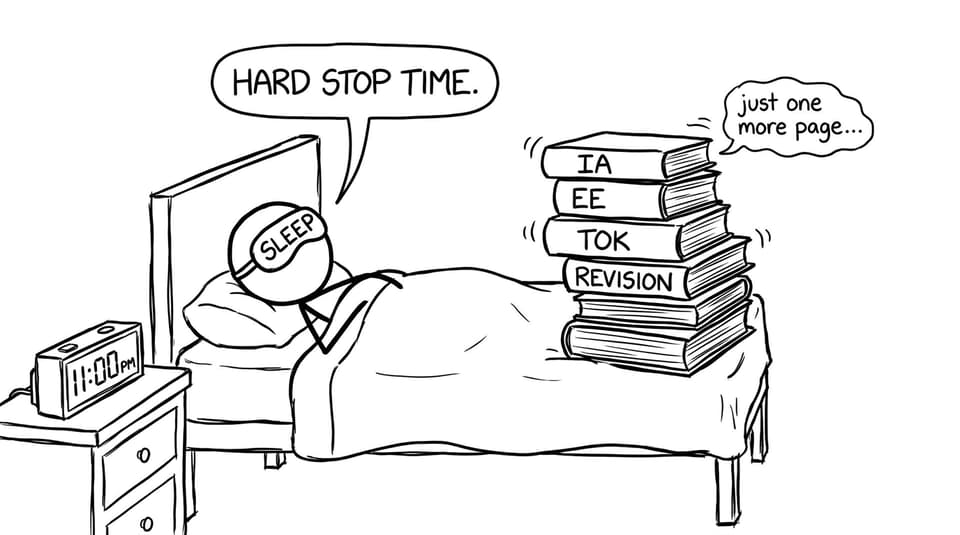
Set a hard stop for heavy IB studying 60-90 minutes before bed.
-
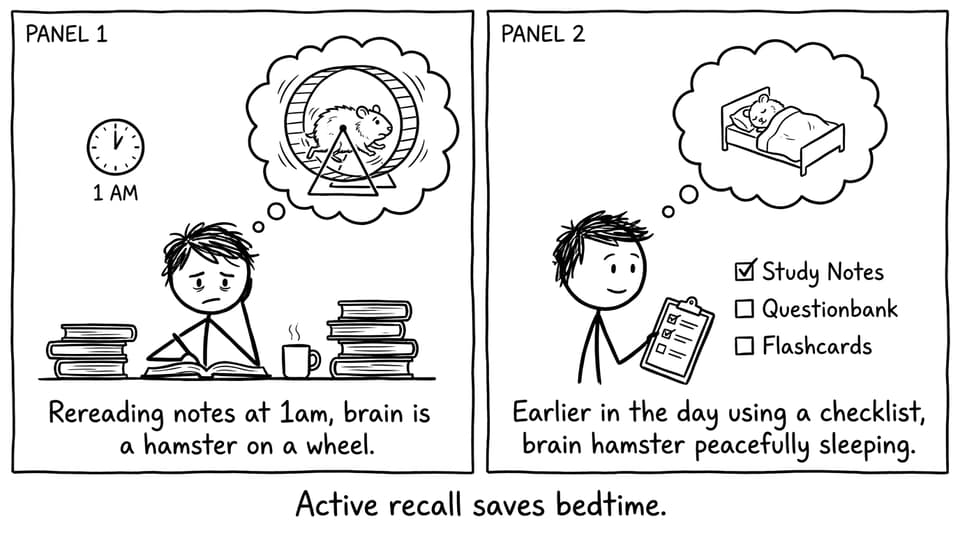
Use light recall at night (Flashcards), not heavy learning.
-
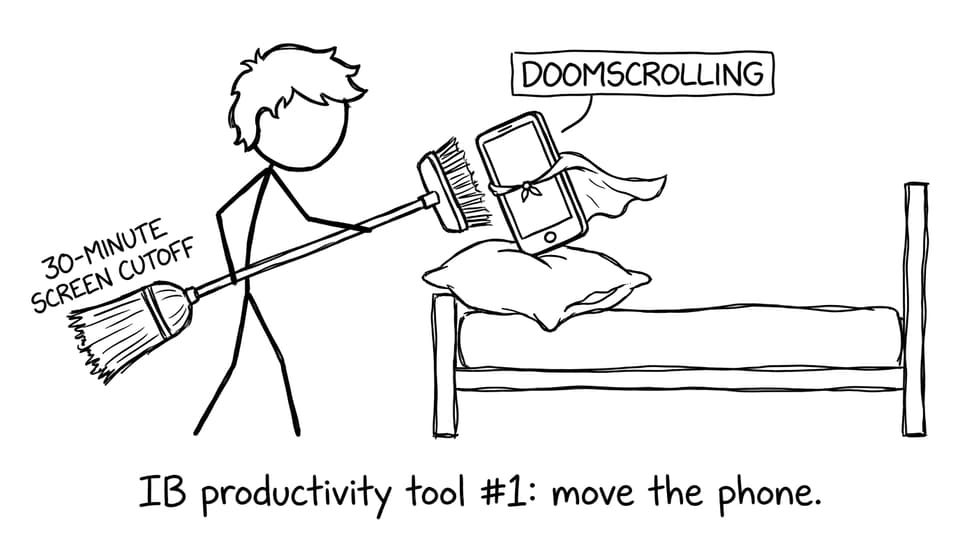
Keep screens out of bed; keep your room cool, dark, and quiet.
-
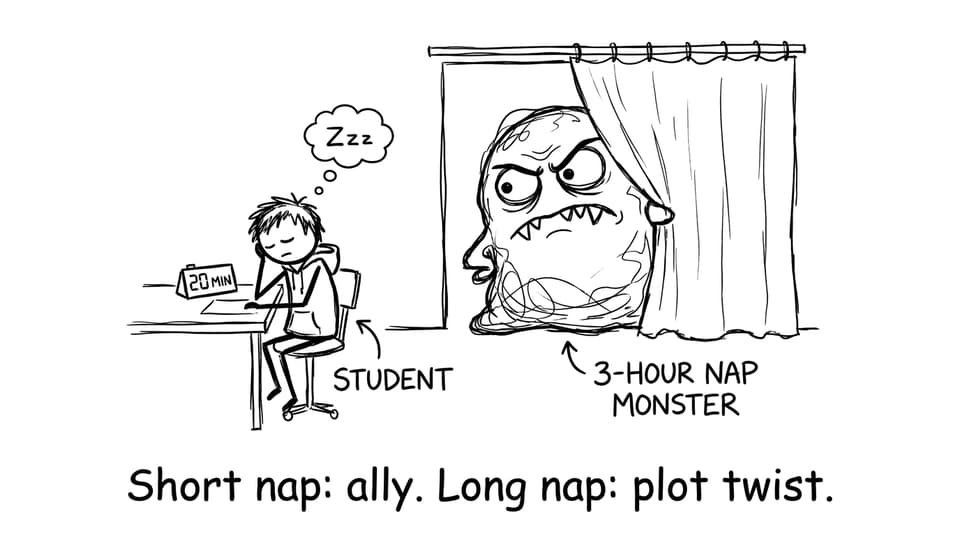
Use short naps (10-20 minutes), not long “accidental” naps.
For deeper context on routine and wellbeing, see Mental Health During the IB Diploma Programme.
Set an IB-friendly sleep schedule you stop renegotiating
The most powerful sleep move in the IB is boring: a consistent sleep schedule.
Pick a wake-up time you can keep for the next two weeks of coursework and revision. Work backwards to set your “lights out” time. That single decision prevents the nightly spiral where IB tasks expand to fill every available minute.
If your schedule is already messy, don’t fix everything at once. Stabilize wake-up time first, then gradually shift bedtime earlier in 15-20 minute steps.
Want a structure that keeps studying earlier in the day? Use The Ultimate Daily IB Study Schedule alongside How to Create a Balanced IB Study Schedule.
Build a wind-down routine that lowers IB stress (not willpower)
Your brain can’t sprint through IB coursework and instantly switch into sleep. Give it a runway.
Try this simple routine:
-
30-60 minutes before bed: dim lights, reduce stimulation, stop “heavy” work.
-
5 minutes: write a short worry list and the first action for tomorrow.
-
10 minutes: light reading, stretching, or slow breathing.
If your mind races, journaling helps you “close tabs” mentally. Use prompts from Can Journaling Help Me Cope With IB Stress? and anxiety-calming strategies from Strategies for Dealing with IB Exam Anxiety.
Plan IB study so sleep stays protected
A quiet truth: most late nights aren’t caused by too little time. They’re caused by low-efficiency study.
Build your IB sessions earlier in the day around a tight loop:
-
Study Notes to rebuild clarity fast
-
Questionbank to turn knowledge into exam performance
-
Flashcards to keep daily recall small and consistent
When you need quick help, use AI Chat for one precise question (then return to practice). When you need feedback, use Grading tools to turn “I think this is okay?” into clear next steps. As exams near, rotate in Mock Exams and Predicted Papers for timing and confidence. For big coursework pressure, the Coursework Library and Tutors reduce uncertainty and wasted hours.
If you want a bigger strategy reset, read 10 Proven Study Techniques for IB Students and How to Study for IB Exams: Step-by-Step Guide.
Use flexibility without “borrowing” from sleep
High-stress weeks happen: IA deadlines, mock season, and the last stretch of IB exam prep. Flexibility matters, but the best move is usually to cut volume, not sleep.
If you’re running on fumes:
-
Drop to “minimum viable progress” (Flashcards + a small Questionbank set).
-
Move hard tasks to earlier blocks.
-
Use a 10-20 minute nap if you must.
For burnout prevention systems, keep Avoid Burnout in Year 2 of IB and How Can I Avoid Burnout During the IB Diploma Programme? bookmarked.
Conclusion: Treat sleep as part of your IB strategy
Managing sleep while keeping up with IB coursework isn’t about becoming a productivity machine. It’s about choosing a few rules you stop arguing with: consistent wake-up time, a hard stop for heavy IB study, and a wind-down that lowers stress.
If you want to study earlier, finish cleaner, and protect sleep without falling behind, build your routine inside RevisionDojo: Study Notes for clarity, Questionbank for accuracy, Flashcards for daily recall, AI Chat for fast unblocking, Grading tools for feedback, plus Predicted Papers and Mock Exams to make exam day feel familiar. Your best IB work happens when your brain is rested enough to do it.