
Predicted grades can feel like a tiny sentence written about your future.
In the IB, they often travel ahead of you into university admissions systems, especially where offers are made before final exam results. That’s why students panic, over-explain, or send late-night messages they regret. But the teachers who set predicted grades usually aren’t looking for drama. They’re looking for evidence, consistency, and a student who can be coached.
Here are 7 polite and strategic tips that actually work in IB predicted grade conversations.
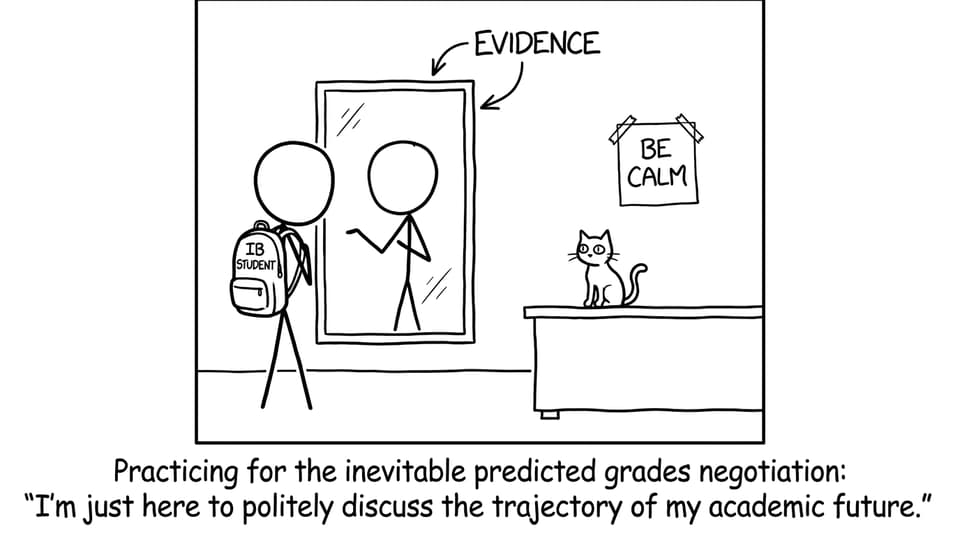
A quick IB checklist before you ask
-
Know your current predicted grade and your target
-
Identify the next assessment that could move it
-
Collect 2-4 pieces of evidence (recent work, results, improvements)
-
Prepare one calm sentence that makes your ask clear
-
Bring a plan for what you’ll do next week, not just what you want today
If you want a grounded reference point for where you sit, run your numbers through the IB Grade Calculator.
7 polite and strategic tips to ask for better predicted grades in IB
Ask early, not urgently
In IB, timing is half the outcome. If you ask the day before predictions are submitted, even a supportive teacher may have no room to adjust. Ask when there’s still time to generate new evidence: a quiz, a timed writing, a reassessment policy, or an upcoming mock.
For more context on how predictions are usually formed, read How to Interpret IB Predicted Grades and Improve Them.
Request feedback first, then ask for a review
The fastest way to make a teacher defensive is to start with “I need a higher prediction.” Start with curiosity: “Could you help me understand what evidence my predicted grade is currently based on?” In the IB, predictions often weigh mock exams, in-class assessments, and coursework progress.
Then you can say: “If I can show improvement on X and Y, would you be open to revisiting it?”
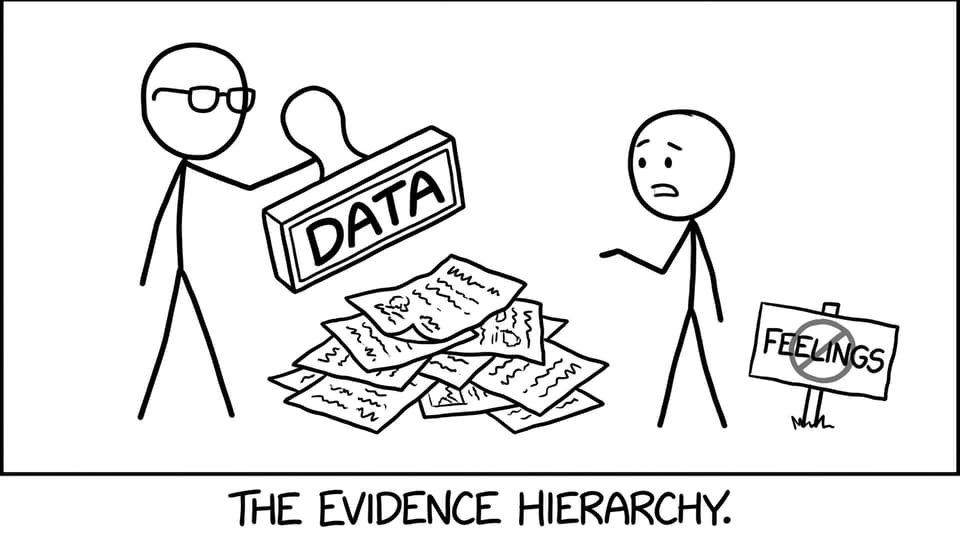
Bring an evidence folder, not a speech
Teachers change predicted grades when the data changes. Bring a small packet: your last two assessments, one improved piece of writing/problem set, and a short list of what you fixed.
RevisionDojo helps you create that evidence trail: use Study Notes to patch gaps quickly, then prove it with the Questionbank.
Make the teacher’s job easy: name the exact gap
“I want a higher predicted grade” is vague. “I’m consistently dropping method marks on Paper 2 explanations” is actionable.
If you need a structured way to diagnose what’s holding your IB score back, the mindset in IB Predicted Grades Don’t Define You (Here’s What Does) is a good reset.
Ask for a conditional pathway
This is one of the most effective strategies in the IB:
-
“If I score X on the next timed task, would you consider updating my predicted grade?”
-
“If I complete two weeks of targeted practice and show improvement, can we review again?”
To train for that “proof,” build one weekly timed session using How to Study for IB Mocks (Without Burning Out) and then drill weak spots.
Stay private, calm, and professional
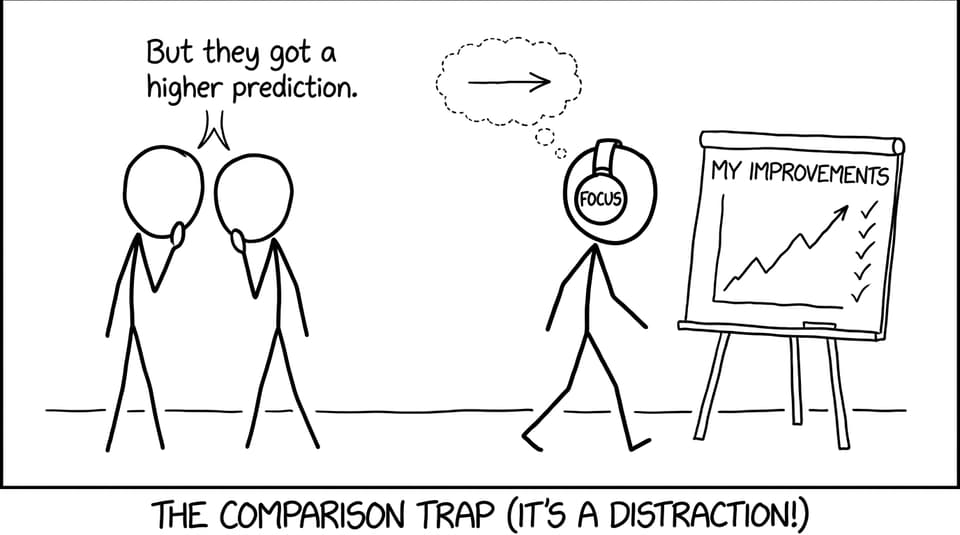
Have the conversation one-to-one. Keep your tone neutral. In IB, teachers are also balancing fairness across a cohort, so public pressure can backfire.
Also avoid comparisons. “My friend got a 6 predicted” is not evidence. Your improvements are.
Accept the outcome, then ask for next steps
Even a “no” can become a roadmap. Thank them, then ask: “What are the next two things I should do to demonstrate a grade higher performance?” In the IB, maturity and follow-through can change how a teacher interprets your trajectory.
To keep momentum, use RevisionDojo’s Flashcards for daily recall, and pressure-test with IB Predicted vs Specimen Papers: What They Mean to understand smart exam-style practice.
Conclusion: make your IB predicted grade request about proof
In the IB, the best way to ask for better predicted grades is to stop trying to win an argument and start building a trail of evidence. Ask early, stay respectful, bring data, and propose a conditional pathway.
If you want to turn effort into visible proof, RevisionDojo is built for that loop: Study Notes for clarity, Flashcards for daily recall, Questionbank for exam-style practice, AI Chat and Grading tools for feedback, plus Predicted Papers and Mock Exams to rehearse under pressure, with a Coursework Library and Tutors when you need deeper support.
Open RevisionDojo, choose one subject, and create one week of evidence your teacher can’t ignore.