



Burnout in IB rarely arrives as a dramatic crash.
It usually shows up like a slow leak: you sit down to study, stare at the same page, and feel your brain quietly refusing to cooperate. The scary part is how normal it can feel in the moment. You tell yourself it’s just “being an IB student.” Then a week passes, your sleep gets worse, and the work feels heavier than it should.
The good news: IB burnout is not inevitable. You can protect your energy without lowering your standards. The trick is to build a system that produces progress and recovery.
What IB burnout actually is (and why it happens)
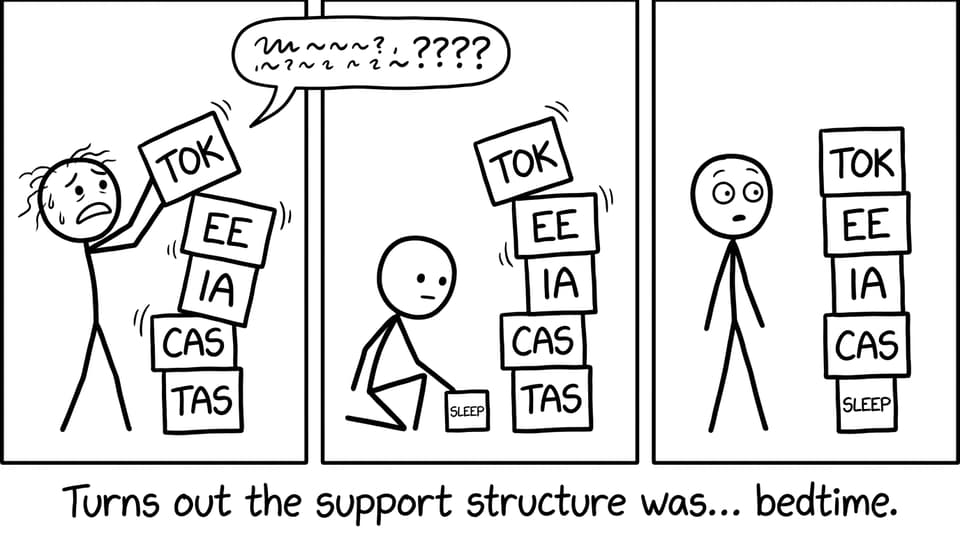
Burnout is what happens when high effort runs for too long without enough recovery, clarity, or control. In IB, that’s common because deadlines stack: IAs, TOK, EE, CAS, plus exams. Year 1 often feels like sprinting while building the track underneath you. If that’s where you are, this piece on feeling overwhelmed may help you name what’s happening: Feeling Overwhelmed in IB Year 1? Here’s Why It’s Normal + How to Cope.
Early warning signs IB students shouldn’t ignore
Most IB students don’t miss the big signs. They miss the small ones they keep normalising.
Watch for patterns like:
-
You’re working more but remembering less
-
Anxiety rises before you start studying
-
Your concentration breaks after a few minutes
-
You feel tired even after a “full” night of sleep
-
You get unusually irritable or emotionally flat
If this sounds familiar, you’ll relate to the warning-sign breakdown in Avoid Burnout in Year 2 of IB: 8 Proven Strategies and the practical reality check in What Happens When You Burn Out in the IB? Real Advice.
A quick anti-burnout checklist for IB exam prep
When IB revision gets intense, use this as your reset:
-
Keep sleep consistent (a fixed wake time beats “catch-up” sleep)
-
Study in short blocks, not long marathons
-
Rotate tasks: learn a bit, practise a bit, review mistakes
-
Do daily active recall (tiny, reliable, repeatable)
-
Use timed practice early (small doses build stamina)
-
Get help faster than you think you “deserve” it
Time management that prevents overload (without perfection)
A schedule isn’t there to control you. In IB, it’s there to reduce decisions.
Two high-leverage moves:
Use a realistic daily rhythm
Borrow structure instead of reinventing it every night. Start with The Ultimate Daily IB Study Schedule or build your own from How to Create a Balanced IB Study Schedule.
Work in timed blocks (Pomodoro, but kinder)
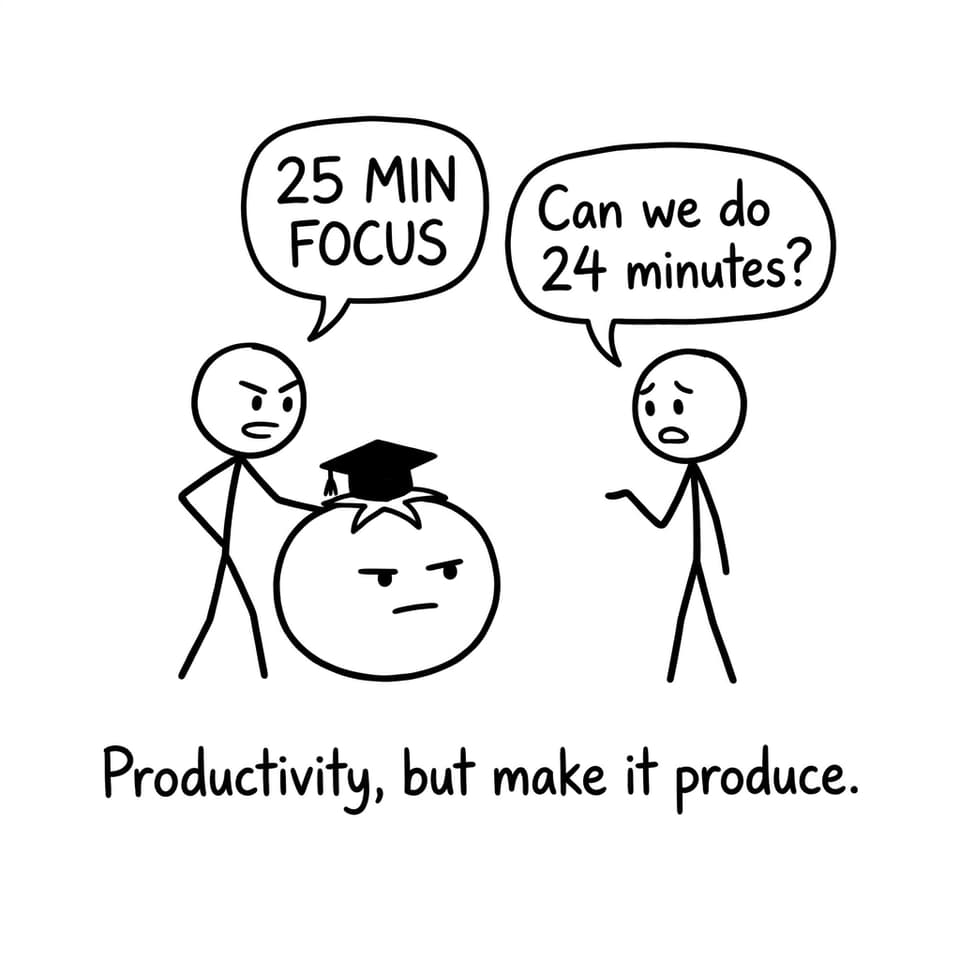
Try 25 minutes focused, 5 minutes off. After four rounds, take a longer break. It sounds almost silly until you realise it prevents the “two-hour scroll break” that happens after an unstructured hour. For more practical tactics, see IB Revision: Quick Tips for Efficient Studying.
Study smarter in IB with RevisionDojo (less effort, more signal)
Burnout often comes from wasted study: rereading, rewriting notes, and doing “a bit of everything” with no feedback.
RevisionDojo is built to make IB study feel more measurable:
-
Use Study Notes to get clarity fast, without drowning in textbooks
-
Use Flashcards for daily active recall and spaced repetition
-
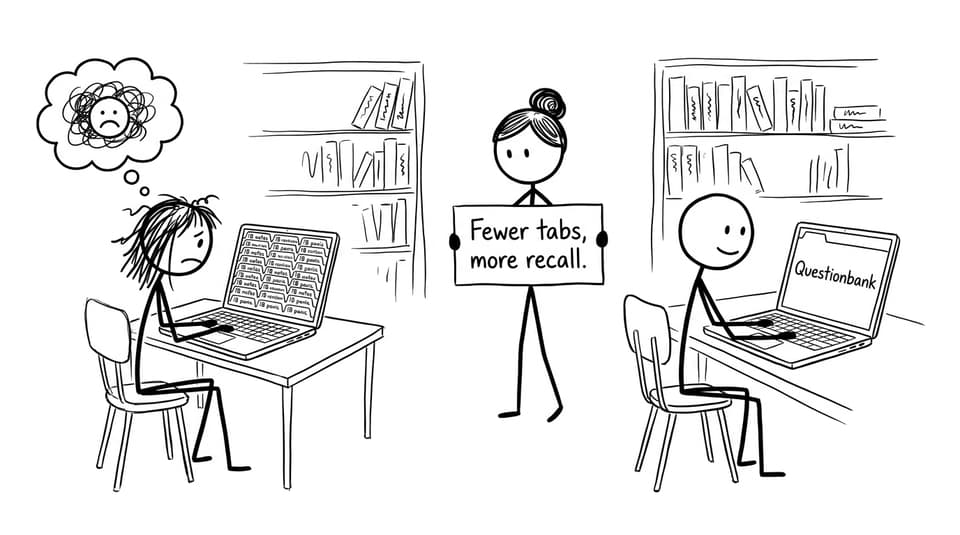
Use the Questionbank to practise by topic and question type (so effort becomes marks)
-
Use AI Chat when you’re stuck, so you don’t lose an hour spiralling
-
Use Grading tools to see what earns marks in written responses
-
Use Mock Exams and Predicted Papers to build stamina under time
-
Use the Coursework Library to reduce uncertainty around IAs/EE/TOK expectations
-
Use Tutors when you need a human to diagnose patterns and plan strategy
If you want a clear foundation for efficient methods, this guide is worth saving: 10 Proven Study Techniques for IB Students. For a deeper dive into retention, see Spaced Repetition for IB.
Protect your body like it’s part of the syllabus
In IB, sleep, food, and movement aren’t “extras.” They are performance multipliers.
If you want one rule: protect the start of your day and the end of your day. A consistent wake time helps your mood and focus. A short wind-down routine (screens off 30 minutes before bed, same sequence each night) makes sleep easier to actually get.
For more on sustainable routines, read What Are Healthy Study Habits for Balancing IB and Life?.
A calmer ending (and a practical next step)
Avoiding burnout in IB is less about motivation and more about design. Design a week where your work is specific, your breaks are real, and your study produces feedback. Keep the unit of effort small enough that you can repeat it on a bad day.
If you want a single platform that supports that calm loop, use RevisionDojo to connect Study Notes, Flashcards, the Questionbank, AI Chat, Grading tools, Predicted Papers, Mock Exams, the Coursework Library, and Tutors into one sustainable system. Your goal isn’t to suffer through IB. It’s to finish it with energy left and results you can feel proud of.