

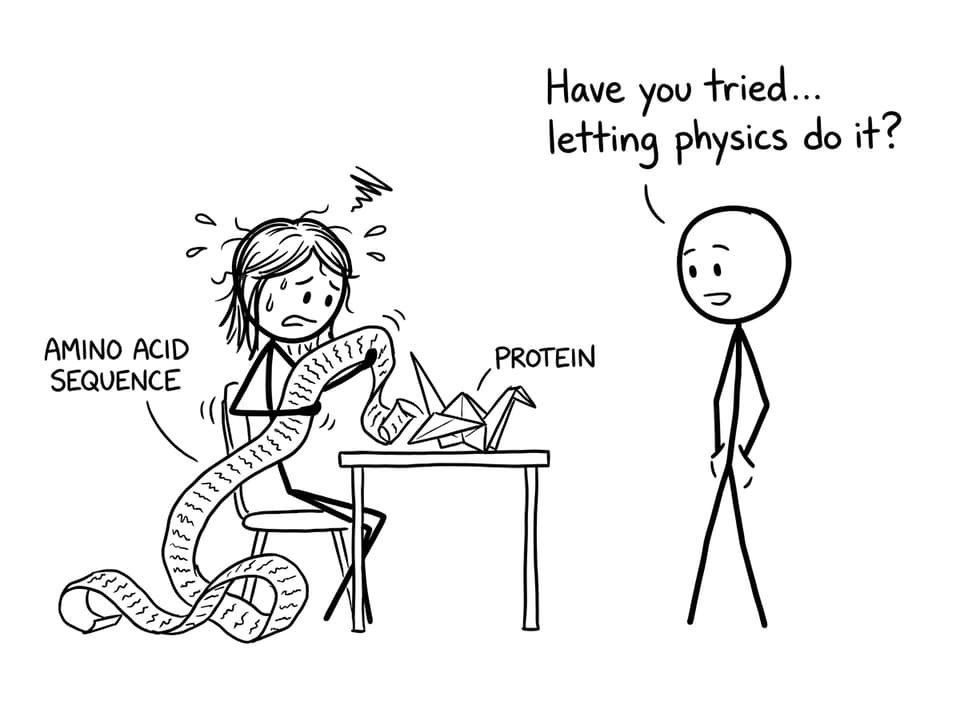
If you have ever stared at an IB Biology diagram of an enzyme and thought, How does a simple chain turn into that? you are asking the right question. The quiet miracle of biology is this: a protein starts as a one-dimensional amino acid sequence, yet it reliably becomes a three-dimensional machine. These Revision Tips will help you remember not just the definitions, but the logic that turns “primary structure” into real exam marks.
The quick checklist IB examiners reward (Revision Tips)
-
Primary structure = the order of amino acids (the sequence).
-
R groups (side chains) have different properties: hydrophobic, hydrophilic, acidic, basic, sulfur-containing.
-
Secondary structure forms via hydrogen bonds in the backbone: alpha helices and beta sheets.
-
Tertiary structure forms via R-group interactions: hydrophobic clustering, ionic bonds, hydrogen bonds, van der Waals forces, disulfide bridges.
-
Quaternary structure happens when multiple polypeptides assemble (example: hemoglobin).
-
A single substitution can alter folding and function (classic: sickle cell hemoglobin).
Use these Revision Tips as a mental scaffold, then add detail only when a question demands it.
Why the amino acid sequence holds the “instructions”
A protein is built at the ribosome as a linear chain. But each amino acid brings a side chain with a personality. Some side chains avoid water; some seek it. Some carry positive or negative charge. Some can form covalent disulfide links.
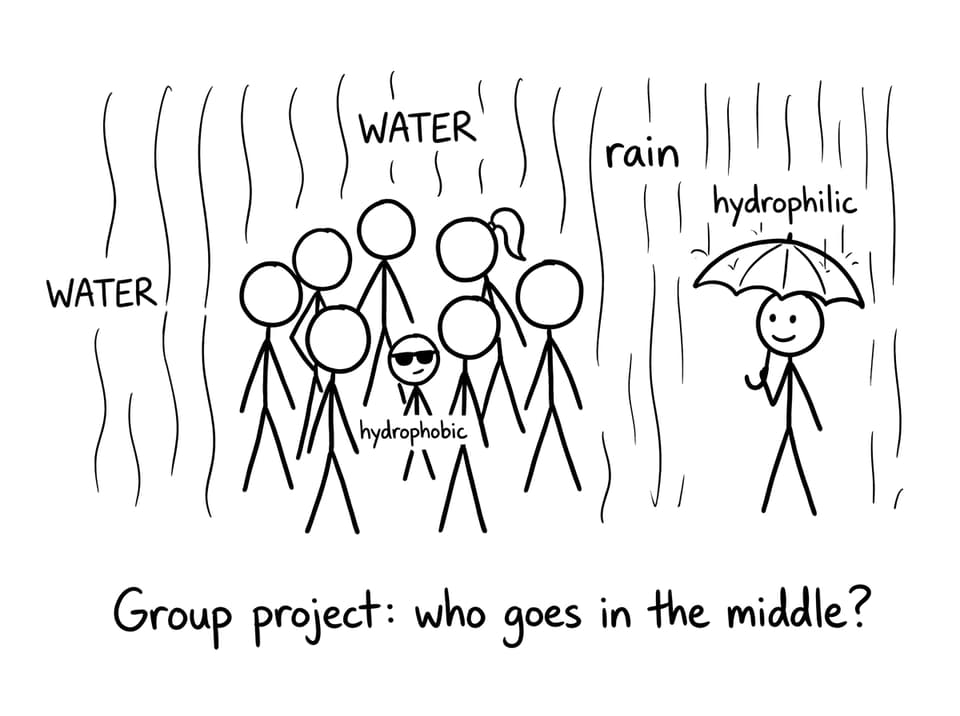
That means the amino acid sequence is not just a list. It is a timed sequence of chemical opportunities. As the chain exists in an aqueous environment, the lowest-energy arrangement tends to win: hydrophobic parts tuck inward, hydrophilic parts face out, and compatible charges attract.
If you want the clean IB definition of the building blocks, pair these Revision Tips with RevisionDojo’s syllabus-aligned notes on amino acids: B1.2.1 Generalized structure of an amino acid.
From primary to secondary structure: backbone hydrogen bonds
Secondary structure is often where students get too poetic. Keep it mechanical.
Alpha helices and beta-pleated sheets form because the polypeptide backbone has groups that can hydrogen-bond with each other. The sequence matters because certain stretches make these shapes more stable, while other amino acids can disrupt regular bonding patterns.
For targeted practice, you can drill questions that force you to explain this clearly using RevisionDojo’s B1.2 Proteins Questionbank and then fix your wording with the markscheme.
Tertiary structure: the R groups take over (Revision Tips)
Tertiary structure is where most “sequence determines structure” marks live, because the examiner can ask how and you can name forces.
Key interactions to mention:
-
Hydrophobic interactions: non-polar side chains cluster inside, away from water.
-
Hydrogen bonds: between polar side chains (and sometimes with water).
-
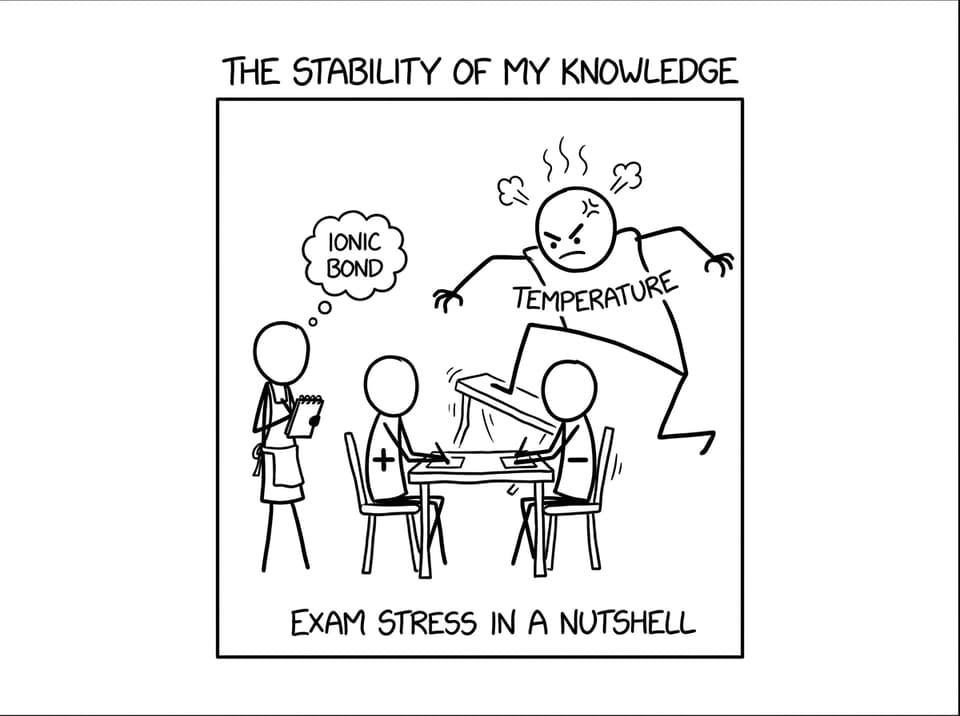
Ionic bonds: between acidic (-) and basic (+) side chains.
-
Van der Waals forces: weak attractions that add up in a packed core.
-
Disulfide bridges: covalent links between cysteine side chains, strengthening the fold.
These Revision Tips become easier when you anchor them to a specific syllabus page: Effect of polar and non-polar amino acids on tertiary structure.
Quaternary structure and why small changes matter
Some proteins only “finish the job” when multiple polypeptide chains assemble. That is quaternary structure. Hemoglobin is the classic example: four subunits, arranged so their shapes and interactions make oxygen transport possible.
Now the exam-friendly punchline: change the sequence, change the interactions. Even a single amino acid replacement can change charge or hydrophobicity, which can shift folding and function. In sickle cell disease, one substitution in hemoglobin changes how molecules interact, which alters red blood cell behavior.
If you are revising enzymes, connect folding to function by reading What Are Enzymes and How Do They Work? and the syllabus topic hub C1.1 Enzymes and metabolism.
How to turn this topic into marks (Revision Tips you can actually use)
-
Practice the one sentence examiners love: “The primary structure determines folding because R-group interactions form secondary and tertiary structure.”
-
When asked “explain,” name at least three forces (hydrophobic, ionic, disulfide) and link them to water/charge.
-
Use active recall: make quick cards using B1.2.1 Amino acid flashcards.
-
Build confidence fast: use IB Biology resources to combine Study Notes, Flashcards, and the Questionbank into one loop.
Closing: make the sequence-to-structure story work for you
The best part about this topic is that it is not just memorization. It is a story of chemistry quietly choosing the most stable shape. When you learn to tell that story with the right keywords and forces, your answers start sounding like the markscheme.
If you want to revise this efficiently, RevisionDojo brings the whole loop together: Study Notes to learn, Flashcards for active recall, Questionbank for exam practice, and tools like AI Chat, Grading tools, Mock Exams, Predicted Papers, a Coursework Library, and Tutors to close your gaps fast. Use these Revision Tips now, and finish your revision with a structure as strong as a well-folded protein.