



The IB trap nobody warns you about
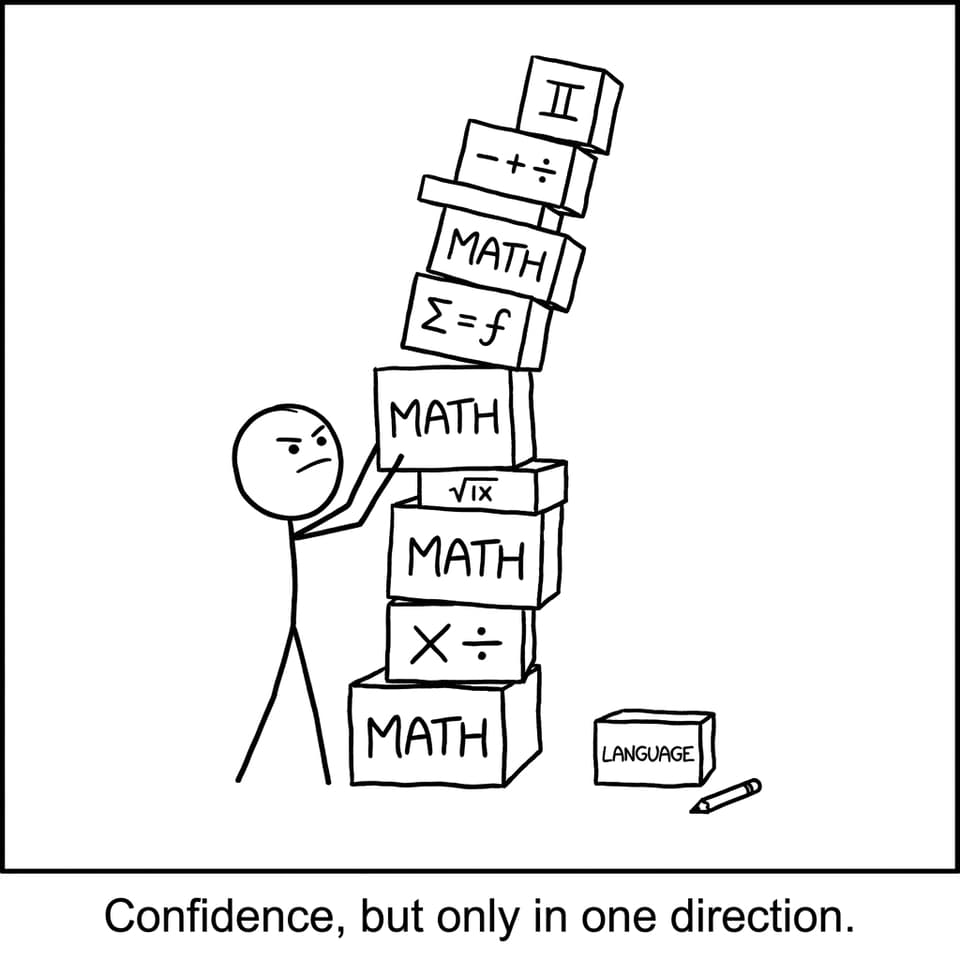
The weird thing about IB revision is that confidence can be wildly untrustworthy.
You finish a tough Maths set and feel heroic. You do a few Science calculations and your brain goes quiet in that satisfying, solved-it way. Then you open a Group 1 paper and suddenly you are negotiating with the universe for “just one more reading period.”
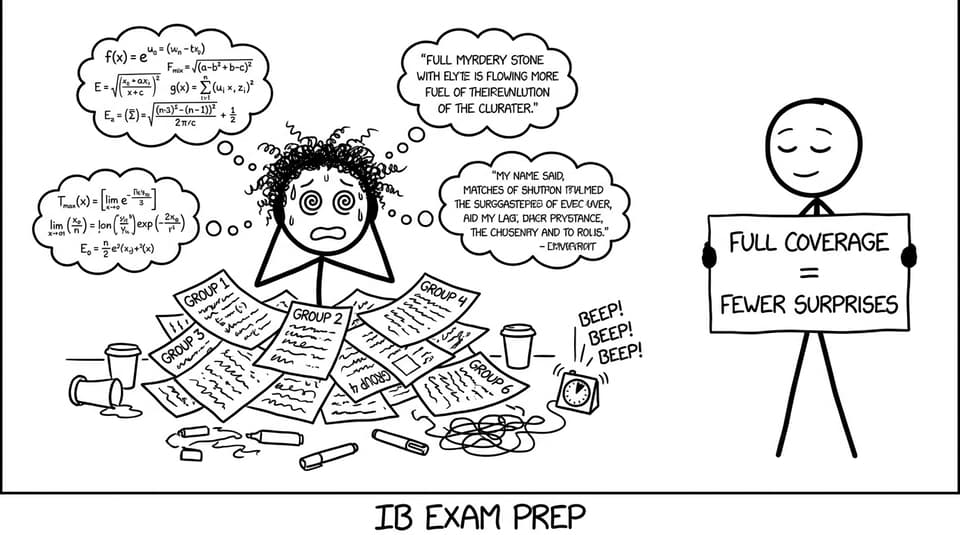
That swing isn’t about intelligence. It’s about coverage. The IB Diploma is built to be broad on purpose, and your mock exams should match that breadth. When your mocks only reflect the “exammy” subjects, you don’t get readiness, you get a lopsided illusion.
Quick checklist: what “full coverage” mock exams look like
Use this list to sanity-check your IB mock exam plan:
-
You have a timed mock plan for all six subjects, not just the ones you like.
-
You practise the right paper styles (essay vs data response vs problem-solving).
-
You mark and diagnose mistakes, not just score them.
-
You repeat the cycle weekly, with small improvements each round.
-
You have tools for every group: questions, notes, flashcards, grading, and full-paper simulations.
RevisionDojo makes this practical because the platform isn’t only one resource: it’s a system: Questionbank, Study Notes, Flashcards, AI Chat, Grading tools, Predicted Papers, Mock Exams, a Coursework Library, and Tutors, all in one place.
Why full subject coverage matters in IB mock exams
In IB, every subject group rewards a different kind of thinking.
If you only rehearse the subjects that feel straightforward to test, you train your brain to sprint in one direction. Exam season doesn’t reward that. It rewards switching gears calmly: analysis to evaluation, calculation to explanation, interpretation to structure.
Full subject coverage in IB mock exams does three things:
-
It exposes format surprises early (when they are cheap to fix).
-
It spreads your effort across the diploma so no subject quietly collapses.
-
It builds stamina for the real sequence of papers, not a fantasy week where you only do your favourites.
A good starting point is to run your mocks using a clear schedule, then tighten weak spots. If you haven’t mapped this out yet, use IB Mock Exam Schedule: How Often Should You Practice? as your backbone.
Group-by-group: what to practise (Groups 1-6)
Group 1 (Studies in Language and Literature)
Group 1 mocks are where many IB students discover timing pain. You’re not only writing; you’re interpreting under pressure and staying organized.
Use at least one timed writing session per week and get feedback fast. RevisionDojo’s IB English A Lang & Lit Resources pairs practice with marking support, and Understanding the IB English A Paper 2 Criteria helps you write in the language examiners reward.
Group 2 (Language Acquisition)
Mocks here are about consistency: comprehension under time limits, plus writing that hits purpose, audience, and register. Even short mock sections matter because they train your brain to avoid “translation thinking” and choose simpler, cleaner expression.
If you take English B, practise with full-paper simulations using English B Papers.
Group 3 (Individuals and Societies)
Group 3 mock exams reward structured argument: clear claims, evidence, and evaluation.
The easiest mistake is “knowing the content” but losing marks on command terms and organization. Use Study Notes to refresh case studies quickly, then drill with the Questionbank so you learn how the IB asks for that knowledge.
Group 4 (Sciences)
Science mocks are where process matters: method marks, units, significant figures, and explanations that match markschemes.
Run a mock, then immediately build targeted sets with the Questionbank. If you’re revising content gaps between attempts, use Digital IB Study Notes to close them fast.
Group 5 (Mathematics)
Maths is the most tempting place to over-revise because progress feels measurable. But IB Maths mocks should be mixed: easy questions for speed, hard ones for resilience, and full sections for pacing.
If you want the most realistic rehearsal, read How to Use RevisionDojo’s Mock Exam Builder to Simulate IB Conditions.
Group 6 (The Arts) or electives
Group 6 often has a different assessment logic: reflective commentary, creative intention, and coursework-style decision-making.
This is exactly why full coverage IB mock exams matter: if you ignore Group 6 until late, you don’t just miss practice, you miss the way marks are awarded. RevisionDojo’s Grading tools and Tutors are especially useful here because feedback is nuanced.
The 4-step mock exam loop that actually improves scores
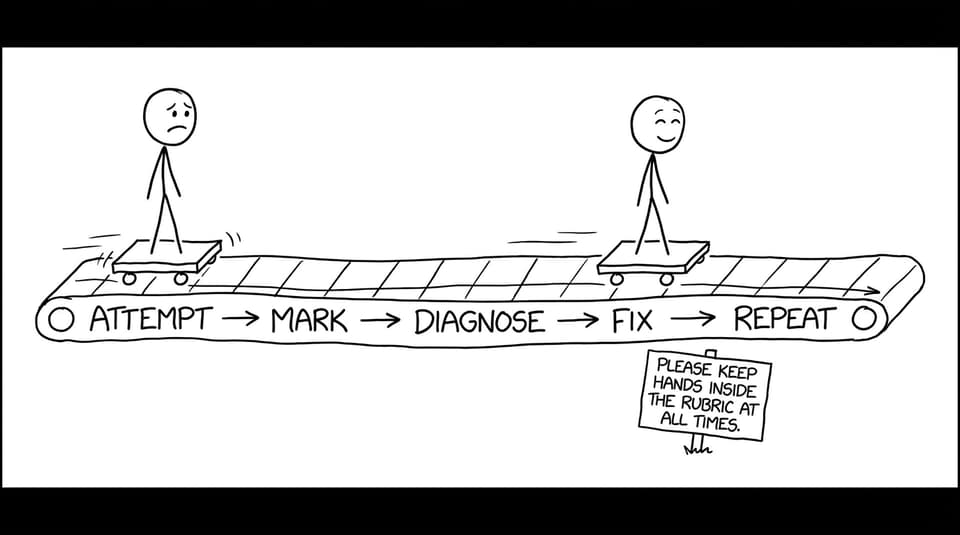
A strong IB mock exam routine is boring in the best way:
-
Simulate: sit a timed section like it counts.
-
Grade: use markscheme logic (RevisionDojo’s AI Chat + Grading tools speed this up).
-
Diagnose: name the mistake type (content gap, misread command term, weak structure, pacing).
-
Repair: do a focused drill with Questionbank + Flashcards, then re-attempt.
This is also where Predicted Papers help: they’re a clean way to rehearse timing and topic distribution without guesswork. Start here: IB Predicted Papers, and if you’re unsure how to use them properly, read IB Predicted vs Specimen Papers: What They Mean.
A calmer way to prepare for the IB
The most effective IB students don’t feel confident because they’re perfect. They feel confident because they’ve removed surprises.
Full subject coverage in IB mock exams is how you remove surprises across Groups 1-6. And when you’re ready to make that coverage realistic, repeatable, and faster to improve from, RevisionDojo gives you the whole toolkit: Mock Exams, Predicted Papers, Questionbank, Study Notes, Flashcards, AI Chat, Grading tools, Coursework Library, and Tutors.
Build one balanced mock week today, then repeat it with slightly better choices next week. That’s how the diploma becomes manageable.