
The quiet moment after you click “submit”
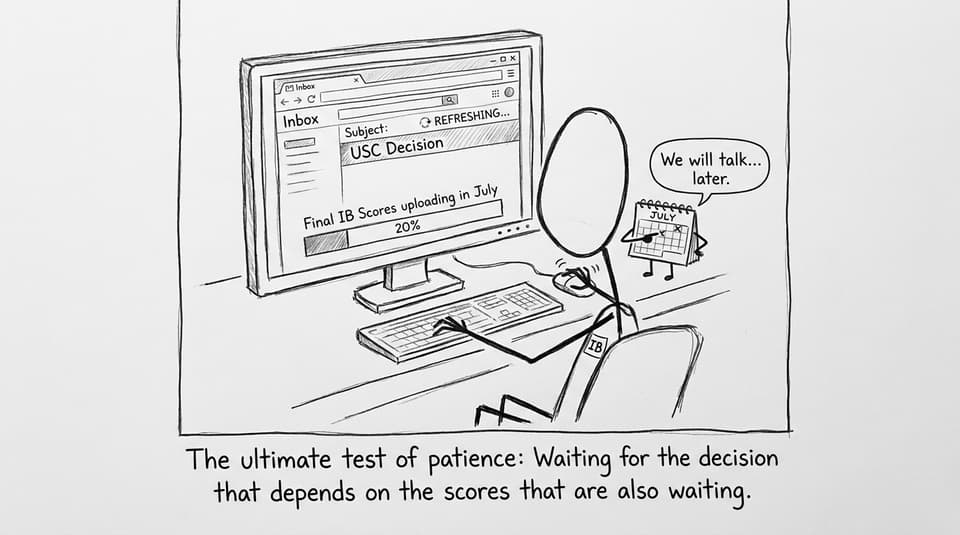
There’s a particular kind of silence that lands after you hit submit on a USC application. It’s not relief. It’s suspense. You’ve done the essays, begged for recommendations, and tried to make your activities sound like a life instead of a list.
Then your IB exams arrive with their own gravity. And the question sneaks in at 1:17 a.m.: Does USC care about my final IB exam scores?
Yes, USC cares about IB final results, but not in the way most students fear. USC is holistic, decisions often come before finals, and yet your final IB scores can still matter for confirmation, scholarships, and college credit. The trick is understanding when they matter, and how to prepare without spiraling.
USC admissions in one sentence: holistic, then verified
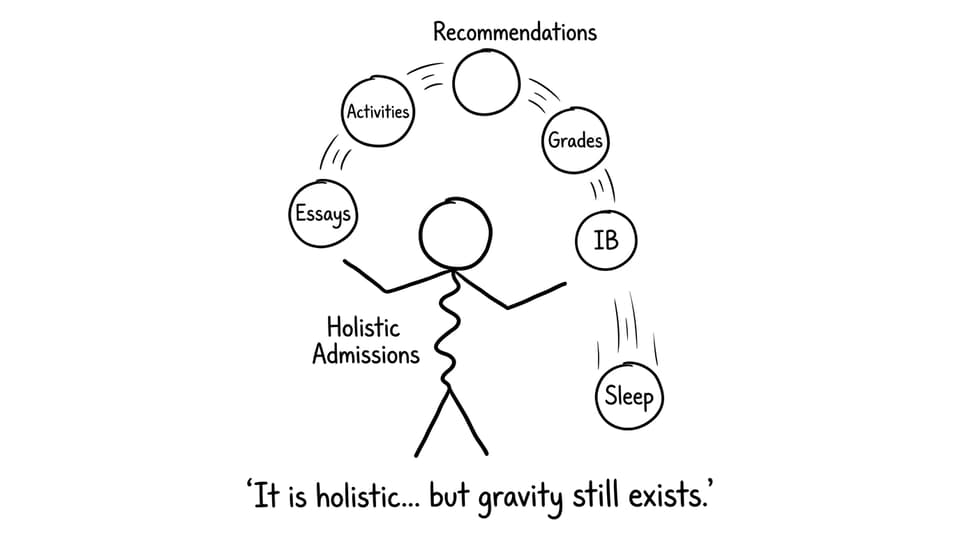
USC uses a holistic admissions process. That means your application is evaluated as a whole: course rigor, grades, essays, activities, recommendations, and context.
Your IB program fits into that picture because it signals rigor and academic maturity, especially if you’re taking the full Diploma Programme or multiple HL subjects.
Here’s the practical summary IB students preparing for exams usually need:
Quick checklist: where IB scores show up for USC
-
During review: USC typically uses transcripts and predicted IB scores (plus school reports) because final scores are released later.
-
After acceptance: USC may review your final IB results for confirmation if there’s a major drop.
-
For merit aid/honors: final IB scores can matter more than students expect.
-
For placement/credit: final IB HL exam scores are directly relevant.
If you want a calm system for exam prep while all this plays out, the easiest anchor is the RevisionDojo for IB hub, where Study Notes, Questionbank practice, Flashcards, AI Chat, Grading tools, Predicted Papers, Mock Exams, the Coursework Library, and Tutors sit in one loop.
Does USC care about your final IB exam scores?
USC does care about your final IB exam scores, but usually as a supporting data point rather than the main driver of admission.
Most USC decisions are made before May exam results are released. So in many cases, your offer is decided using what USC can see during the application cycle: your academic record, course rigor, and predicted outcomes.
Final IB scores matter most in three scenarios:
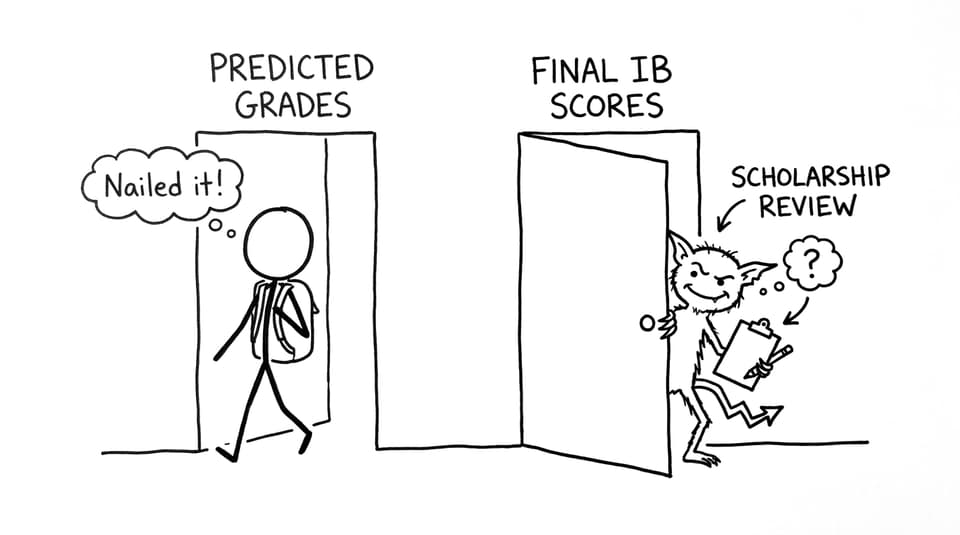
When your final IB scores are far below predicted
A small drop is common. Burnout, exam nerves, a brutal Paper 2, it happens.
But if your final IB results are significantly lower than predicted, USC may ask questions or reconsider parts of your offer (especially if the drop signals a real academic collapse rather than normal variance). Rescinds are not the default outcome, but big swings can create risk.
When scholarships or honors programs are in play
Merit awards and competitive programs tend to care about continued performance. A strong final IB score can reinforce your academic narrative. A major drop can complicate it.
When you want college credit
This is the most concrete part: USC can award credit for high IB Higher Level exam scores.
What is considered a “strong” IB score for USC?
USC does not publish an official minimum IB score for admission. In practice, competitive applicants often present very strong academics.
Common patterns among strong IB applicants include:
-
Total diploma scores often around the upper 30s (with many students aiming higher)
-
Several HL scores at 5, 6, or 7
-
Consistency across subjects rather than one spike and several weak areas
The deeper truth: USC is reading your IB performance as evidence of readiness. Rigor plus follow-through matters.
IB college credit at USC: what actually counts
For many students, the best reason to care about final IB exam scores isn’t admissions drama. It’s what happens after you arrive.
USC generally awards credit for IB HL exams with scores of 5, 6, or 7 (policies can vary by department, but this is the common baseline students plan around).
Key points IB students preparing for exams should remember:
-
HL matters most for USC credit consideration
-
SL exams typically do not earn credit
-
Credit is often awarded as elective units and may not always replace a specific major requirement
That means your final IB scores can translate into flexibility: earlier access to advanced courses, space for a minor, or just fewer units under pressure.
Final IB vs predicted IB: what matters more (and when)
Predicted scores are the currency of the application season. Final scores are the receipt.
USC usually relies on predicted IB performance for initial decisions because that’s what exists in time. But your final IB results still serve three purposes:
-
They confirm academic momentum
-
They protect scholarships and placements
-
They unlock credit
If you’re in the last stretch and you feel the panic rising, it helps to shift your mindset: you’re not studying to “prove” your worth to USC. You’re studying to build options for your future self.
For practical structure, borrow one of these RevisionDojo guides:
How to report final IB scores to USC
Final IB results are released in early July for May sessions. USC typically requires official reporting through the IB organization.
Practical steps:
-
Ask your school’s IB coordinator to send results via the IBO system
-
USC’s IB code is 0033
-
Confirm USC also receives your final official school transcript if requested
This is boring admin work, but it’s the kind that prevents unnecessary stress later.
A simple IB prep plan that protects your USC goals
If you’re reading this, you probably don’t need more motivation. You need a cleaner loop.
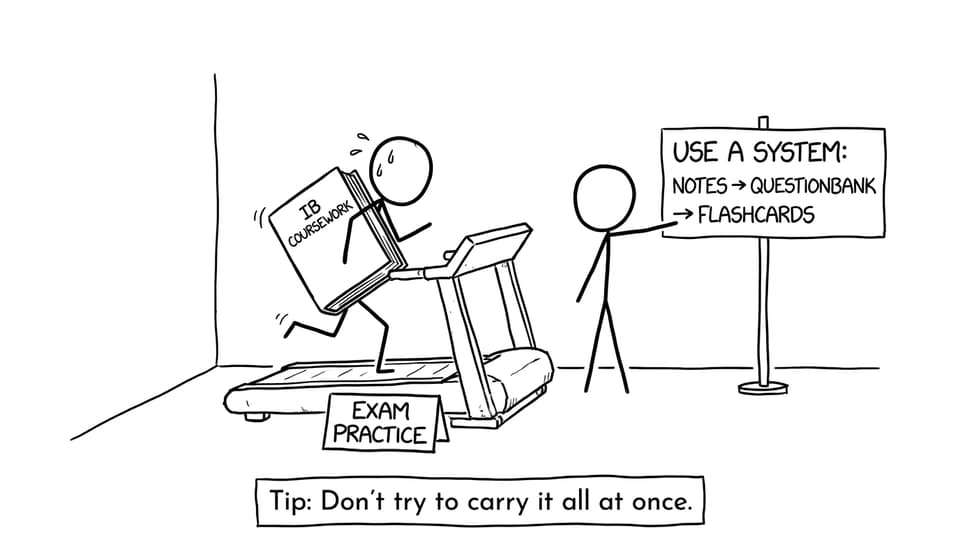
A realistic IB prep loop looks like this:
-
Study Notes to patch understanding fast
-
Questionbank sets to convert understanding into marks
-
Flashcards to keep recall alive daily
-
Mock Exams plus Predicted Papers to train timing and decision-making
-
AI Chat for targeted explanations (not endless re-teaching)
-
Grading tools to tighten written responses and coursework
-
The Coursework Library to see what “good” actually looks like
-
Tutors when you need a human to diagnose quickly
You can build that workflow inside RevisionDojo using:
The bottom line: USC cares, but you control the leverage
USC cares about IB final exam scores, but usually as confirmation, scholarship context, and credit eligibility rather than the main admissions trigger. Predicted IB grades often do the early work. Final IB results tend to do the late work: validating your trajectory and unlocking benefits after acceptance.
If you want the calmest way to prepare, build a system that turns anxiety into evidence: Study Notes for clarity, Questionbank for marks, Flashcards for daily recall, AI Chat and Grading tools for feedback, then Mock Exams and Predicted Papers for timing. That’s exactly what RevisionDojo is built to do, so when July arrives, your final IB scores feel less like a verdict and more like a result you trained for.