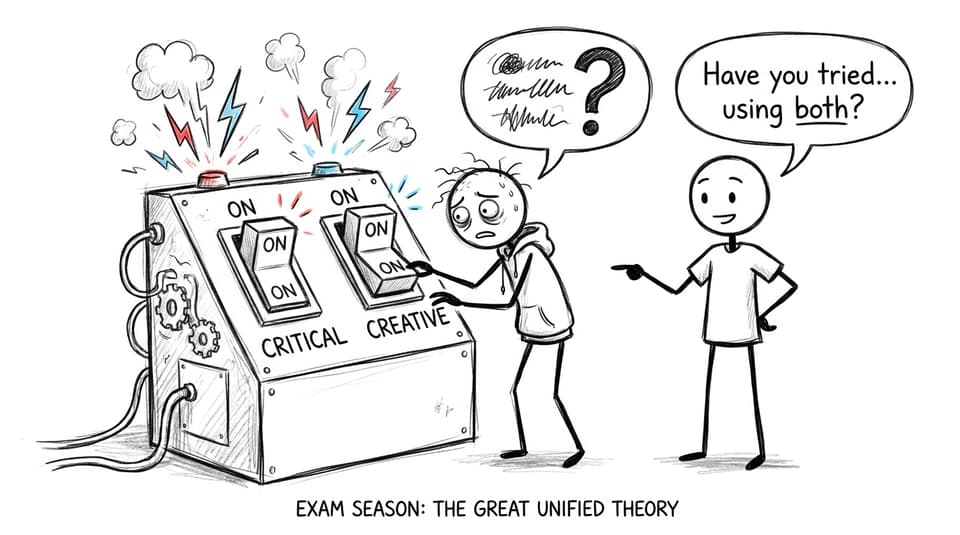
If your IB revision sometimes feels like a choice between being “logical” or “original,” you are not alone. Many students fall into one lane: either you become a markscheme detective, or you become an ideas machine. The catch is that top IB performance quietly depends on both at once. The strongest answers analyze with discipline, then create something new: a sharper link, a cleaner model, a bolder counterclaim, a better example.
Designing lessons that integrate critical and creative thinking matters to you as an IB student because your classroom habits become your exam habits. If lessons train you to only recall, you will freeze when a question asks you to evaluate. If lessons train you to only brainstorm, you will drift when an answer needs evidence.
A quick lesson-design checklist (steal this for revision)
Use this mini checklist to spot whether a lesson (or your self-study session) truly fits IB demands:
-
Start with one concept-driven question (not just a topic)
-
Do one critical thinking task (evaluate, compare, justify)
-
Do one creative thinking task (reframe, design, propose)
-
Add a short reflection loop: “What changed in my thinking?”
-
End with exam-shaped output: a paragraph, a diagram, a short response
When you build your study sessions around this, tools like RevisionDojo’s Questionbank and Study Notes stop being “extra resources” and start becoming a system.
Why critical and creative thinking are inseparable in IB
In IB, critical thinking is the filter. It asks: Is this claim valid? Is this evidence relevant? What are the limitations? Creative thinking is the generator. It asks: What else could explain this? What’s a better example? How could I model this differently?
The exam rewards students who can move between those modes smoothly. That is why IB frameworks like ATL thinking skills keep them side by side, not in separate boxes. If you want a broader picture of how these skills fit together, see Developing IB Core Skills Through RevisionDojo’s Integrated Approach.
How to design IB lessons that integrate critical and creative thinking
Start with a “big question” that forces both modes
A good IB lesson question creates productive tension. Not “What is photosynthesis?” but:
-
“When does a model explain more than it distorts?”
-
“To what extent does measurement change what we claim to know?”
Those questions naturally pull you into TOK-style evaluation while still inviting original examples. If TOK is where you feel that tension most, Mastering Critical Thinking in TOK Assessments is a helpful reference.
Use a dual-task sequence: analyze, then invent
Try a reliable pattern that mirrors IB mark-awarding logic:
-
Critical task: judge the quality of evidence, compare two viewpoints, test assumptions
-
Creative task: propose an alternative method, redesign the experiment, rewrite the argument for a different audience
This is also how you improve coursework. For example, strong evaluation in the Math IA is critical thinking with a creative edge. See How to Demonstrate Critical Thinking in the IB Math IA and The Role of Creativity in Scoring Well on Your IA.
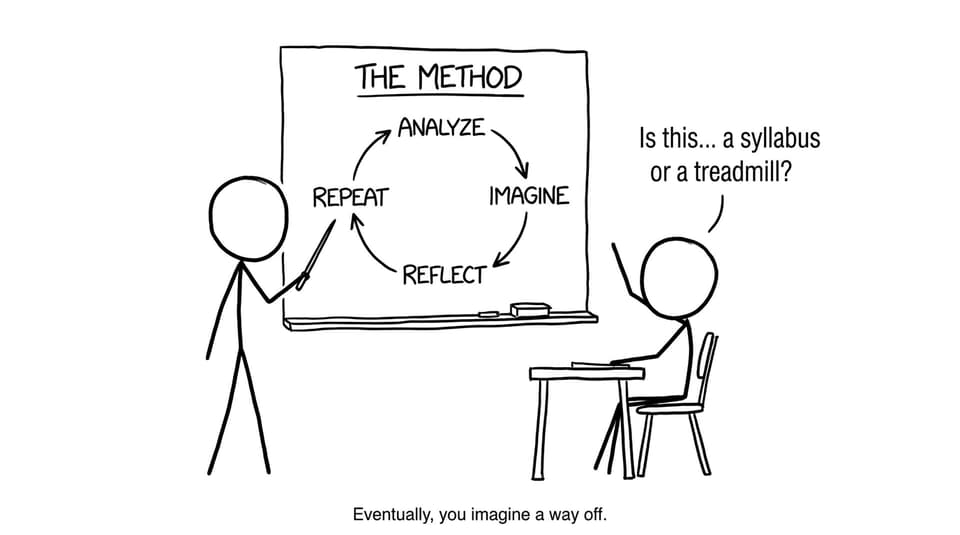
Add a reflection cycle that is short, specific, and ruthless
Reflection is where IB thinking becomes visible. After the dual task, answer:
-
What did I assume at the start?
-
What evidence changed my mind (or didn’t)?
-
What is one stronger alternative I could defend?
This kind of reflection is also how you avoid “busy revision.” If you want a clean routine for the final stretch, IB: The Last 2 Weeks Before Exams (What Actually Matters) aligns well with this loop.
Make it exam-real: turn lesson thinking into marks
A lesson can feel inspiring and still fail IB exam intent if it never produces exam-shaped writing. The bridge is simple: create small outputs under light time pressure.
-
One claim + one counterclaim + one example
-
One annotated diagram
-
One short justification using a command term (evaluate, compare, discuss)
Then grade it. RevisionDojo’s Grading tools and AI Chat can help you tighten logic, fix unclear phrasing, and practice explaining your reasoning without padding. If your whole study method feels scattered, You’re Not Lazy, Your IB Study Method Is Broken is a strong reset.
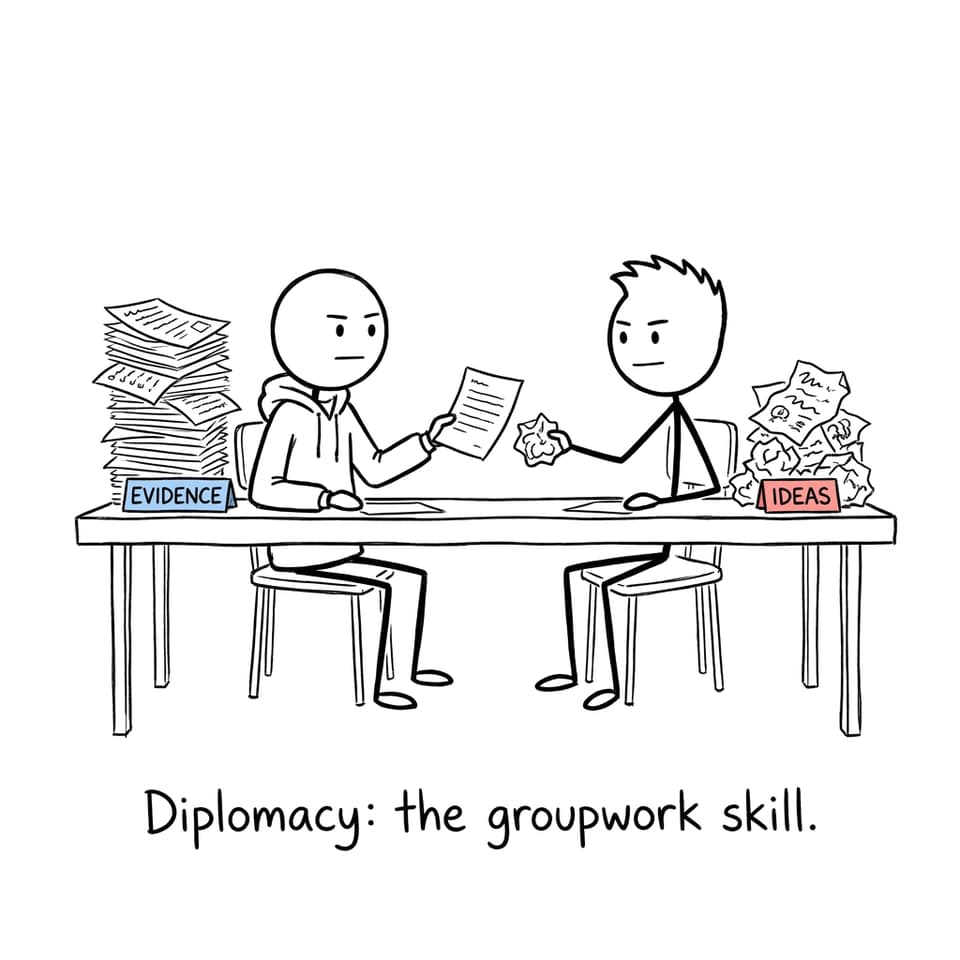
Conclusion: the calm advantage is learning to switch modes
The students who look calm in IB season are rarely calmer people. They are usually running a clearer system: analyze, create, reflect, repeat. If you want that same advantage, design your lessons and your revision to train both critical and creative thinking every day.
Build the loop in one place with RevisionDojo: Study Notes for clarity, Flashcards for retention, Questionbank for exam practice, AI Chat and Grading tools for feedback, plus Predicted Papers, Mock Exams, a Coursework Library, and Tutors when you want an extra edge. Start with your next IB topic and make it a lesson that produces marks.