The IB AI question everyone whispers about
The moment you discover an AI tool that can produce a clean paragraph in seconds, a quiet thought arrives: If I can do this faster, why wouldn’t I? That thought isn’t laziness. It’s pressure. IB students live inside deadlines, rubrics, and the constant feeling that “real revision” should be happening somewhere else.
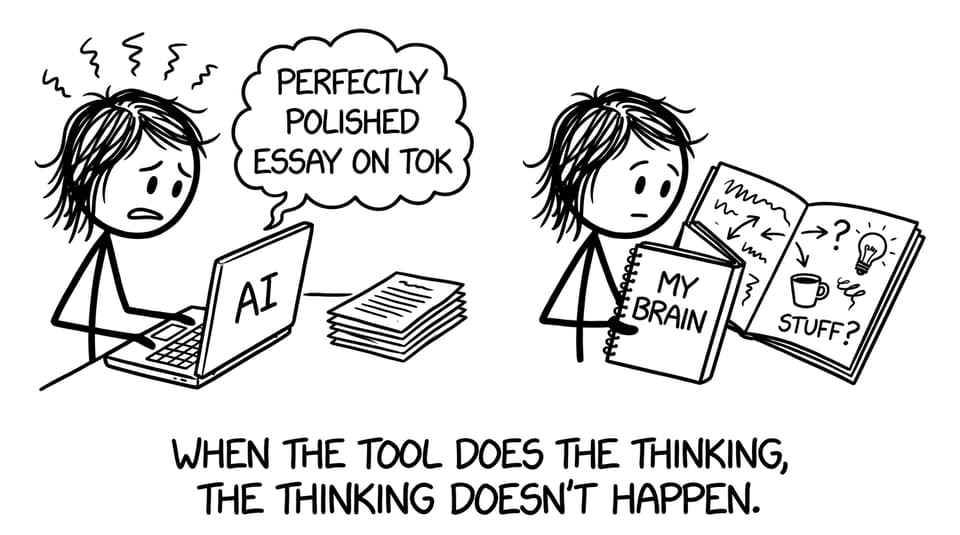
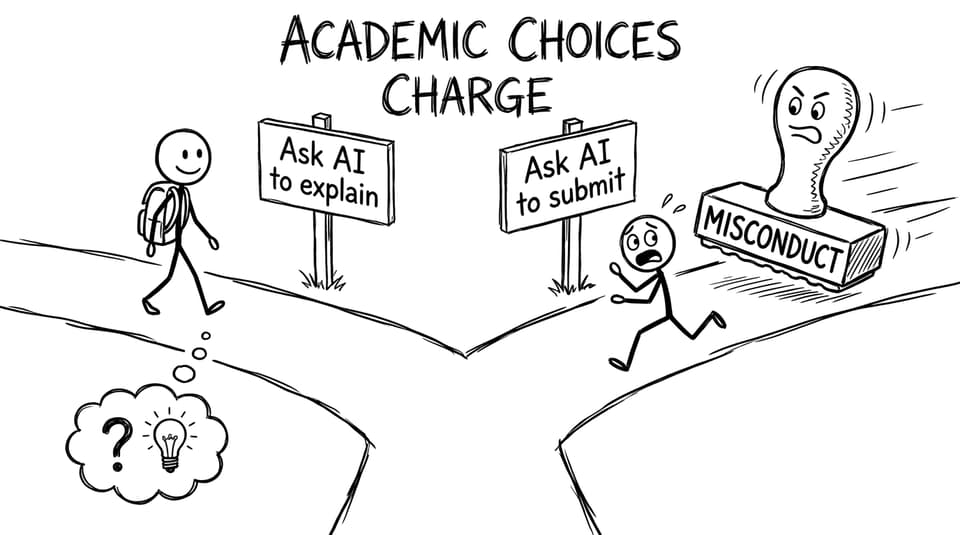
But here’s the line the IB keeps drawing: AI can be a study partner, not a ghostwriter. If you use AI to replace your thinking and then submit it as yours, that’s academic misconduct. If you use AI to learn, plan, test, and improve, while keeping clear ownership; you can use AI without getting penalized.
Ethical AI use in IB: a quick checklist
Use this checklist before you paste anything into an assignment:
-
Purpose: Is the AI helping you understand, practise, or plan, not produce final assessed text?
-
Ownership: Could you explain and defend every claim out loud, under questioning?
-
Originality: Does the final writing sound like you, not generic “perfect student” voice?
-
Transparency: If AI influenced structure/phrasing/ideas meaningfully, are you ready to acknowledge it?
-
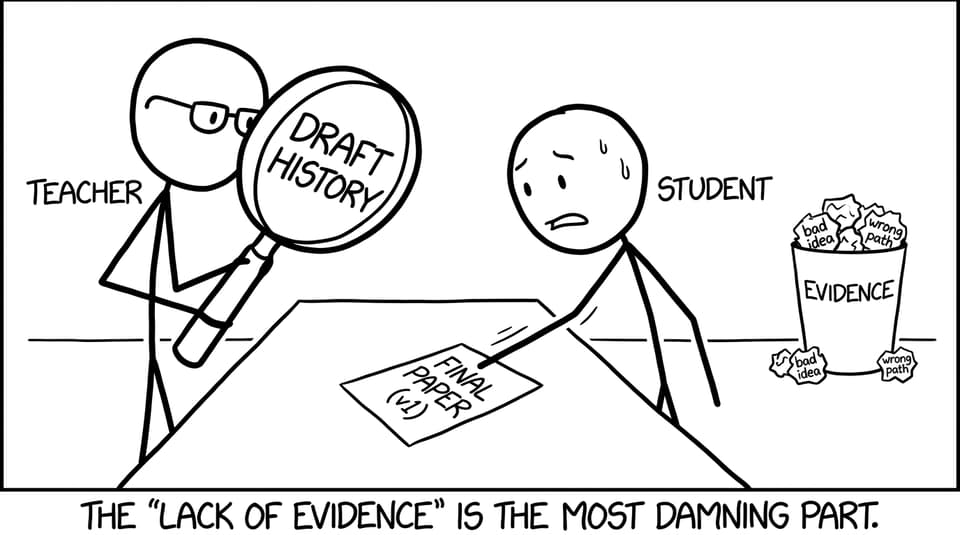
Process evidence: Do you have drafts, notes, a mistake log, or planning steps?
For a deeper integrity framework built for IB students, see How RevisionDojo Helps You Maintain Academic Integrity While Studying.
What the IB expects when you use AI tools
The IB does not treat AI as magic. It treats it like any external help: useful, allowed in many situations, but never a substitute for student authorship. The simplest rule for IB is this: if the tool did the thinking and the wording, and you submit it as yours, you’ve crossed the line.
If you want the policy logic translated into student-friendly moves, read How AI Tools Can Be Used Ethically in IB Coursework Based on IB Guidelines.
Safe ways to use AI for IB revision (and still keep it yours)
Ethical AI use in IB usually sits in three buckets:
AI for understanding
Use AI to clarify concepts you already encountered in class, then verify with your notes. This is where RevisionDojo’s Study Notes and AI Chat work well together: you learn the concept, ask a targeted question, then re-explain it in your own words.
AI for practice generation
Using AI to create quiz questions, flashcards, or “explain this like I’m five” prompts can be great, as long as you’re not copying generated responses into assessed work. RevisionDojo makes this loop smoother with Flashcards and the Questionbank, so your effort goes into recall and application (the parts IB exams actually reward).
AI for structure support
Outlines are a safe zone when you’re still doing the real writing yourself. For TOK specifically, Practical Guide to Using AI Tools for IB TOK Essays shows how to ask for help without handing over authorship.
What not to do: the AI shortcuts that trigger penalties
In IB, the riskiest pattern isn’t “using AI.” It’s submitting AI-generated content as if it were your own, especially for coursework like IAs, the EE, and TOK writing.
Common red-flag moves:
-
Asking AI to write a full draft, then lightly rewording it.
-
Using AI to invent data, citations, or sources.
-
Letting AI “polish” so much that your voice disappears.
If you need a clear view of consequences and prevention, read What Happens If Your IA Is Plagiarized? Consequences and How to Avoid It in the IB.
Can the IB detect AI use?
The IB doesn’t publish a “here’s our AI detector” announcement. But IB schools and examiners still have real ways to flag issues: similarity checking tools, teacher familiarity with your writing, process evidence, and consistency across drafts.
A practical breakdown is here: Can IB Detect ChatGPT? Understanding AI in Academic Integrity. If you want to stay safe, focus less on “can they detect it?” and more on “is this authentically mine?”
How RevisionDojo helps you use AI ethically (without losing marks)
RevisionDojo is built to make IB students stronger, not to manufacture submissions. The platform nudges you toward honest improvement through:
-
Questionbank practice to prove understanding under exam-style pressure
-
Study Notes to patch gaps fast
-
Flashcards to lock in definitions and processes
-
AI Chat to unblock misconceptions (without taking over your writing)
-
Grading tools for rubric-aligned feedback
-
Predicted Papers and Mock Exams to rehearse timing and technique
-
Coursework Library and Tutors when you need models and human strategy
To reduce risk when sharing work with third-party tools, read Is It Safe to Share My IB Assignments with Online AI Tools?.
Conclusion: use AI like a coach, not a replacement
IB is hard enough without adding secrecy to your workflow. Use AI to clarify, quiz, and plan, then do the real thinking yourself, in your own words, with your own evidence. That’s how you stay ethical, keep your marks safe, and still move faster.
If you want an IB study system where AI support is designed to strengthen integrity (not threaten it), build your routine in RevisionDojo using Study Notes, Flashcards, Questionbank, AI Chat, Grading tools, Mock Exams, and Predicted Papers, and keep your learning unmistakably yours.


