


Switching levels in IB feels a bit like changing lanes on a motorway with exams in the distance. Nothing is technically stopping you, but the timing matters, the gap behind you matters, and you need to know whether you can merge without wrecking the rest of your journey.
Maybe you picked SL because it looked manageable, then a university prerequisite appeared. Or you realised you actually enjoy the subject. Or your teacher casually said, “Have you considered HL?” and now your brain won’t let it go.
So, can you switch from SL to HL midway through the IB Diploma Programme? Yes, in many cases. But “possible” and “wise” are two different words, and the space between them is where your grades live.
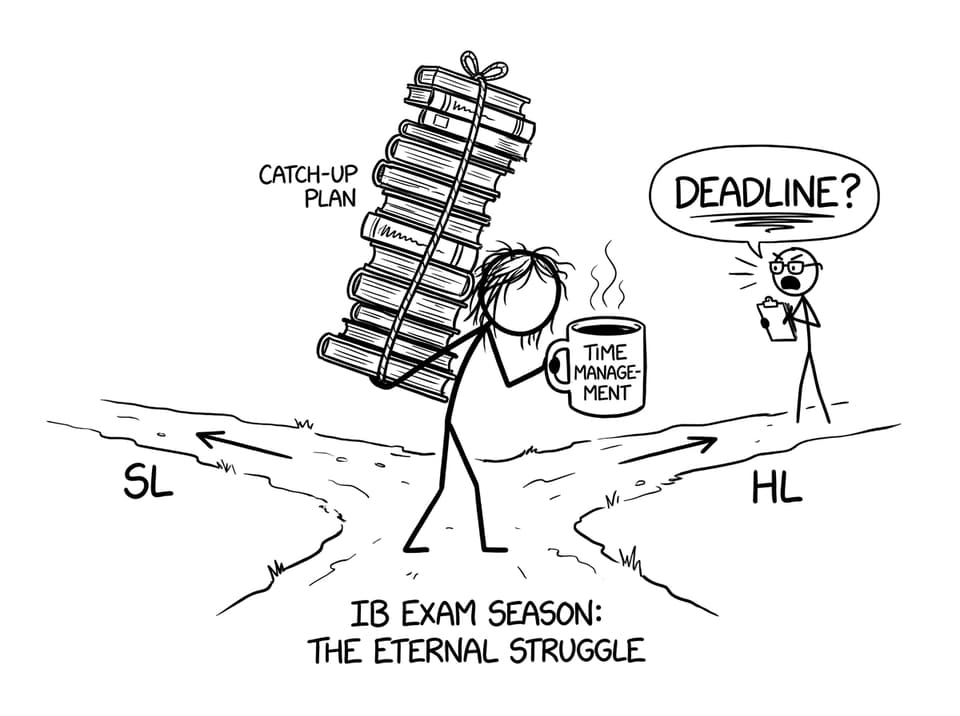
The quick answer (and a calmer checklist)
Before you ask your coordinator to change anything, run this short IB reality check:
-
Do you need HL for your university plan, or do you just feel FOMO?
-
Are you switching early enough to complete HL teaching hours and HL assessments?
-
Can you name the HL-only topics you have not studied yet?
-
Do you have weekly time to catch up without sacrificing other IB subjects?
-
Do you have a feedback loop (marking, corrections, timed practice), not just “more studying”?
If you can’t answer these clearly, pause. Clarity is a study skill in IB, not a personality trait.
How SL and HL actually differ in IB
In IB, SL and HL aren’t different “difficulty settings” in a video game. They are different contracts. HL usually means more teaching hours, deeper content, and a higher expectation of sustained reasoning under time.
A common benchmark in IB is that HL involves about 240 teaching hours while SL involves about 150. That difference shows up in three places: what you learn, how you’re assessed, and how long you must stay focused.
For a broader overview, see What’s the Difference Between HL and SL in IB?.
Content depth and exam expectations
HL in IB tends to include:
-
Additional topics (or extra subtopics) not taught at SL
-
More sophisticated questions that combine ideas
-
Longer mark allocations that reward structure, not just knowledge
If you want a concrete example, the differences in maths are especially clear in IB Math SL vs HL: Major Differences Explained.
Workload: the hidden part of “switching”
The switch is rarely just “learn a few extra chapters.” In IB, HL can change your weekly rhythm: more homework depth, more demanding internal tasks, and more pressure to practise exam technique consistently.
That’s why a lot of successful IB level-switches don’t start with motivation. They start with a schedule.
Does the IB allow switching from SL to HL?
The IB organisation does not universally ban switching between SL and HL. What matters is that, by the time you finish, you meet the requirements for the level you are registered in: teaching time, course content, and all assessments tied to HL.
But the practical decision usually sits with your school.
School policies matter more than the IB rulebook
In real life, your IB coordinator is balancing timetables, staffing, and assessment deadlines. Many schools set internal cutoffs (often around the end of the first year). Some allow later changes only if you can prove you can catch up safely.
If you want a candid view of why HL vs SL choices matter, read Does HL vs SL Matter in IB? The Honest Answer.
Why IB students consider moving from SL to HL
Most switches come from one of three reasons. The reason matters because it predicts whether the switch will feel empowering or punishing.
University prerequisites
Some degrees strongly prefer, or require, specific HL subjects. If your path depends on it, the switch may be less about pride and more about eligibility.
A helpful discussion is Do Universities Care Whether My Child Took HL or SL? (still useful for students, not just parents).
You discovered real interest
Sometimes SL was a cautious choice, but the subject turned out to be your “thinking home.” In IB, studying what you genuinely care about can raise your ceiling, but only if your systems match your ambition.
You’re stronger than you expected
Occasionally, teachers suggest HL because your early performance is unusually solid. That’s a good signal, but IB exams test stamina and consistency, not just first-term talent.
When is the best time to switch in IB?
Timing is the difference between “catch-up plan” and “permanent stress.”
The safest window
For most IB schools, the safest window is:
-
after your first term/semester (when you understand the subject’s pace)
-
before the end of Year 1 (so HL-only content isn’t stacked on top of final exam prep)
The later you switch, the more your catch-up must be surgical and timed.
A simple rule
If switching to HL would force you to neglect two other IB subjects, you’re not switching levels but you’re redistributing risk.
How to switch from SL to HL (a practical process)
In IB, the smoothest switches are boring. They are admin steps plus repeatable study steps.
Talk to the right people in the right order
-
Start with your subject teacher: ask what HL adds, and what you’ve missed.
-
Then meet your IB coordinator: ask about deadlines, registration, and timetable feasibility.
-
Finally, confirm what assessments change at HL (papers, internal requirements, or criteria).
Build an HL catch-up plan you can actually execute
A strong catch-up plan is not “study more.” It’s a loop:
-
Learn missing HL-only concepts fast
-
Practise HL-style questions under constraints
-
Get feedback and correct mistakes
-
Repeat until the gaps stop showing up in timed work
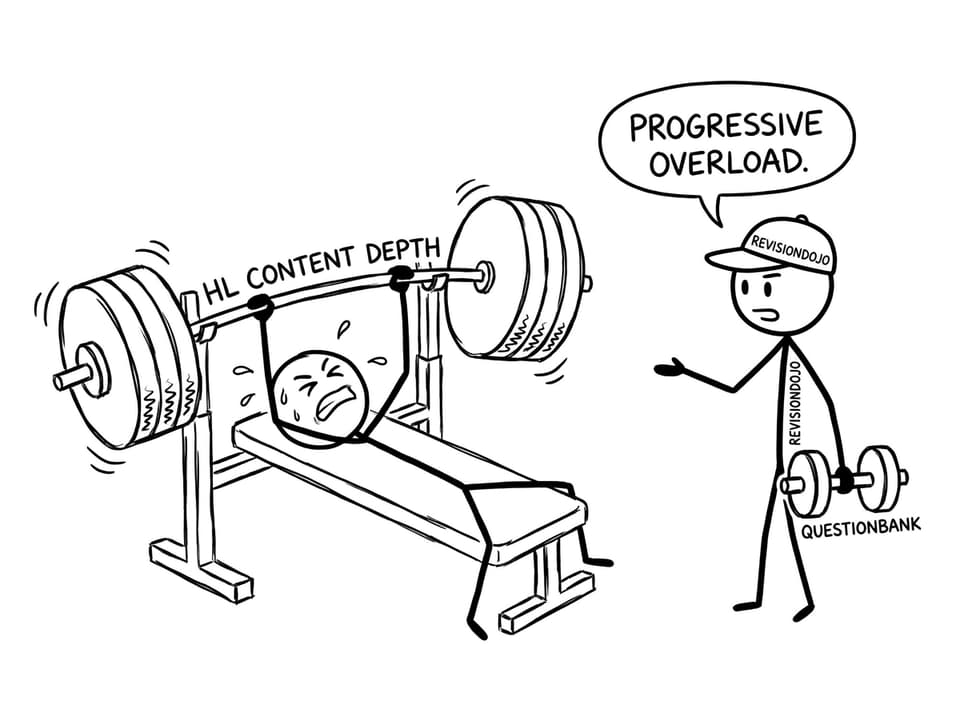
This is where RevisionDojo is designed to compress the chaos.
-
Use the RevisionDojo Questionbank to target HL-only topics and practise by difficulty.
-
Use Flashcards to keep definitions, processes, and method steps retrievable daily (crucial in IB when stress scrambles recall).
-
Use IB Predicted Papers to rehearse full-paper timing and decision-making.
-
Use Jojo-supported workflows to stop losing hours when you get stuck.
The “two-week truth test” before you commit
If you’re unsure, run a two-week experiment in your current SL class:
-
Week 1: 3 focused HL-topic study blocks + 2 Questionbank sessions
-
Week 2: 2 timed sets + one longer exam-style section
If your performance improves and your week stays stable, the switch may be realistic in IB terms. If your other subjects start slipping, that’s data, not failure.
Challenges to expect (and how to make them smaller)
Catching up on HL-only content
HL classes may have already covered units you never touched at SL. You’ll need a map of what’s missing, then steady repetition.
The fastest way is usually:
-
quick concept learning with Study Notes
-
immediate practice with a Questionbank
-
correction using markscheme-style feedback
If your whole IB routine feels messy, You’re Not Lazy, and Your IB Study Method Is Broken is a strong reset.
Increased workload near coursework deadlines
In IB, the core and coursework don’t pause politely. If you switch while major drafts are due, your stress becomes cumulative.
RevisionDojo’s Grading tools and Coursework Library exist for this exact problem: reducing “guessing time” so you can keep exam prep moving.
Adapting to HL-style marking
HL answers often require clearer structure, more explicit reasoning, and better command-term discipline. Practising without feedback can make you confidently wrong.
Use the IB Question Bank: How to Use It Effectively approach: practise, check, log patterns, re-test.
Subject-specific tips for switching SL to HL in IB
Maths
Math HL usually punishes passive revision. You need volume, correction, and timed problem solving. Start by identifying HL-only areas and drilling them weekly.
Use IB Math SL vs HL: Major Differences Explained to pinpoint what changes, then practise those exact skills with RevisionDojo’s Questionbank and Mock Exams.
Sciences
Expect more depth in explanations and data-handling. Build a habit of writing mark-winning method language, not just knowing the idea.
English and humanities
HL often demands richer analysis and better structure under time. Your best friend is consistent writing practice plus feedback loops: what did the examiner want, and did you explicitly deliver it?
Closing: make the switch like an IB strategist
Switching from SL to HL midway through IB can be a turning point. But the point isn’t “HL status.” The point is whether the switch helps you build a better final outcome without breaking the rest of your programme.
If you decide to move, do it with a plan: diagnose gaps, practise with exam-shaped questions, get feedback, and train timing. RevisionDojo makes that plan easier to live with: Questionbank for targeted HL practice, Study Notes and Flashcards for fast catch-up, AI Chat for unblocking confusion, Grading tools for feedback, Predicted Papers and Mock Exams for realism, plus a Coursework Library and Tutors when you need the human layer.
Your IB journey rewards the students who choose calmly, practise consistently, and adjust early. If that’s you, switching levels isn’t a gamble. It’s a managed upgrade.