


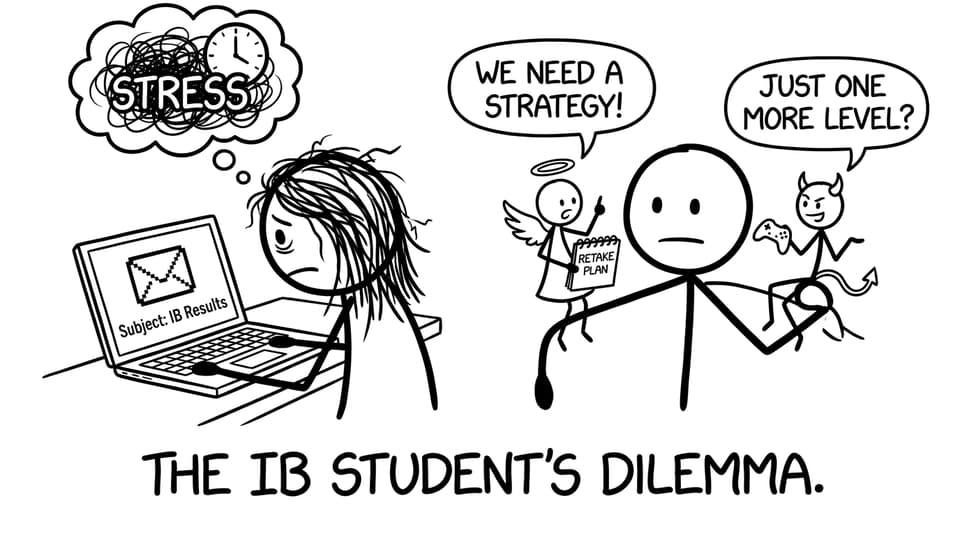
When your IB results land, they can feel strangely permanent. A number. A boundary. A story you didn’t choose.
But IB scores aren’t always the final chapter. If you missed a university condition by a point, fell short of the diploma, or simply know you can do better, an IB retake is a real option (and a common one). The key is understanding what retaking actually involves, what changes, what doesn’t, and how to train for the second attempt like it’s a different sport.
Can you retake an IB exam?
Yes. The IB allows students to retake (often called a resit) exams in the same subject and level (SL or HL). You can retake one subject or several, depending on what will actually move the outcome you care about.
A few practical realities worth knowing:
-
You can retake in the next available IB session (May or November) or a later one.
-
You sit the external assessment again (the exam papers).
-
Your final outcome uses the best result for the retaken subject in terms of diploma awarding (your higher grade is what matters).
If you want a deeper walk-through, keep this open: Can You Retake IB Exams? A Calm, Strategic Guide.
Quick IB retake checklist (save this)
Before you commit to an IB retake, run this checklist:
-
Confirm the university policy on IB retakes (some want first-session results, others accept improvements normally).
-
Ask your coordinator for component marks and how close you are to the next boundary.
-
Choose the minimum number of subjects that changes your outcome.
-
Decide whether your IA will be reused or redone (more on that below).
-
Build a tight loop: notes for clarity, questions for accuracy, timed practice for pacing.
For general exam structure, this step-by-step guide helps: How to Study for IB Exams: Step-by-Step Guide.
Who should consider an IB retake?
An IB retake is most useful when the upside is clear and specific.
Consider it if:
-
You narrowly missed a university offer (one subject grade can be the lever).
-
You did not meet the 24-point diploma requirement and need to complete the diploma.
-
You’re aiming for a more competitive program where a 6 or 7 changes admissions odds.
-
You had a genuine performance dip (illness, stress, timing collapse) and your coursework and mocks suggest a higher ceiling.
If you’re still processing the result itself, this may help you stabilize first: Didn't Get the IB Score You Wanted? Do This Next.
When can you retake IB exams (and how timing really works)?
The IB runs exams twice a year:
-
May session
-
November session
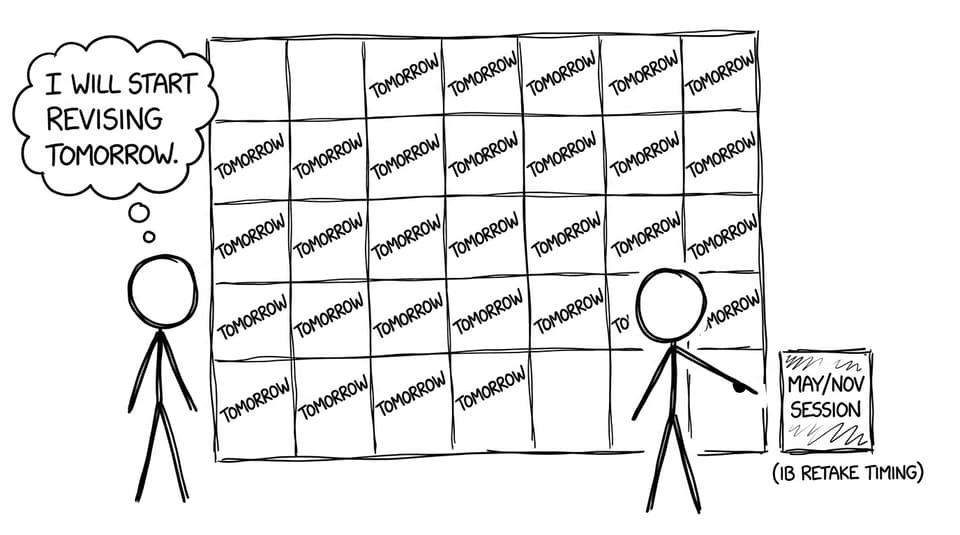
Most students sit May first, then use November as the earliest realistic retake window. The catch is that admin deadlines arrive earlier than your motivation does. Registration is handled through an IB school (usually your original school, sometimes another authorized one), so you need to speak to your coordinator quickly.
How many times can you retake an IB exam?
In general, you can retake IB exams up to three times within a three-year period (across exam sessions). This is one reason it’s smart to treat a retake as a focused project, not a vague second lap.
What does retaking involve (IAs, papers, and what carries over)?
Retaking an IB subject usually means you resit the external exams for that subject. Internal Assessment marks can often be carried forward, unless you choose (or are required) to redo the IA based on your situation and school policy.
In plain terms: the retake is mostly about exam performance. That’s good news, because exams are trainable.
The most common reason scores don’t rise on a retake isn’t content. It’s that the student studies “more” but doesn’t study “exam-shaped.”
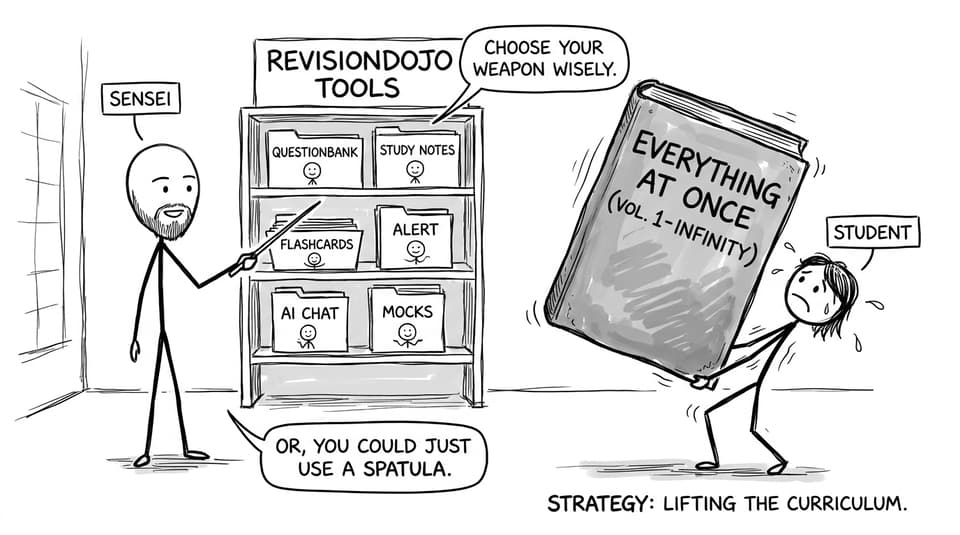
That’s where a tool stack helps:
-
Use RevisionDojo Study Resources to quickly locate subject hubs.
-
Use the Questionbank to drill the exact topic types that cost you marks.
-
Add realism with IB Predicted Papers when you’re ready for full-paper stamina.
-
Build daily recall with the system described here: IB Flashcard System: Active Recall for Better Memory.
How much does it cost to retake an IB exam?
IB retake fees vary by school and country, but many students see:
-
Subject fees often around 200 USD per subject
-
Additional registration/admin fees often around 200 USD
If you’re registering through a different school, extra admin costs may apply.
A smarter IB retake strategy (not just “study harder”)
If you’re retaking IB, aim for a plan that produces feedback quickly.
Diagnose what actually broke
Was it:
-
A concept gap (you didn’t understand the topic)
-
A technique gap (you knew it, but couldn’t earn marks)
-
A timing gap (you ran out of minutes, not knowledge)
Then use targeted practice to fix that failure mode. This is exactly why RevisionDojo works well for an IB retake: you can move from Study Notes to Questionbank to AI Chat explanations to Grading tools feedback without losing momentum.
A few helpful reads to support the routine:
Closing: A retake is a second attempt, not a second life
Retaking an IB exam isn’t about proving you’re capable. You already are. It’s about making your preparation match what the IB actually rewards: clear method, accurate language, and calm timing.
If you’re planning an IB retake, build your routine in one place: RevisionDojo’s Questionbank, Study Notes, Flashcards, AI Chat, Grading tools, Predicted Papers, Mock Exams, Coursework Library, and Tutors are designed to turn a retake into a focused, doable project.
Start here and keep it simple: RevisionDojo | IB & MYP Resources.