

The moment you hear “They’ve been sent”
In the IB, few phrases land heavier than: your predicted grades have already gone out. It can feel like a door quietly clicked shut while you were still running down the hallway with your books in your arms. But universities, schools, and teachers are human systems, not perfect machines. And human systems sometimes have room for updates.
The honest answer for IB students preparing for exams is this: you might be able to improve predicted grades after they’re sent, but only in specific situations, and only if you move from emotion to evidence.
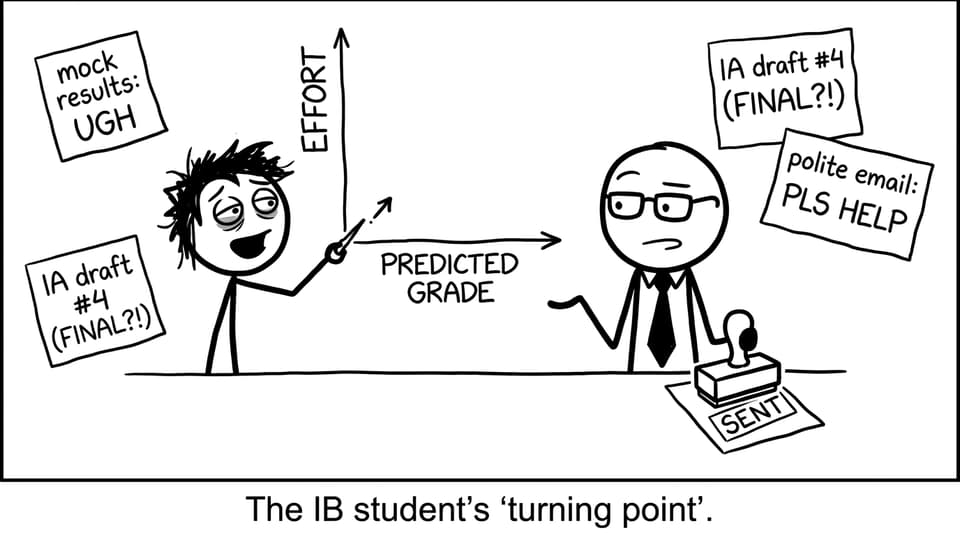
Quick checklist: what to do in the next 48 hours (IB)
-
Confirm who sent the IB predicted grades (teacher, coordinator, counselor)
-
Ask which deadlines matter (school internal cutoff vs university deadline)
-
Gather new evidence: mock exams, topic tests, improved coursework drafts
-
Make a specific request: “What would justify a +1 in this subject?”
-
Keep studying like your final IB exams are the real decision-maker (because they are)
If you want calm structure while you do this, RevisionDojo’s ecosystem (from Questionbank to Predicted Papers) is built around turning effort into visible proof.
Can IB predicted grades be changed after submission?
When changes are possible (and why)
Some IB schools do revise predictions if there’s meaningful new data and the timeline still allows it. This is most likely when:
-
Your school has not finalized all documents for every university portal
-
A teacher is willing to reassess based on a new timed performance (often a mock)
-
The university system is flexible (common with rolling processes)
In other words, the key isn’t persuasion. It’s fresh evidence that your current IB performance is different from the snapshot used to generate the original prediction.
For a helpful mindset reset, read IB Predicted Grades Don’t Define You (Here’s What Does).
When changes are unlikely (and what that means)
In many schools, predicted grades have hard internal cutoffs. Once they’re submitted:
-
teachers may refuse changes for fairness across the cohort
-
universities may not accept amended predictions
-
updates may be administratively impossible close to deadline
That sounds harsh, but it clarifies your next move: shift your energy to controllables. Your final IB exams and final results still carry the most weight, especially once offers are conditional.
How to ask for an IB predicted grade review (without burning bridges)
A strong request is short, respectful, and measurable:
-
Ask for the rationale: what evidence was used?
-
Offer new evidence: improved mock scores, timed essays, marked tests, upgraded IA drafts.
-
Propose a pathway: “If I score X on the next assessment, would you reconsider?”
If you need to understand how predictions are formed, How to Interpret IB Predicted Grades and Improve Them is a useful companion.
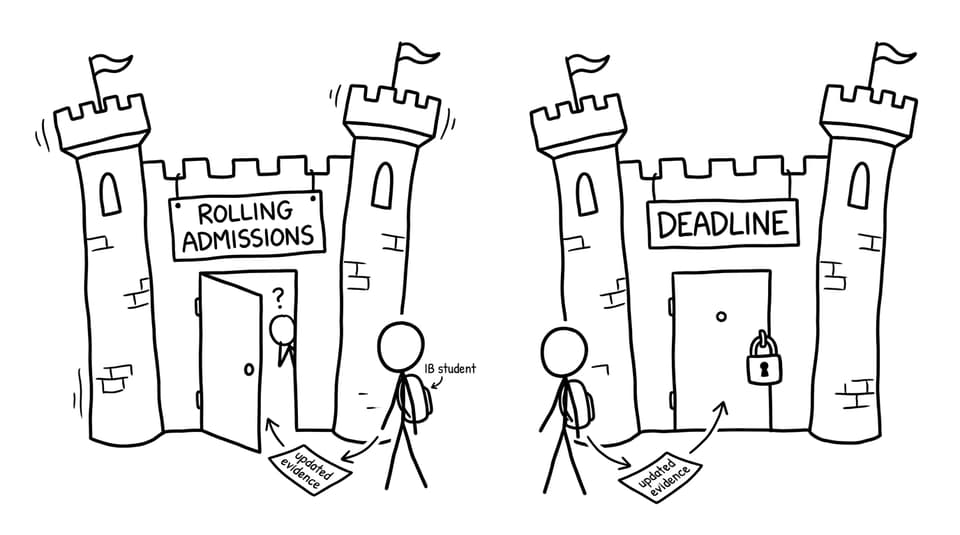
Build the evidence loop that actually moves IB grades
Teachers change predictions when they can defend the change. So give them something defensible:
-
Use RevisionDojo’s IB Grade Calculator to translate raw marks into realistic outcomes.
-
Train under pressure with IB Predicted Papers to show you can perform, not just revise.
-
Patch weak areas quickly using Study Notes and Flashcards, then prove improvement with the Questionbank and AI Chat.
If you want a broader plan for performance close to finals, IB: The Last 2 Weeks Before Exams (What Matters) keeps the focus on what moves marks.
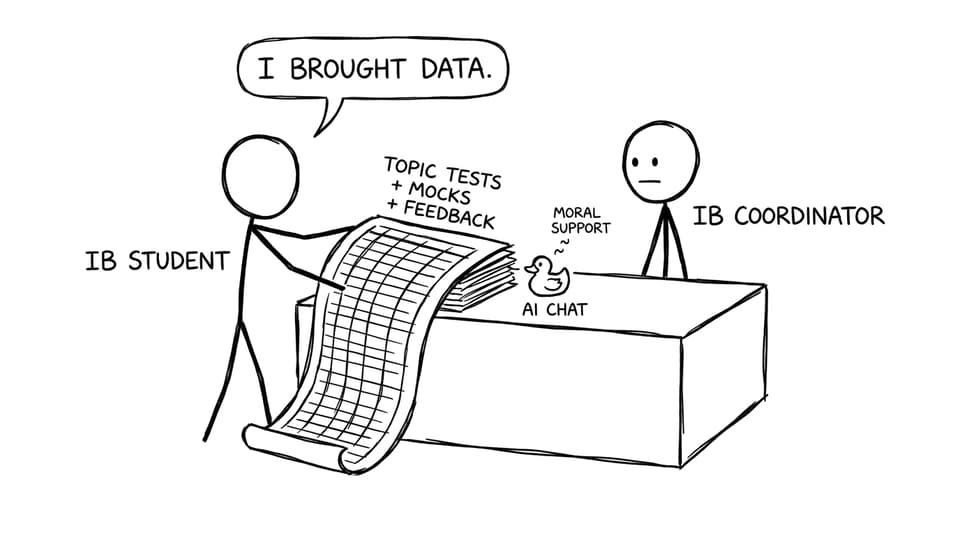
Final takeaway: in the IB, proof beats panic
Can you improve your IB predicted grades after they’re sent? Sometimes. But the path is narrow: policy, timing, and evidence. If there’s room to update, bring clean proof and a calm request. If there isn’t, remember the bigger truth of the IB: the final exams are still your strongest signal.
When you’re ready to turn stress into a system, RevisionDojo helps you create the evidence teachers trust and universities respect: Study Notes, Flashcards, Questionbank, AI Chat, Grading tools, Predicted Papers, Mock Exams, Coursework Library, and Tutors. Start with one subject, one weakness, one timed set. Then let the results speak.