



If you’ve ever left a study session thinking, “We spent 40 minutes debating one definition,” you’ve also wondered the opposite: What if I just used AI and skipped the group entirely?
That question hits differently in IB. The syllabus is wide, the mark schemes are picky, and time is never on your side. AI tools can feel like a quiet superpower: instant explanations, endless practice, no awkward silences. But IB exams don’t just reward knowing; they reward reasoning, clarity, and judgment. And those are social skills as much as academic ones.
IB reality check: what AI can replace (and what it can’t)
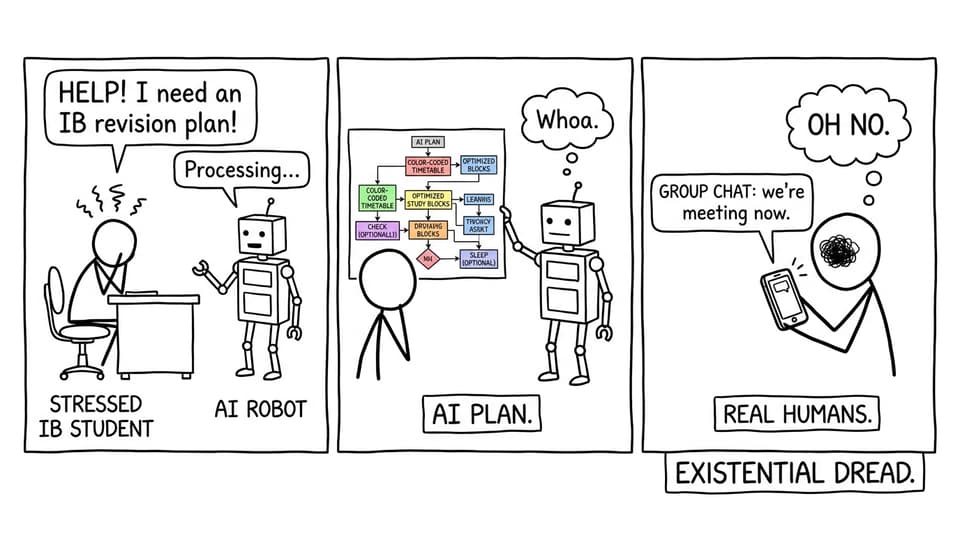
AI can replace a chunk of what study groups try to do: generate questions, test recall, explain a concept three different ways, and keep you moving when motivation is low. In IB, that matters because consistency beats hero sessions.
But AI struggles to replace what good peers create naturally: friction, disagreement, and the moment someone says, “Wait, that doesn’t actually answer the command term.” Those moments are uncomfortable, and exactly where IB performance is built.
Quick checklist: use AI when you need speed
-
You need instant clarification and examples (especially at 10:47 p.m.).
-
You want daily active recall without planning the session.
-
You need targeted practice on one weak subtopic.
Use a study group when you need depth
-
You need to explain ideas out loud (and discover what you don’t actually understand).
-
You want feedback on structure, argument flow, and interpretation.
-
You need accountability when revision gets chaotic.
IB study groups: the hidden advantage is “live marking”
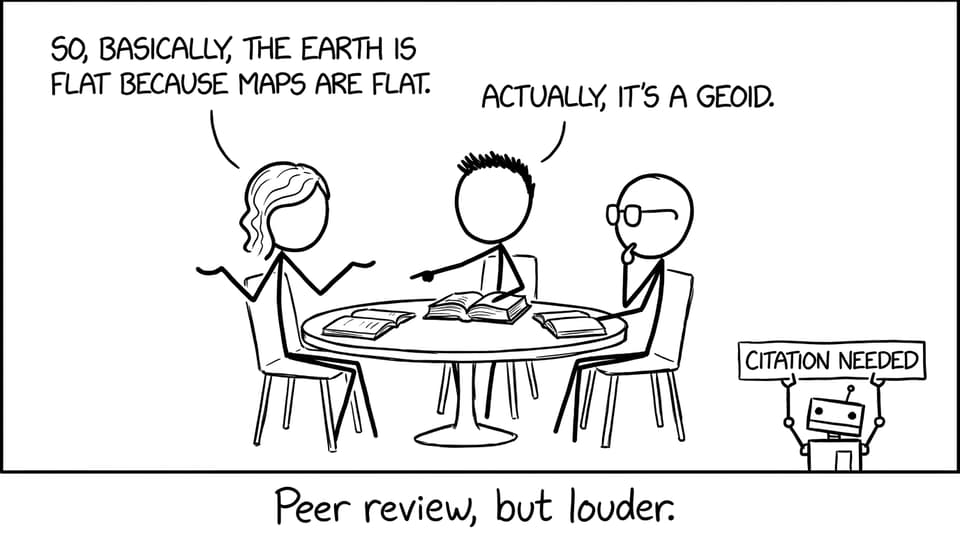
A good IB study group isn’t a hangout. It’s a simulation of how your thinking holds up under pressure. Someone asks a question. You answer. Someone challenges your reasoning. You tighten your explanation. That loop mirrors what happens in timed responses.
AI can give feedback, but peers add something else: the unpredictability of how real humans misunderstand you. In exams, that matters. Examiners can’t read your intention, only what you wrote.
IB hybrid method: AI for prep, people for pressure-testing
The strongest approach for most IB students is a hybrid: AI builds the base layer fast; your group tests whether it’s solid.
Here’s a simple workflow that’s realistic during exam season:
Before the group: build your “inputs” with AI
-
Skim a tight topic overview using RevisionDojo Study Notes and keep a short list of “I’m not sure why this works” questions. (Start here: IB Subject Note Collections)
-
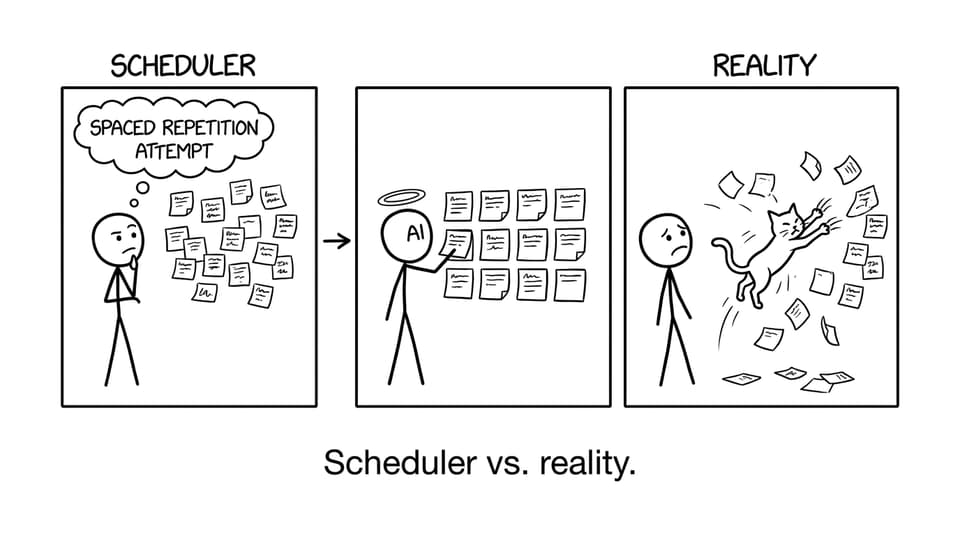
Turn those uncertainties into daily recall using RevisionDojo Flashcards and the broader IB Flashcards with Spaced Repetition (SRS).
-
When you’re stuck, ask Jojo AI to explain, then ask it to challenge you with follow-ups.
During the group: simulate the exam mindset
-
Run short, timed rounds using the Questionbank so everyone answers the same prompt, then compare approaches. Use: IB Question Bank | How to Use It Effectively.
-
Assign roles: one student answers, one checks command terms, one acts as “mark scheme lawyer.”
-
Finish with one timed section from IB Predicted Papers to build stamina and decision-making.
After the group: close the loop
-
Log what went wrong as patterns, not drama.
-
Use Jojo to re-teach the exact gap, then rebuild it into flashcards.
-
If you’re behind and need a calm plan, follow: How to Study for IB Exams When You Feel Behind.
The bottom line for IB students
AI can absolutely shrink your revision time in IB. It can tutor you, quiz you, and keep you consistent. But a study group still matters for the part of IB that’s hardest to automate: expressing thinking clearly, handling disagreement, and stress-testing understanding under time.
If you want the best of both worlds, use RevisionDojo as your hub: Study Notes to learn, Flashcards to remember, AI Chat to get unstuck, Questionbank to apply, Grading tools to learn what earns marks, plus Predicted Papers and Mock Exams to rehearse performance. Then bring the hardest questions to your group and let real humans do what they do best: challenge you into clarity.