


The quiet power of saving one hard IB question
You know the moment: you finish a set of IB questions, check the solution, and think, “I’ll remember this mistake.” Then a week later, you meet the same question type again, and the mistake returns like it never left.
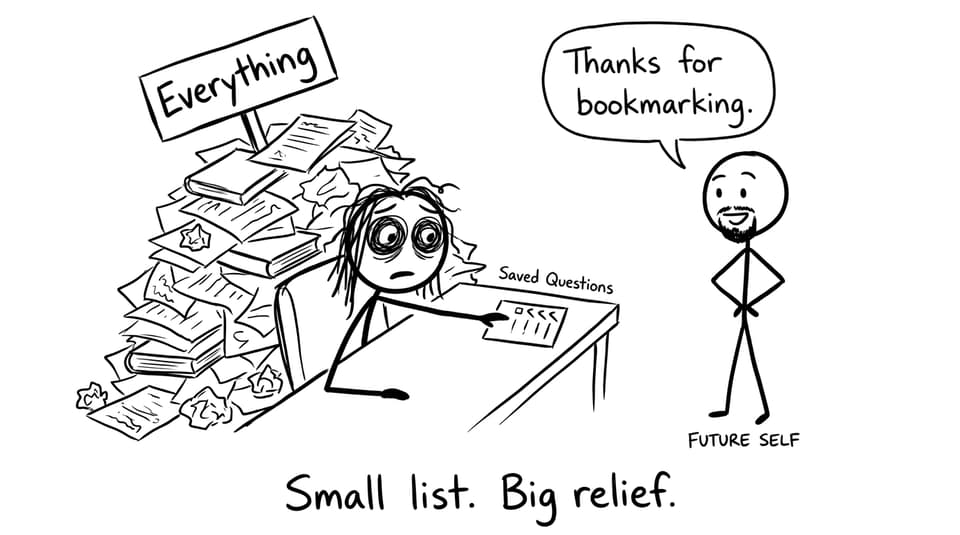
That’s what “bookmarked” questions are really for. Not organization. Not aesthetics. They’re a promise to your future self that the exact things that cost you marks won’t vanish into yesterday’s work.
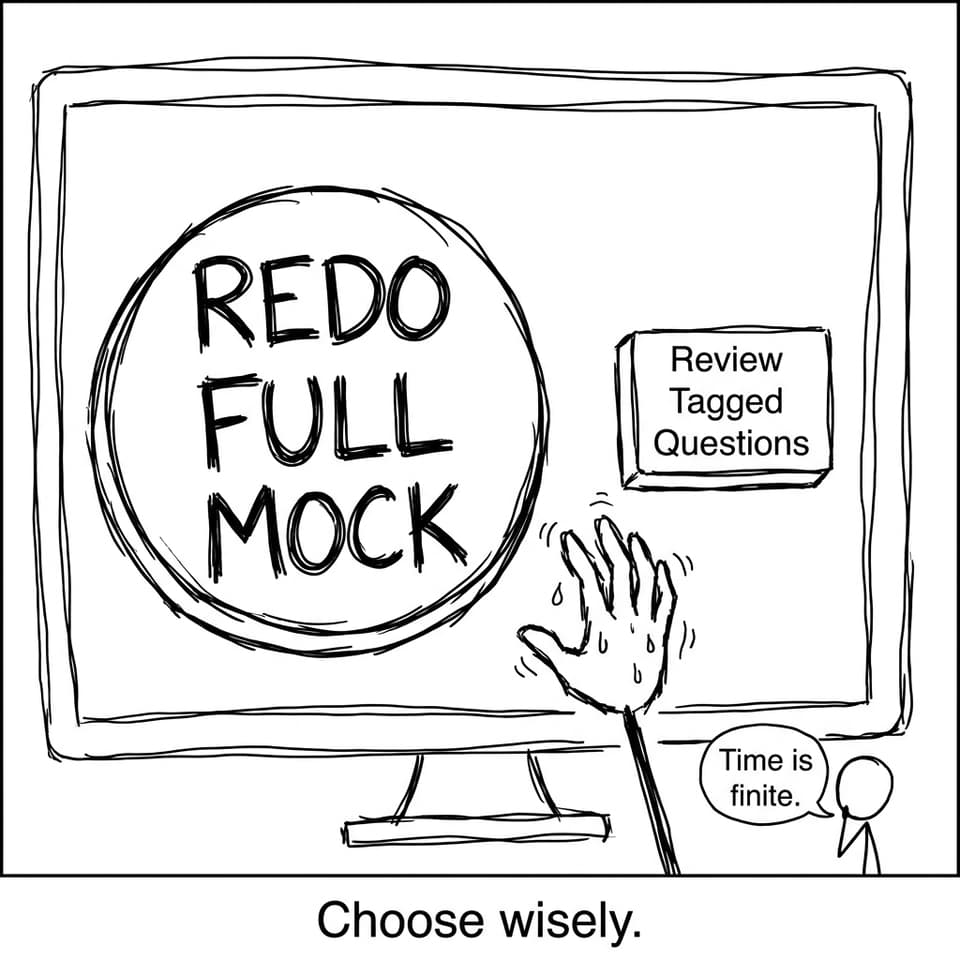
On RevisionDojo, this idea shows up through smart practice loops in the Questionbank: you can tag questions as “review” so the tricky ones become a focused queue, not a vague feeling.
Quick checklist: how to “bookmark” IB questions (without overthinking)
-
Do a short set in the RevisionDojo Questionbank
-
When you miss (or guess) an IB question, tag it for review
-
Reattempt only your tagged questions within 48 hours
-
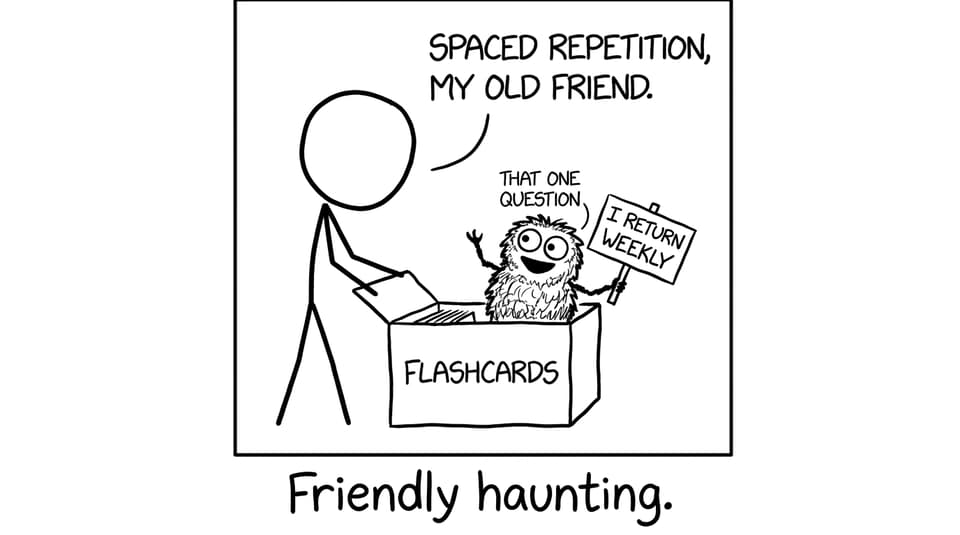
Turn repeat mistakes into Flashcards for spaced repetition
-
Use AI Chat to clarify one blocked step, then test again
Why bookmarked IB questions change your score faster
Most students revise like they’re repainting a wall: broad coverage, lots of motion, not much precision.
Bookmarked IB questions push you into a different mindset: marks are lost in patterns. Misread command terms. Weak definitions. Sloppy method. A missing evaluation line. You don’t fix those patterns by doing “more questions.” You fix them by doing the same kind of question again, on purpose, with feedback.
That’s also why a good IB workflow connects tools instead of scattering them. In RevisionDojo, the loop can stay tight: Study Notes for clarity, Questionbank for application, Flashcards for memory, AI Chat for unblocking, and Grading tools when you need rubric-style feedback.
For deeper routine ideas, pair this article with Busy vs Productive for IB: Study That Actually Scores and Why You Feel Unprepared Even When You've Studied IB.
A simple “saved questions” system you can run all year
Make your bookmarks mean something
Don’t tag every question. Tag the ones that reveal something:
-
You got it wrong for a repeatable reason (concept gap, method gap, command-term mismatch)
-
You got it right but only by luck
-
You couldn’t explain why the mark scheme rewarded that phrasing
This is where RevisionDojo’s Questionbank tagging is most powerful: it creates an honest list of what your IB exam brain can’t yet do on demand.
Reattempt on a schedule, not a mood
A calm pattern:
-
Day 0: attempt + tag
-
Day 2: reattempt tagged questions (no notes)
-
Day 7: reattempt the ones you still miss
If you want the science behind this spacing, read The Science of Spaced Repetition for AP/IB Success.
Convert bookmarks into Flashcards (so they stop returning)
If the same error shows up twice, convert it into a Flashcard:
-
Front: “What’s the rule I keep breaking?”
-
Back: one clean line you could write in an IB exam
Then keep it alive with spaced repetition using IB Flashcards with Spaced Repetition (SRS).
Save the IB questions that cost you marks
If you do one thing after your next IB practice set, don’t just move on. Save the questions that hurt a little. Tag them in the RevisionDojo Questionbank, revisit them on a schedule, and turn repeat mistakes into Flashcards.
That’s how revision stops being busy and starts compounding.