
Year 2 of the IB can feel like living in a browser with 37 tabs open: Extended Essay, TOK, IAs, CAS, and then the quiet pressure of final exams, always loading in the background. The tricky part is that burnout rarely arrives as a dramatic collapse. It often shows up as small leaks: shorter patience, fuzzier focus, and a growing dread of starting.
The good news is that you can prevent IB burnout with a system that protects recovery while still moving your scores forward. Below are eight strategies that work because they reduce decision fatigue, make progress visible, and keep your brain in “training” rather than “survival.”
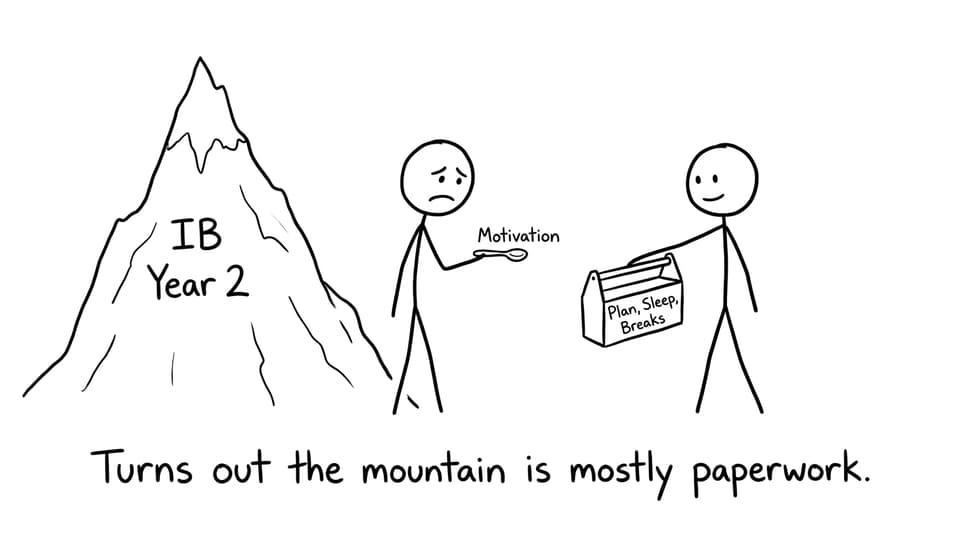
A quick anti-burnout checklist for IB Year 2
-
Pick a weekly plan you can repeat, not a heroic one you can’t.
-
Study in short blocks with real breaks.
-
Prioritise sleep like it’s a subject.
-
Use active recall (not rereading) to cut hours.
-
Practice under exam conditions gradually.
-
Keep one social touchpoint each week.
-
Ask for help early.
If you want a single platform to reduce resource-hunting stress, start at RevisionDojo for IB.
Strategy 1: Build a balanced study schedule you can actually live with
In IB, the most dangerous schedule is the one that only works on your “best possible day.” Map your major deadlines, then give yourself realistic weekly study windows. Keep one buffer block for spillover so one bad day doesn’t wreck the whole plan.
A simple rule: if you can’t repeat it for four weeks, it’s too intense.
Strategy 2: Use timed study blocks to protect your attention
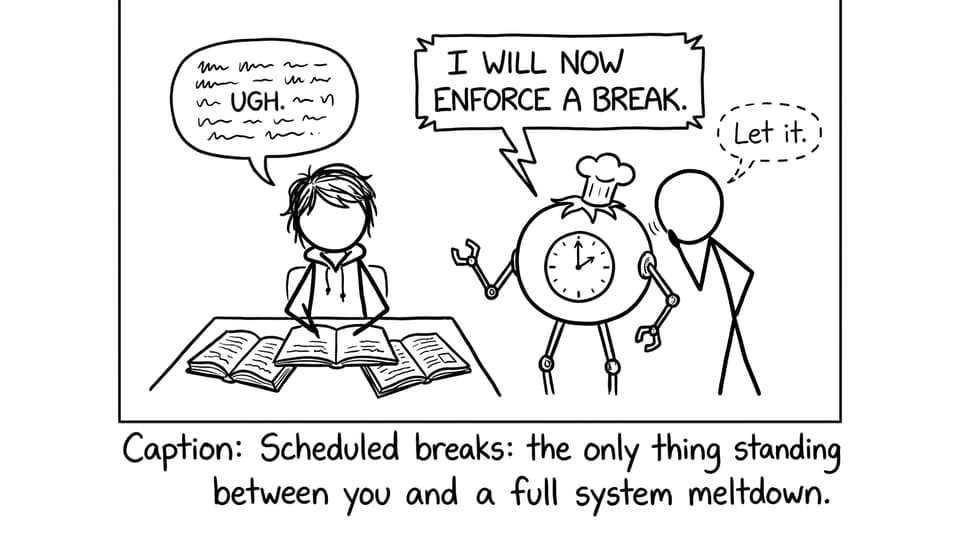
Burnout loves endless sessions. Try 40-50 minutes focused work, then 10 minutes off-screen. The break is part of the plan, not a reward.
If you’re unsure what to do inside a block, use a tight loop: learn a small idea, test it, review mistakes.
To make this easier, use RevisionDojo Flashcards for quick active recall sessions that fit even on busy school days.
Strategy 3: Anchor sleep, movement, and food (the unglamorous score boosters)
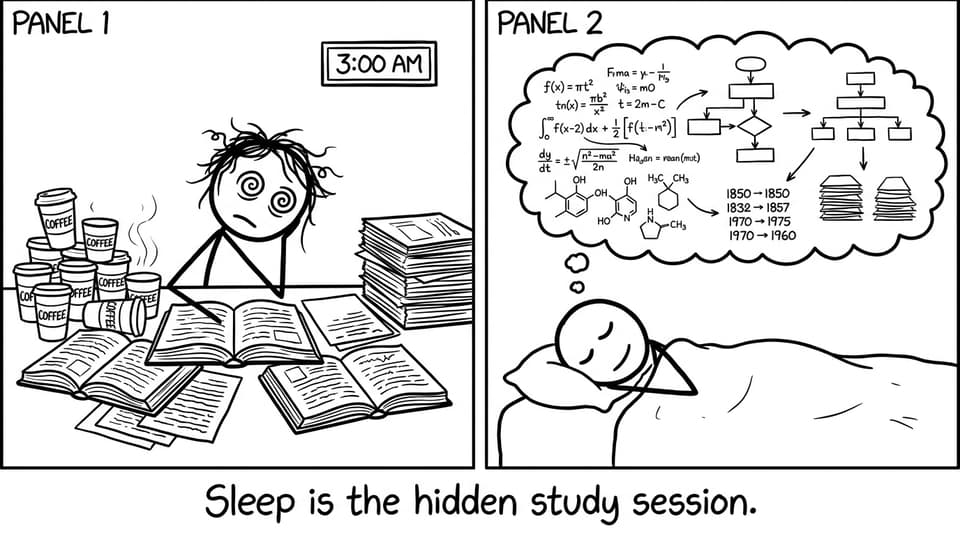
In IB, sleep is often treated like optional homework. It isn’t. Aim for a consistent wake time, then work backward. Add light movement (walks count), and don’t run on caffeine alone.
You don’t need a perfect lifestyle. You need stable basics that reduce mental volatility.
Strategy 4: Shrink goals until they’re frictionless to start
“Revise Chemistry” is a mood-killer. “Do 12 questions on acids and review the mistakes” is actionable.
Try SMART goals, but make them small: one subtopic, one skill, one measurable outcome. Small wins are not childish; they are momentum.
Strategy 5: Switch from rereading to active recall (save hours, reduce stress)
A lot of IB burnout is time spent studying in ways that feel safe but don’t create proof. Rereading notes can be soothing, but active recall is what makes knowledge usable under pressure.
Use prompts, self-quizzing, and short daily flashcards. RevisionDojo’s approach is built around this loop: notes for clarity, flashcards for memory, then exam-style practice for performance.
For a deeper method, see Active Recall for IB: The Only Method You Need and IB Flashcard System: Active Recall for Better Memory.
Strategy 6: Train with exam-style practice, but scale it gradually
Don’t jump straight from “reading” to full exam marathons. Start with timed sections, then build stamina.
When you’re ready for realistic rehearsal, use IB Predicted Papers by IB Examiners (Free) and pair them with targeted practice in your routine. If you’re unsure how to use them wisely, read IB Predicted vs Specimen Papers: What They Mean.
Strategy 7: Keep your people close (even when you’re busy)
The IB can quietly isolate you: everyone is “fine,” no one has time, and stress becomes normal. One weekly study group or walk with a friend can reset your nervous system.
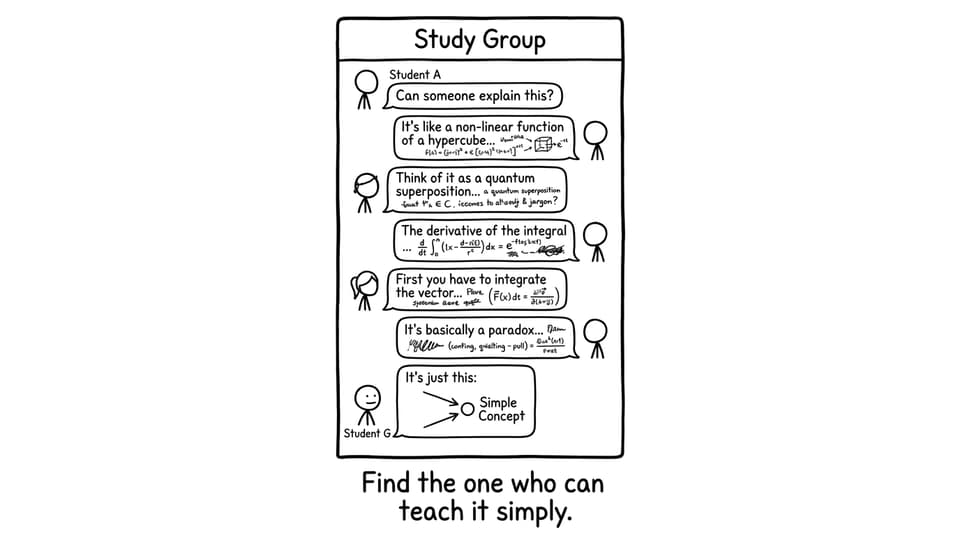
Also, choose your study partners carefully: the best group is the one that turns confusion into clarity, not panic into louder panic.
Strategy 8: Get support early (before burnout becomes your personality)
If your sleep is consistently broken, motivation is gone for weeks, or you feel stuck and panicky, speak to a trusted teacher, counsellor, or your IB coordinator. Early support is efficient support.
On the academic side, RevisionDojo can reduce pressure with tools that shorten feedback loops: Questionbank practice, Study Notes, AI Chat, Grading tools for written work, Mock Exams, Predicted Papers, a Coursework Library, and Tutors when you need a human plan.
If you feel you’re already sliding, these two reads help: IB Burnout Is Real: How to Fix It Fast and IB Burnout Psychology: Why It Happens and How to Recover.
Finishing IB strong without burning out
Year 2 of the IB is not won by the student who can suffer the longest. It’s won by the student who can repeat a calm, high-signal routine: clarity, recall, practice, review, recovery. If you want that routine to feel lighter, consolidate your workflow with RevisionDojo’s Study Notes, Flashcards, Questionbank, Mock Exams, Predicted Papers, AI Chat, and Tutors.
When you protect your energy, your IB scores tend to rise as a side effect. Start small today, repeat it tomorrow, and let consistency do what intensity never could.