

If you have ever looked at the IB Diploma and thought, “I’m smart… but am I IB smart?” you’re in good company. Most students don’t fail the IB because they lack potential. They struggle because the program quietly demands a specific kind of readiness: breadth, consistency, and the ability to learn from friction.
The good news: IB readiness is measurable. You can test it, train it, and improve it--before deadlines and exams start piling up.
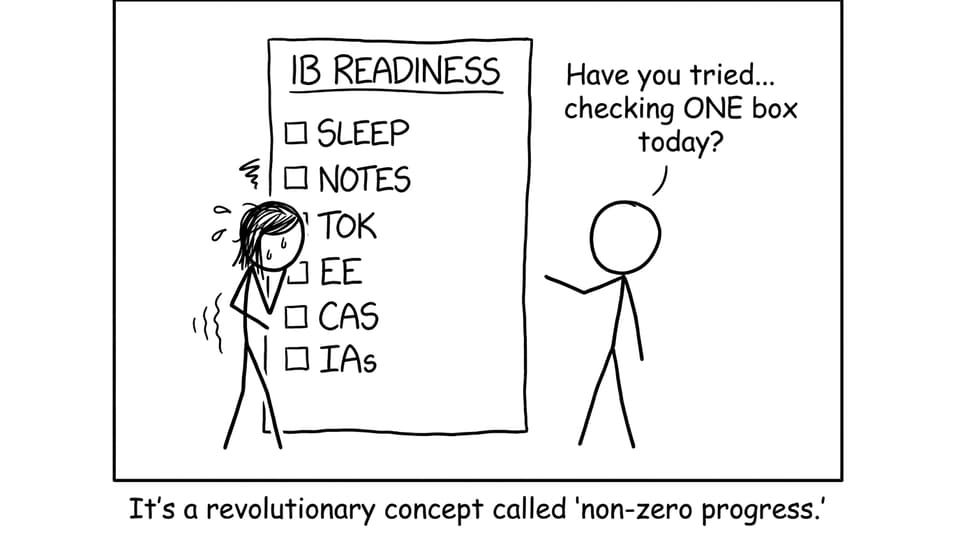
What the IB Diploma actually asks of you
The IB Diploma Programme isn’t “hard” in a single way. It’s hard in several ways at once:
-
Six subjects at the same time (languages, humanities, sciences, math, and more)
-
Three core components: TOK, the Extended Essay (EE), and CAS
-
Assessments that punish vague thinking: exams plus Internal Assessments (IAs) that require planning, evidence, and structure
If you want a quick sense of the landscape, start with RevisionDojo for IB to see how IB topics, practice, and feedback fit together.
A quick IB readiness checklist (be honest)
If you can say “mostly yes” to these, you’re academically ready for IB--or very close.
You can handle breadth without panicking
IB rewards students who can switch contexts: algebra to analysis, literature to lab write-ups, memorization to evaluation. If that feels like mental whiplash, it’s not a character flaw--it’s a training need.
Use structured resources like IB Subject Note Collections to keep each subject organized by syllabus points.
You can learn from mistakes fast
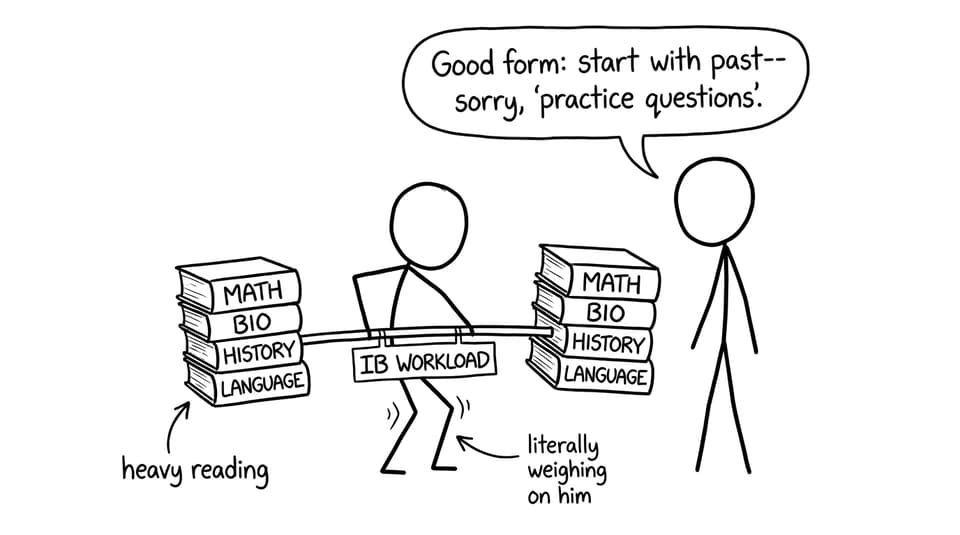
In IB, the fastest improvers aren’t the ones who “get it” immediately. They’re the ones who can look at a wrong answer and say: What pattern did I miss? That’s why practice questions matter so much.
A simple way to build this is to run short practice loops with the Questionbank, then ask AI Chat (Jojo) to explain the exact step where you drifted.
For a sustainable system, borrow the structure from How to Study for IB Exams: Step-by-Step Guide.
You can organize your time (even when motivation disappears)
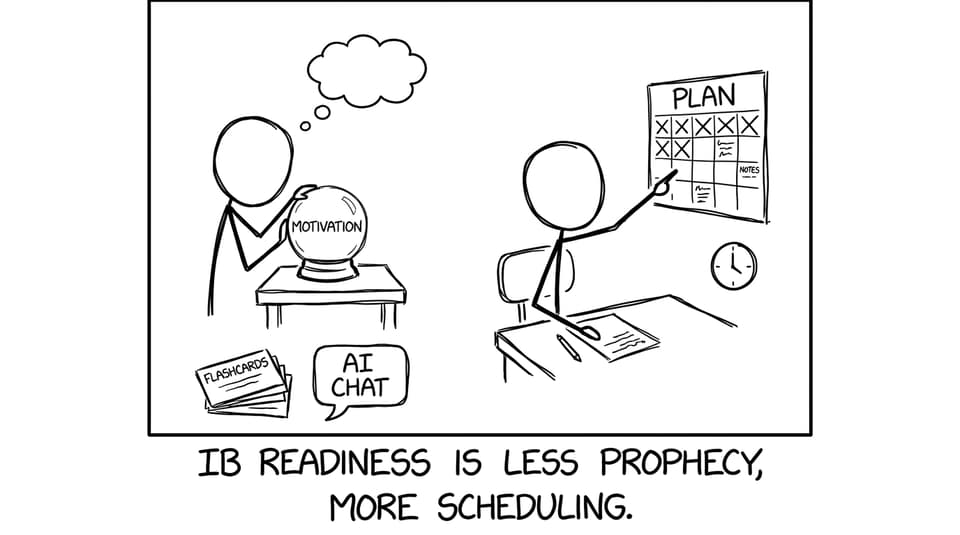
Motivation is unreliable. In IB, routines win.
If your notes are scattered, start with a repeatable method from IB Note-Taking Strategies, then turn key points into Flashcards. The goal is simple: fewer heroic study nights, more calm repetition.
To avoid the classic “I studied a lot but didn’t improve” trap, read How to Study for IB Exams Without Burning Out.
If you’re struggling in one area, you might still be IB-ready
Here’s the quiet truth: almost every IB student has one weak link at the start--writing speed, math foundations, lab analysis, time management, or confidence.
Being IB-ready doesn’t mean being perfect. It means having a plan for support:
-
Study Notes to patch understanding efficiently
-
Flashcards to keep facts and definitions from leaking away
-
AI Chat when you’re stuck and need a fast explanation
-
Grading tools for rubric-aligned feedback on EE/TOK/IA-style writing
-
Coursework Library to see what strong structure looks like
-
Mock Exams and Predicted Papers to build realistic exam stamina
-
Tutors when you need a human to diagnose the real problem (not the loudest symptom)
If you’re building a revision plan, The Ultimate Guide to Revision for IB Students connects these pieces into a weekly rhythm.
Conclusion: your IB readiness is a system, not a label
If you’re organized enough to keep showing up, curious enough to ask “why,” and willing to practice under pressure, you are closer to IB-ready than you think.
Make it concrete today: open RevisionDojo App: The Smarter Way to Prep for IB Exams, choose one subject, do a short Questionbank set, convert your top mistakes into Flashcards, and use AI Chat to close one stubborn gap. That’s IB readiness in real time--built, not declared.