
If you have ever sat down to revise for IB exams, worked hard for hours, then realized you cannot explain what you just “studied”… you are not lazy. You are normal.
The uncomfortable truth is that most IB students do plenty of work. They just do the kinds of work that feel productive (rereading, rewriting, highlighting) instead of the kinds that reliably build memory and exam performance.
Below are five IB revision hacks backed by learning science, plus the simplest way to run them inside RevisionDojo so your effort finally compounds.
The 30-second IB checklist (save this)
-
Choose one quiet setup and make it your default
-
Use spaced repetition instead of random review
-
Make active recall the center of each session
-
Work in short, timed sprints
-
Protect sleep like it is part of your revision plan
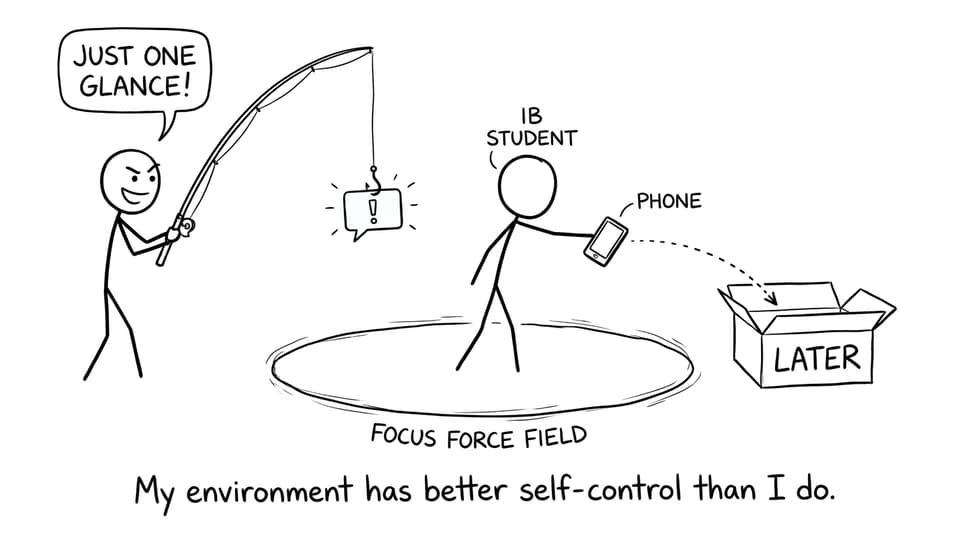
Hack 1: Let your environment do the discipline
Willpower is expensive. Your surroundings are cheaper.
For IB revision, aim for a study space that makes focus automatic: same desk, same lighting, minimal clutter, and your phone physically away. The point is not perfection. The point is removing tiny decisions that drain attention.
To make this easier, keep your resources in one place so you do not start every session by hunting for materials. Many students use RevisionDojo as the “single tab” for revision across subjects, then jump straight into Study Notes instead of negotiating with distractions.
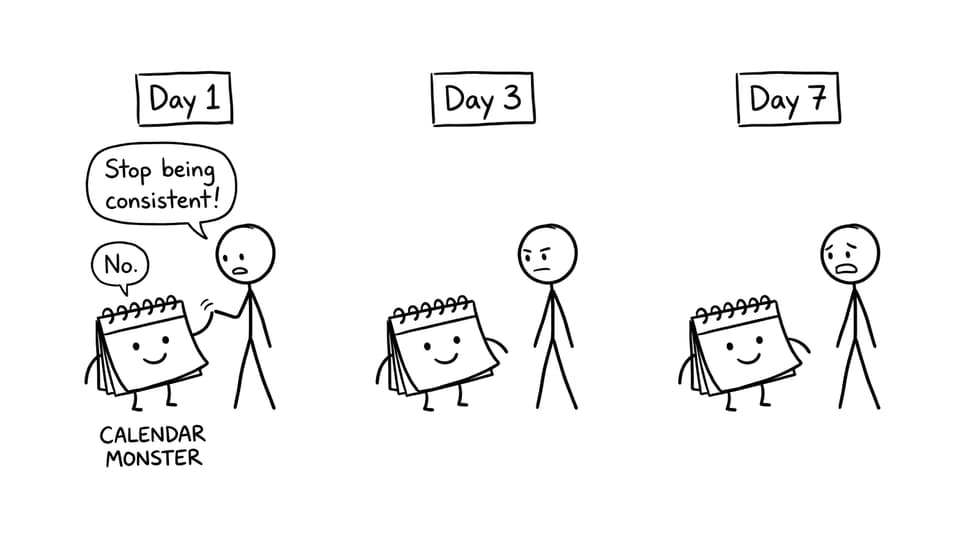
Hack 2: Spaced repetition beats cramming (quietly)
Most forgetting happens without drama. You feel confident today, then three days later it is gone.
Spaced repetition works because it schedules review right before you are likely to forget. Each revisit strengthens the memory and extends how long it lasts. This is one of the most evidence-supported strategies in learning science, and it is especially useful for IB content that piles up over months.
In RevisionDojo, spaced repetition becomes practical when you pair notes with Flashcards workflows and keep your review short but frequent.
Hack 3: Turn every session into active recall
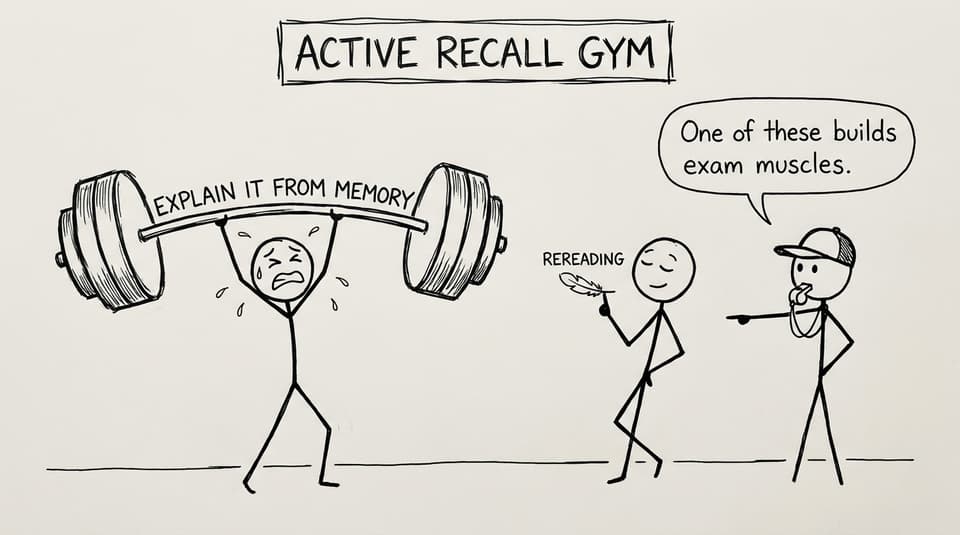
Recognition is a liar. Recall is proof.
Reading your notes can feel like understanding, but exams ask you to produce ideas, not recognize them. Active recall flips the session:
-
Answer before you look
-
Explain without notes
-
Mark gaps early
That discomfort is a signal your brain is doing the right work.
A simple IB pattern is: learn quickly, then test immediately. Use Digital IB Study Notes to understand a section, then switch to the Questionbank to prove you can apply it under exam-style pressure.
Hack 4: Study in short sprints that respect attention
Attention is not infinite. When you treat it like it is, the last hour becomes performative.
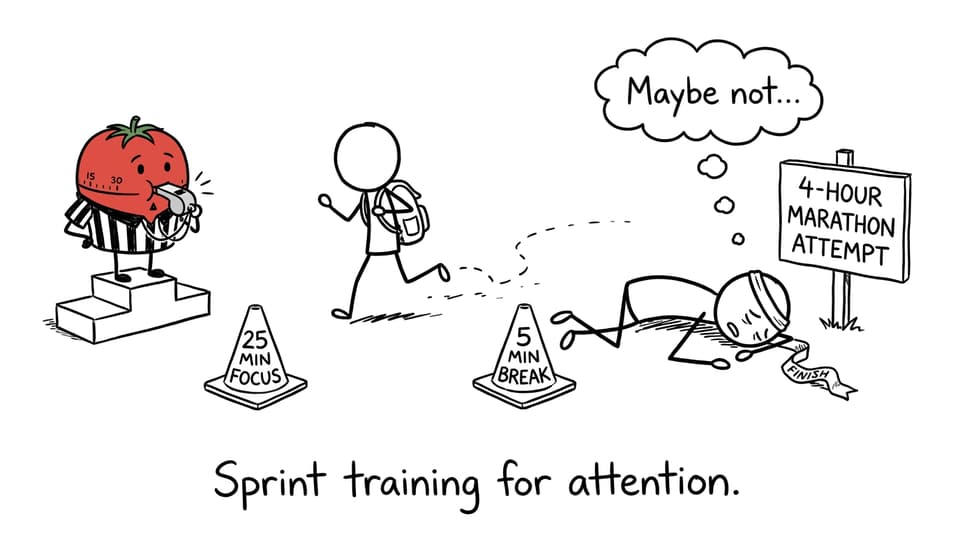
Short, timed sprints create urgency and protect clarity. For IB revision, try 25 minutes focused, 5 minutes break, repeat. After 3 to 4 rounds, take a longer reset.
RevisionDojo supports this well because you can do a small set of targeted questions, get feedback fast, and move on. If you want a full workflow that connects notes, recall, and practice, read RevisionDojo App: The Smarter Way to Prep for IB Exams.
Hack 5: Sleep is a study tool, not a reward
Sleep is when the brain consolidates memory and stabilizes learning. Cut sleep and you often get the worst of both worlds: longer hours and weaker recall.
For IB students, the most sustainable “hack” is a consistent sleep window during revision weeks. If you feel behind, do not steal hours from sleep first. Steal them from low-value studying (rereading, rewriting, scrolling for resources).
When coursework pressure competes with exam prep, RevisionDojo also helps by adding feedback loops through AI Chat, Grading tools, the Coursework Library, and Tutors so you can improve drafts without endless late nights. The mindset shift is subtle: treat energy as a resource, not a sacrifice.
The quiet advantage (and your next step)
These IB revision hacks are not dramatic. That is why they work.
Build an environment that makes focus easier. Use spaced repetition so you forget less. Center active recall so you can perform. Work in sprints so attention stays sharp. Sleep so learning sticks.
If you want all of that in one loop, RevisionDojo is built for it: Questionbank, Study Notes, Flashcards, AI Chat, Grading tools, Predicted Papers, Mock Exams, Coursework Library, and Tutors. Start small today: pick one topic, do 10 questions, review mistakes, and schedule the next recall session. Your future self will feel the difference.