



The moment a market surprises you
A price rises and sales still go up. Another time, a tiny discount causes a stampede. In IB Economics, those moments are the clue: the market isn’t random, it’s responsive. Understanding demand is how you turn “surprising” into “predictable.” It helps you forecast how consumers react to price changes, income shifts, trends, and expectations, the exact moves that drive market behaviour and show up in exam questions.
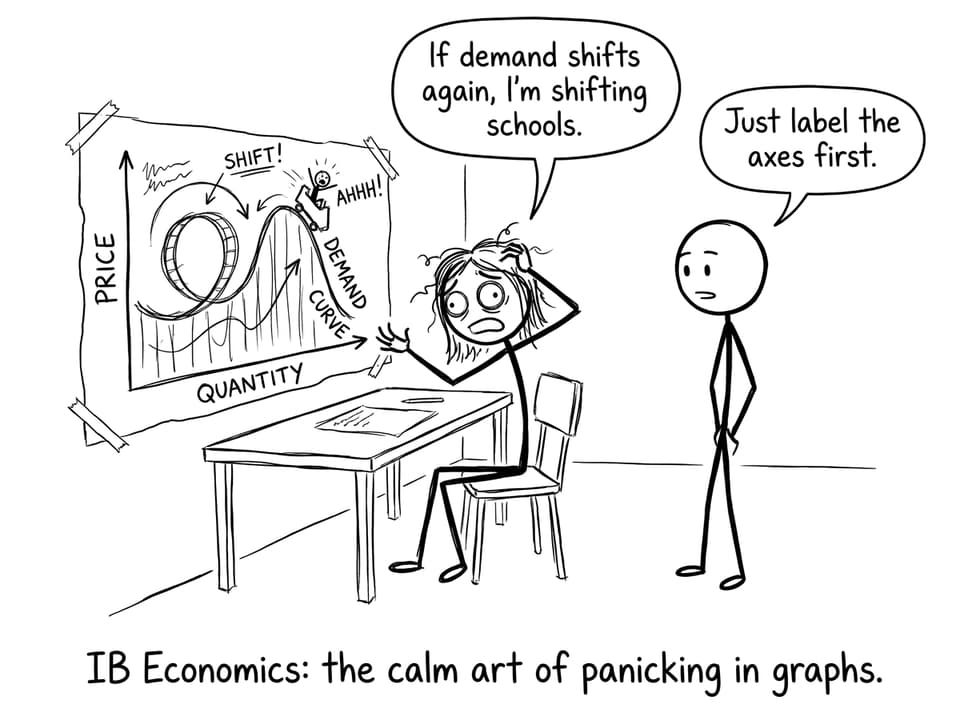
Quick exam checklist: what demand tells you
When you analyse demand in IB Economics, you’re really asking five forecast questions:
-
Will quantity demanded change because price changed (movement along the curve)?
-
Or did a non-price determinant change (shift of the curve)?
-
How sensitive are buyers (elastic vs inelastic)?
-
What happens to equilibrium price and quantity when demand changes?
-
What does this imply for business decisions and government policy?
If you need a clean syllabus refresher, start with 2.1 Demand and keep the 2.1 Demand Notes open while you practise.
Understanding demand in IB Economics: pricing stops being guesswork
Firms don’t just “pick” a price; they guess how buyers will respond. Demand analysis is how they guess less.
-
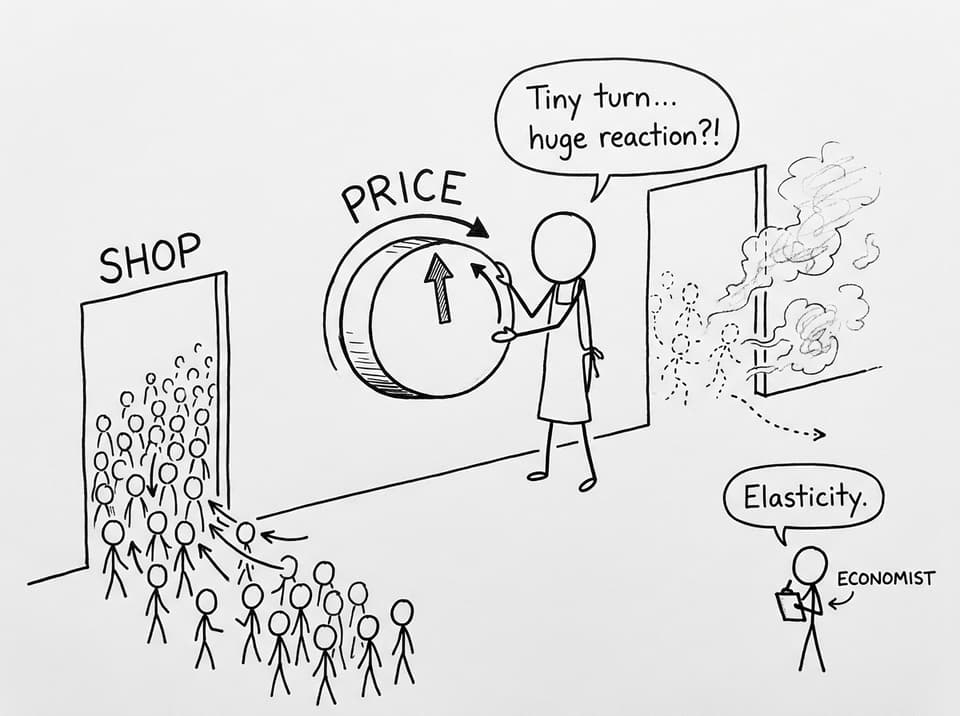
If demand is relatively inelastic, a price increase may raise total revenue because quantity demanded falls only a little.
-
If demand is relatively elastic, the same price increase can shrink revenue fast because consumers switch away.
That’s why demand links directly to elasticity. RevisionDojo’s Elasticities of Demand Flashcards are useful here: they turn definitions into quick recall so you can explain why revenue changes, not just state that it does.
Demand predicts sales, production, and those “why did this happen?” headlines
In IB Economics, demand is the bridge between the real world and your diagram. When demand rises (a rightward shift), firms often expand output, hire more labour, or invest. When demand falls (a leftward shift), inventories build up and production contracts.
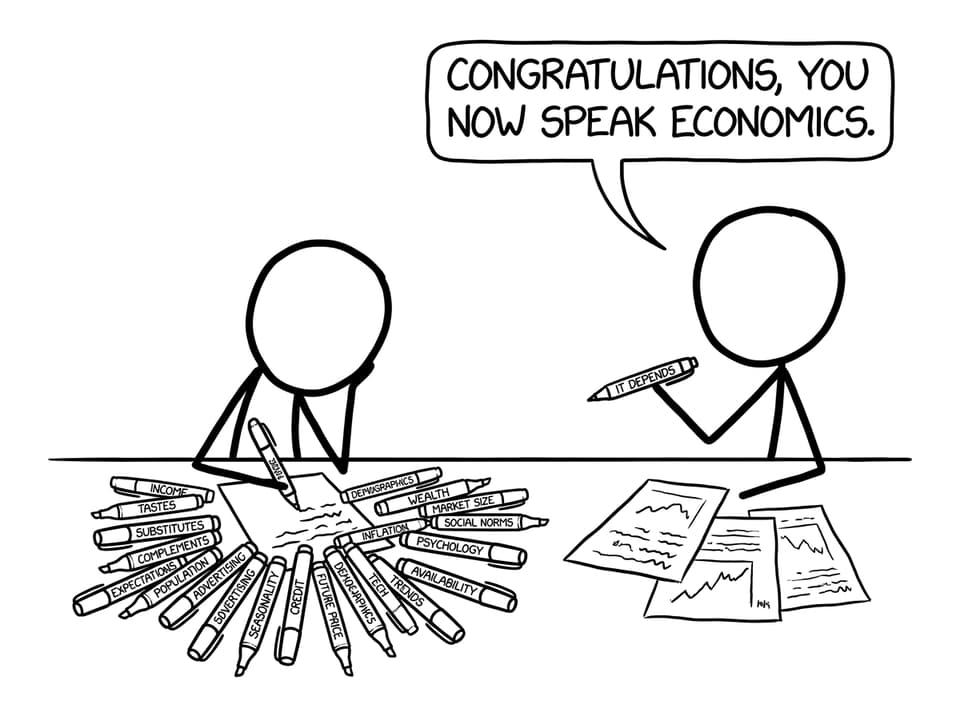
The most exam-friendly part: you can usually trace the change back to a determinant.
-
Income: rising income tends to raise demand for normal goods.
-
Tastes and preferences: trends can shift demand faster than price changes.
-
Substitutes and complements: a competitor’s price change can move your demand curve.
-
Expectations: if people expect prices to rise, demand may increase today.
To strengthen your explanations, use RevisionDojo’s micro foundations like Define Supply and Demand (Microeconomics Essentials) and the focused note on the Demand Curve.
Demand and market equilibrium: the prediction you’re always being tested on
A market’s “behaviour” is often just equilibrium moving.
In IB Economics, when demand shifts, equilibrium price and equilibrium quantity change. That change predicts shortages, surpluses, and the pressure on prices to adjust. This is why demand analysis is the core of diagram questions.
Use these to lock it in:
Conclusion: demand is the market’s “tell”
In IB Economics, understanding demand is essential because it explains how consumers respond, how firms price, how output decisions are made, and how equilibrium changes. Once you can spot whether a market is moving along a demand curve or shifting it, predicting market behaviour becomes a skill you can repeat under exam pressure.
If you want to make that skill automatic, RevisionDojo pulls it together in one place: syllabus-aligned Study Notes, Flashcards, an exam-style Questionbank, AI Chat for explanations, Grading tools for feedback, Predicted Papers, Mock Exams, and even a Coursework Library and Tutors when you need a human check. Start with the demand links above, then practise until the graphs stop feeling like surprises.