A quick hook: the “reasonable” choice isn’t always reasonable
You’ve seen it happen in real time. You walk into a shop, spot a price that looks wild, then suddenly the “discounted” option feels sensible. Or you delay a tough choice because the risk of feeling wrong seems bigger than the reward of being right.
In IB Economics, behavioural economics exists because the neat story of perfect rationality does not match how humans actually decide. We use shortcuts. We lean on emotion. We misread risk. And the surprising part is this: the mistakes are predictable. That is exactly why behavioural biases show up in exam questions, data response prompts, and evaluation paragraphs.
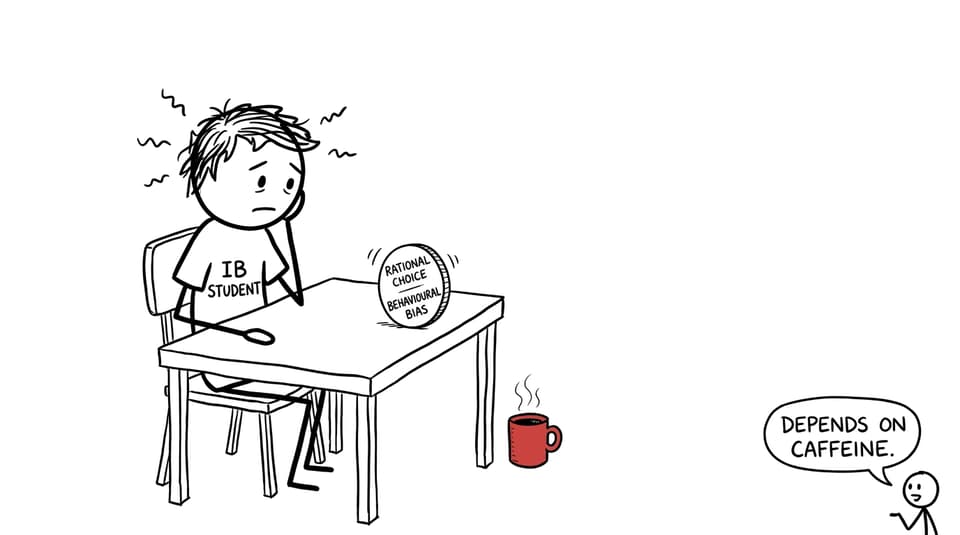
Behavioural biases checklist (exam-ready)
Use this fast checklist to revise behavioural biases in IB Economics:
-
Anchoring: first number sticks
-
Loss aversion: losses hurt more than gains feel good
-
Availability bias: vivid stories beat statistics
-
Confirmation bias: we collect “proof” for what we already believe
-
Framing: presentation changes preferences
-
Present bias: now wins over later
-
Social influence: we copy the crowd
If you want syllabus-aligned structure, start with IB Economics Resources and then zoom into Behavioural Economics in Action (HL Only).
Anchoring in IB Economics: the first number becomes the “truth”
Anchoring is when a consumer relies too heavily on the first piece of information they see (often a price) and adjusts insufficiently after that. In IB Economics, you can treat this as a reason demand may not respond “cleanly” to incentives or perfect information.
A classic example: a high “original price” makes a current price look like a bargain, even when the current price is still expensive relative to substitutes.
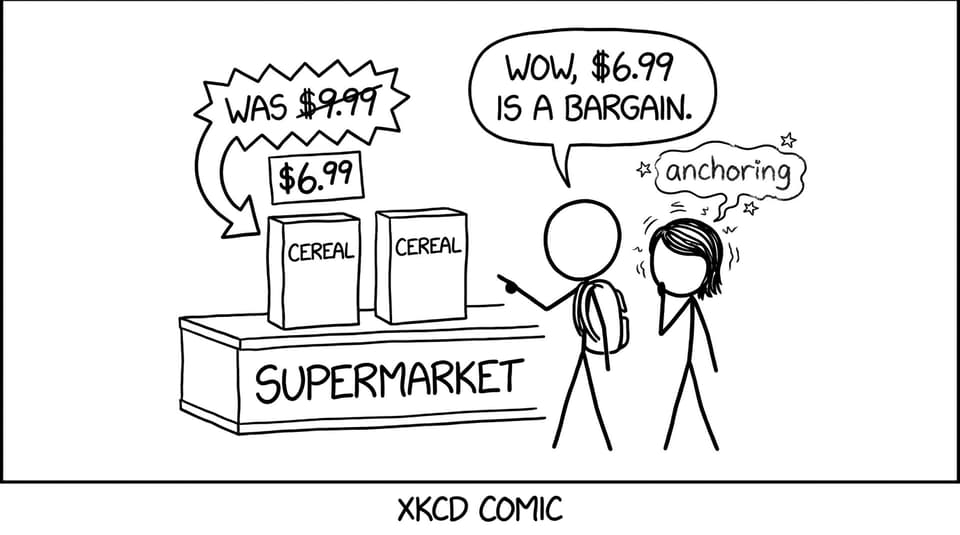
To write this well in an answer, pair the bias with a policy tool: choice architecture or nudges. RevisionDojo breaks that down clearly in Behavioural Economics in Action Notes.
Loss aversion: why “avoiding pain” beats “seeking gains”
Loss aversion means a loss feels larger than an equivalent gain. So people avoid losses even when the expected benefit is positive. In IB Economics, this helps explain why individuals may stick with inferior choices (like keeping a bad subscription) just to avoid the feeling of a loss.
It also connects naturally to real-world behaviours like over-insuring, holding onto declining investments, or refusing to switch providers even when switching is rational.
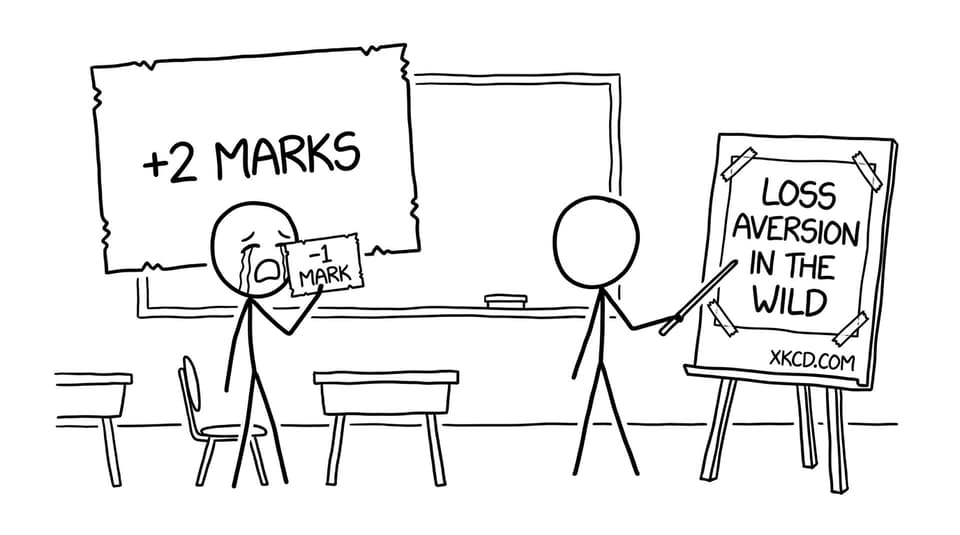
For definitions that keep your terminology precise, use IB Economics Key Definitions.
Availability, confirmation, and framing: three ways the mind edits reality
These three biases often appear in the same kind of exam explanation: “people are influenced by how information is processed, not just what the information is.”
Availability bias
We judge probability by how easily examples come to mind. A recent headline can outweigh base-rate statistics. In IB Economics, it’s a strong way to explain misperceived risk in consumer and policy contexts.
Confirmation bias
We search for information that supports our existing beliefs and ignore what challenges them. In markets, that can look like brand loyalty that ignores quality or price evidence.
Framing
Identical outcomes can lead to different choices depending on wording: “95% fat-free” feels different from “5% fat,” even though the information is the same. This is a direct bridge to choice architecture.
To connect biases to the broader micro unit, RevisionDojo’s Microeconomics hub is a clean map of where behavioural economics fits.
Present bias and social influence: why your future self keeps losing
Present bias is the tendency to overweight immediate rewards and underweight long-term benefits. It explains impulse buying, procrastination, and under-saving. Social influence is quieter but just as powerful: we imitate peers, follow trends, and respond to norms because belonging feels like a benefit.
This matters in IB Economics because it gives you realistic evaluation: policies can work better when they cooperate with human behaviour instead of fighting it.
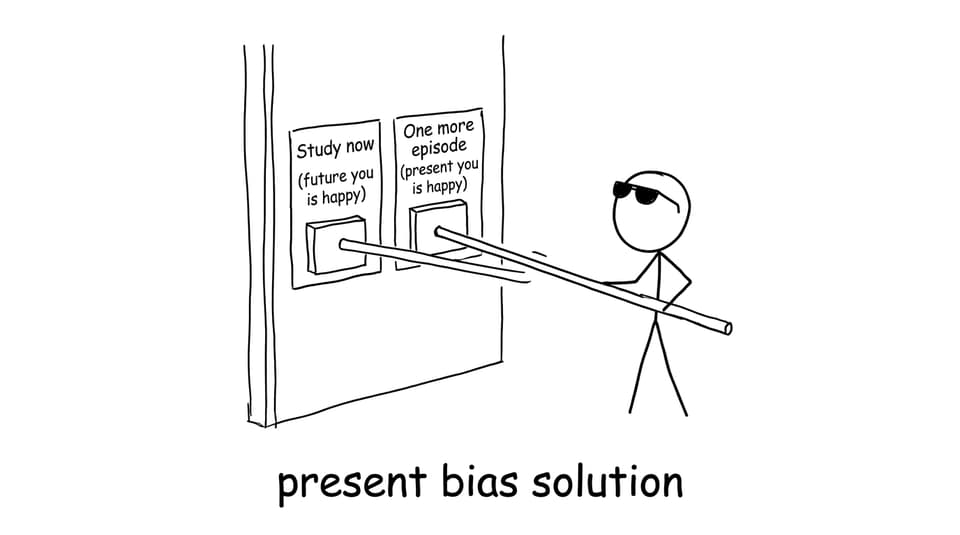
If you want practice that feels like the real exam style, use IB Economics 1: Introduction to Economics Questionbank and then branch into targeted micro practice like 2.1 Demand Questionbank.
Conclusion: turn predictable mistakes into predictable marks
Behavioural biases are not random quirks. They are patterns. And in IB Economics, patterns are exactly what you can revise, practice, and deploy under exam pressure.
If you want to lock this topic in, use RevisionDojo’s Study Notes, Flashcards, and Questionbank for quick loops, then test deeper understanding with AI Chat and Grading tools. When you can explain anchoring, loss aversion, framing, and present bias with calm clarity, you are not just learning IB Economics; you are learning how people actually choose.