


Markets love simple stories.
A buyer wants something. A seller provides it. Prices adjust. Everyone goes home satisfied.
Then real life shows up.
In IB Economics, governments intervene in otherwise free markets because the tidy textbook version can drift away from outcomes that are efficient, fair, or stable. Intervention isn’t automatically “good” or “bad”; it’s usually a response to specific problems, with trade-offs that examiners love to test.
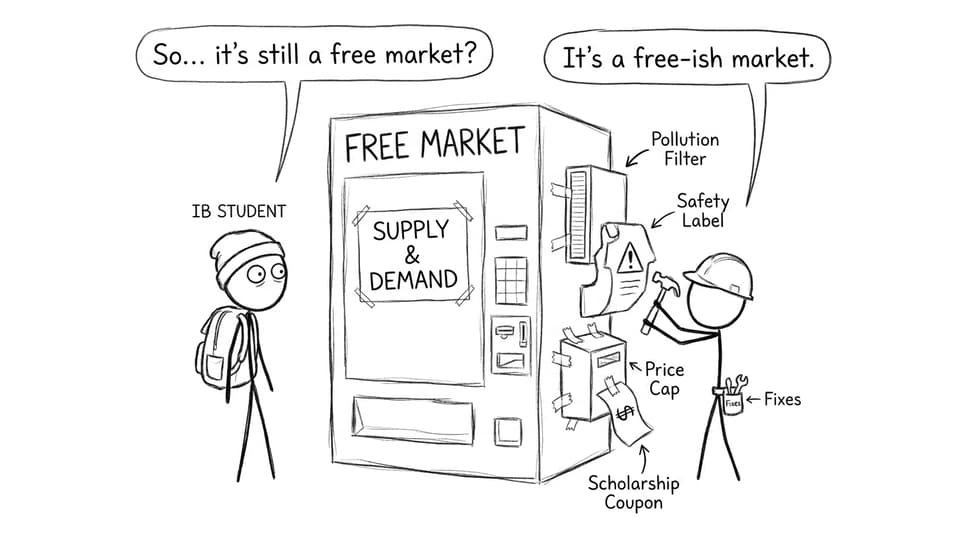
IB Economics quick checklist: the big reasons for intervention
Use this as a Paper 1 / Paper 2 planning tool in IB Economics:
-
Market failure (externalities, public goods, asymmetric information, market power)
-
Equity (reducing income inequality)
-
Stability (avoiding extreme price fluctuations and macro instability)
-
Strategic priorities (food security, energy security, key industries)
If you need the syllabus map, start with Economics - IB Resources.
Market failure: when prices tell the wrong story
A free market price only reflects private costs and private benefits. But IB Economics focuses on what happens when society pays or gains “in the background.”
Externalities (spillover effects)
Pollution is the classic example: firms may overproduce because the market price ignores external costs. Governments might respond with taxes, regulation, or permits to push outcomes closer to the social optimum.
To revise the logic and evaluation angles, use:
Asymmetric information and consumer protection
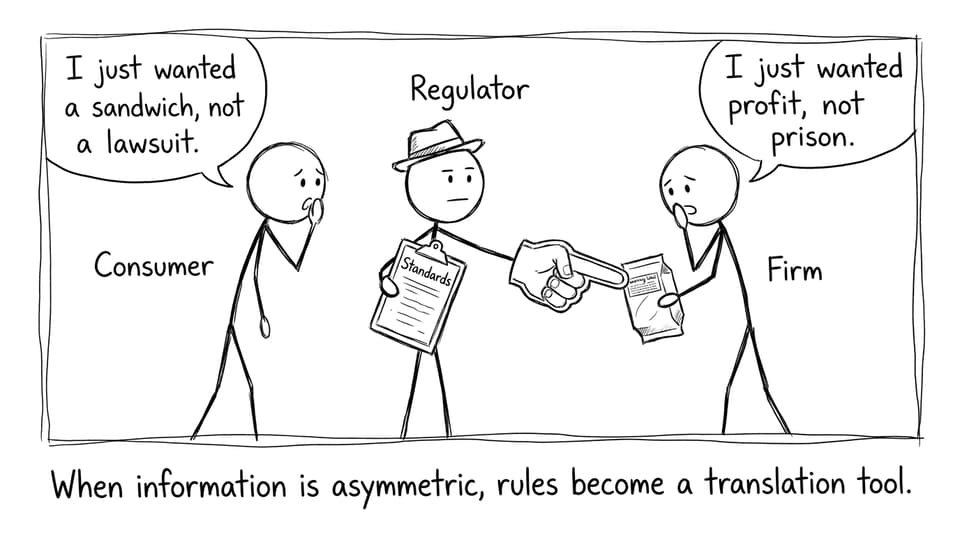
Sometimes one side of the market knows much more than the other (think finance, health products, or complex contracts). Regulation, standards, and disclosure rules exist to reduce harm and build trust.
Market power (HL focus)
When firms have significant market power, they can restrict output and raise prices, creating welfare loss. Governments respond with competition policy, regulation, or anti-trust rules.
Revise this with:
Equity and living standards: when outcomes feel “unfair”
Even if a market is efficient, it can still produce unequal outcomes. In IB Economics, governments may intervene through progressive taxation, transfers, or minimum wages to reduce poverty and improve living standards.
Practice equity-style evaluation with Economics of Inequality and Poverty Questionbank.
Stability: price controls and macroeconomic calm
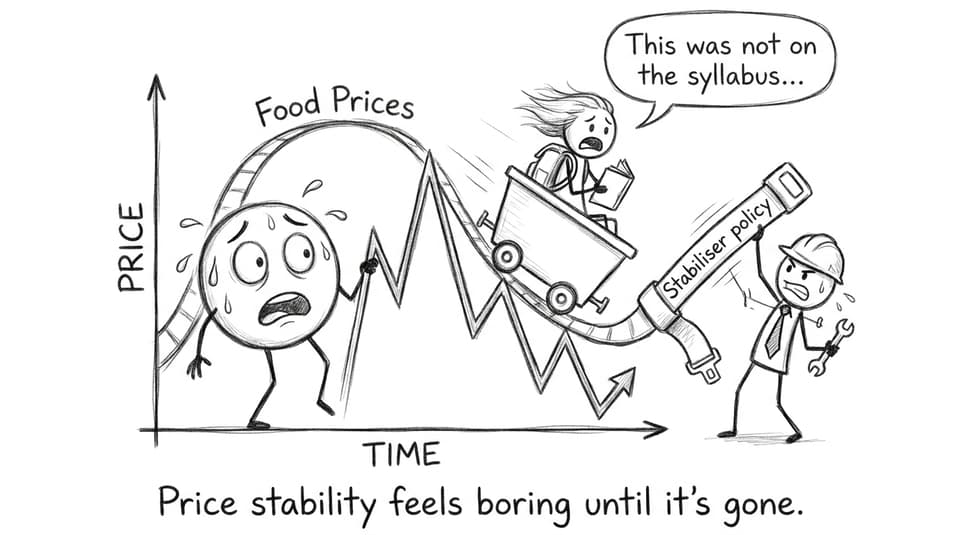
Some markets swing hard, especially essentials like food, fuel, and housing. Governments sometimes use price ceilings (maximum prices) to protect consumers or price floors (minimum prices) to protect producers. In IB Economics, you must always evaluate unintended consequences: shortages, surpluses, black markets, and weaker incentives.
Use this clear explainer: Why Do Price Ceilings and Price Floors Sometimes Create Unintended Consequences.
How to turn this into exam marks (fast)
In RevisionDojo terms, pair understanding with repetition:
-
Use the Questionbank to drill intervention questions under time pressure.
-
Consolidate definitions with the IB Economics Glossary.
-
When you write, ask: “What is the market failure? What policy fixes it? What are limitations?”
Conclusion: your IB Economics angle
When governments intervene, it’s usually because the market’s signals don’t match society’s goals: efficiency, fairness, or stability. In IB Economics, your job isn’t to cheer for markets or policies. It’s to diagnose the problem, explain the mechanism, and evaluate the trade-offs.
If you want to turn this into confident exam writing, build your routine on RevisionDojo: learn the core theory with Study Notes and Flashcards, pressure-test it with the Questionbank and Mock Exams, and use AI Chat and grading tools to tighten your diagrams and evaluation. That’s how intervention stops being a topic you “kind of get” and becomes marks you can reliably earn.