


If you have ever listened back to a recording and thought, “This sounded better in my head,” you are already living inside IB Music. The course rewards musicians who can do something rarer than talent: notice what happened, name why it happened, and adjust with intention. A Level 7 is not a mysterious “gifted” outcome. In IB Music, it is the result of balance across components, clear evidence of process, and reflection that sounds like a real person making real decisions.
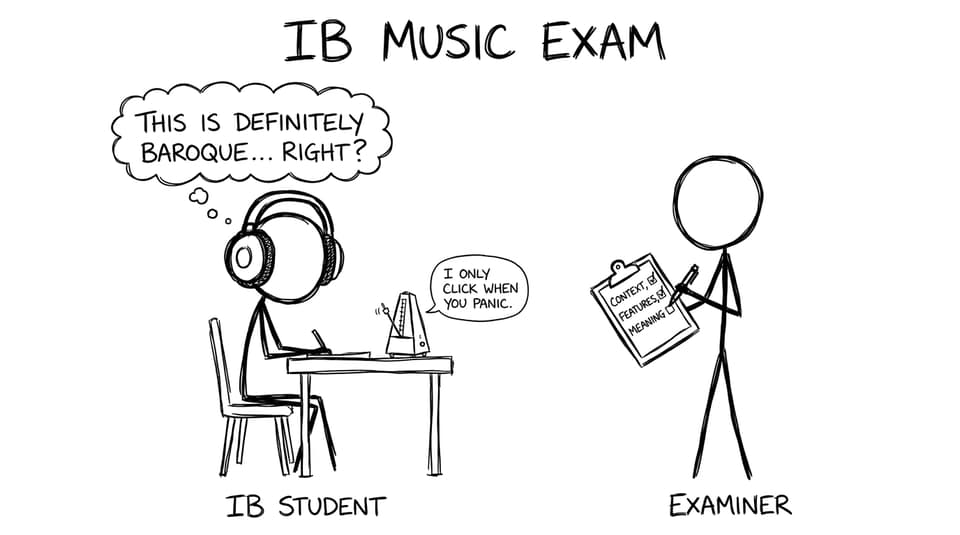
Level 7 IB Music checklist (save this)
To push your IB Music work into the top markbands, audit your portfolio weekly:
-
Balance: Performing, Creating, and Exploring all look equally cared for.
-
Originality: your musical voice is present, not just imitation.
-
Control: technique and structure are deliberate, not accidental.
-
Culture + context: sound is linked to meaning, place, and purpose.
-
Reflection: you explain decisions, revisions, and growth with specifics.
-
Presentation: your portfolio is easy for an examiner to navigate.
If you want a bigger-picture view of requirements before you fine-tune, keep the IB Music course overview nearby: IB Music syllabus breakdown.
Balance the three components of IB Music (and connect them)
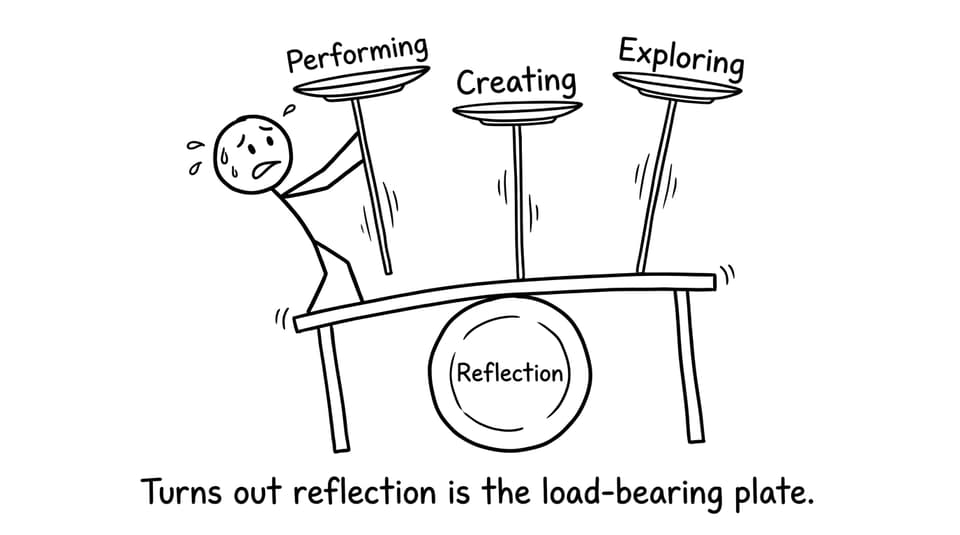
A common Level 6 trap in IB Music is having one brilliant component and two that feel like obligations. Examiners read your work as a single story: what you explored should influence what you create; what you perform should sharpen what you notice; what you reflect on should connect everything.
Start by learning what top portfolios consistently show. This guide is worth using as your “rubric compass”: What examiners look for in IB Music portfolios.
Performing: aim for expression, not perfection
A Level 7 performance in IB Music is rarely flawless. It is owned. Technical security matters (rhythm, intonation, ensemble precision), but the higher marks come when interpretation is informed by style and research.
Use this as your performance benchmark list: What examiners look for in IB Music performances.
Creating: show musical decision-making, not just experimentation
Creating in IB Music is not about being “weird enough” to look creative. It is about making choices you can defend: structure, harmonic language, texture, technology, and influence.
When you revise a piece, keep a tiny log: what you changed, why, and what it improved. That log becomes your marks later.
For composing standards and common pitfalls, use: What examiners look for in IB Music compositions and Best resources for IB Music composition.
Build Level 7 analysis for IB Music listening and exploring
In IB Music, analysis is not a list of features. It is an argument: these musical choices create this effect, in this cultural setting, for this purpose.
Two fast upgrades:
-
Timestamp everything (0:12, 1:05, 2:41). Vague analysis reads like guessing.
-
Compare with intention: pick works that make a meaningful contrast, not just different genres.
Use these for structured practice:
Reflection: the simplest Level 7 multiplier in IB Music
Reflection is where Level 7 portfolios separate themselves in IB Music. Not because they are longer, but because they are more honest and specific.
Try this reflection sentence starter after any rehearsal, draft, or listening session:
-
I noticed… (one precise musical observation)
-
I changed… (one decision you made)
-
Because… (your reason, linked to effect and context)
-
Next time I will… (a measurable action)
If you struggle to write program notes that sound professional (and not like a diary), follow: How to write program notes for IB Music compositions.
Make your IB Music portfolio examiner-friendly
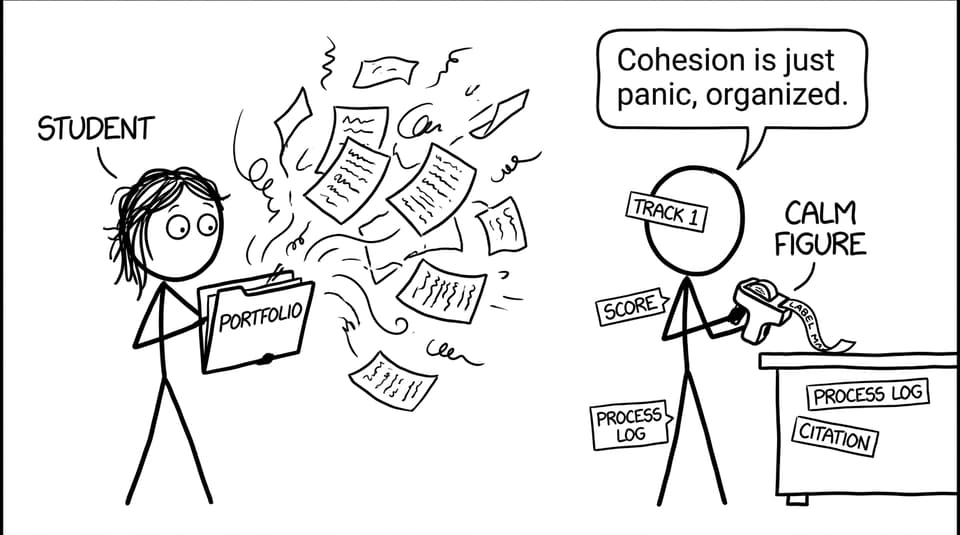
An examiner should never have to hunt. Cohesion is not aesthetic; it is kindness.
Do a weekly “portfolio audit” and label everything consistently: track numbers, scores, drafts, citations, reflections.
For routines that keep you steady when deadlines pile up, use: Best study routines for IB Music coursework deadlines.
How RevisionDojo helps you reach Level 7 in IB Music
RevisionDojo is built for the exact loop that produces Level 7 outcomes in IB Music:
-
Drill skills with the Questionbank
-
Lock memory with Flashcards
-
Get unstuck fast with AI Chat
-
Improve drafts with Grading tools and the Coursework Library
-
Build confidence with Predicted Papers and Mock Exams
-
Get strategic support from Tutors when you need a human reset
To stay focused on Music-specific improvement, browse: All IB Music posts.
Final note: make IB Music feel familiar before it feels hard
A Level 7 in IB Music is built the same way a piece is built: small sections, revised with care, then connected into a complete performance. Balance your components, analyze with context, and reflect like a musician who learns on purpose.
If you want that entire workflow in one place, RevisionDojo gives you the tools to practice, organize, and improve fast: Questionbank, Study Notes, Flashcards, AI Chat, Grading tools, Predicted Papers, Mock Exams, Coursework Library, and Tutors, so your IB Music portfolio reads like mastery, not last-minute survival.