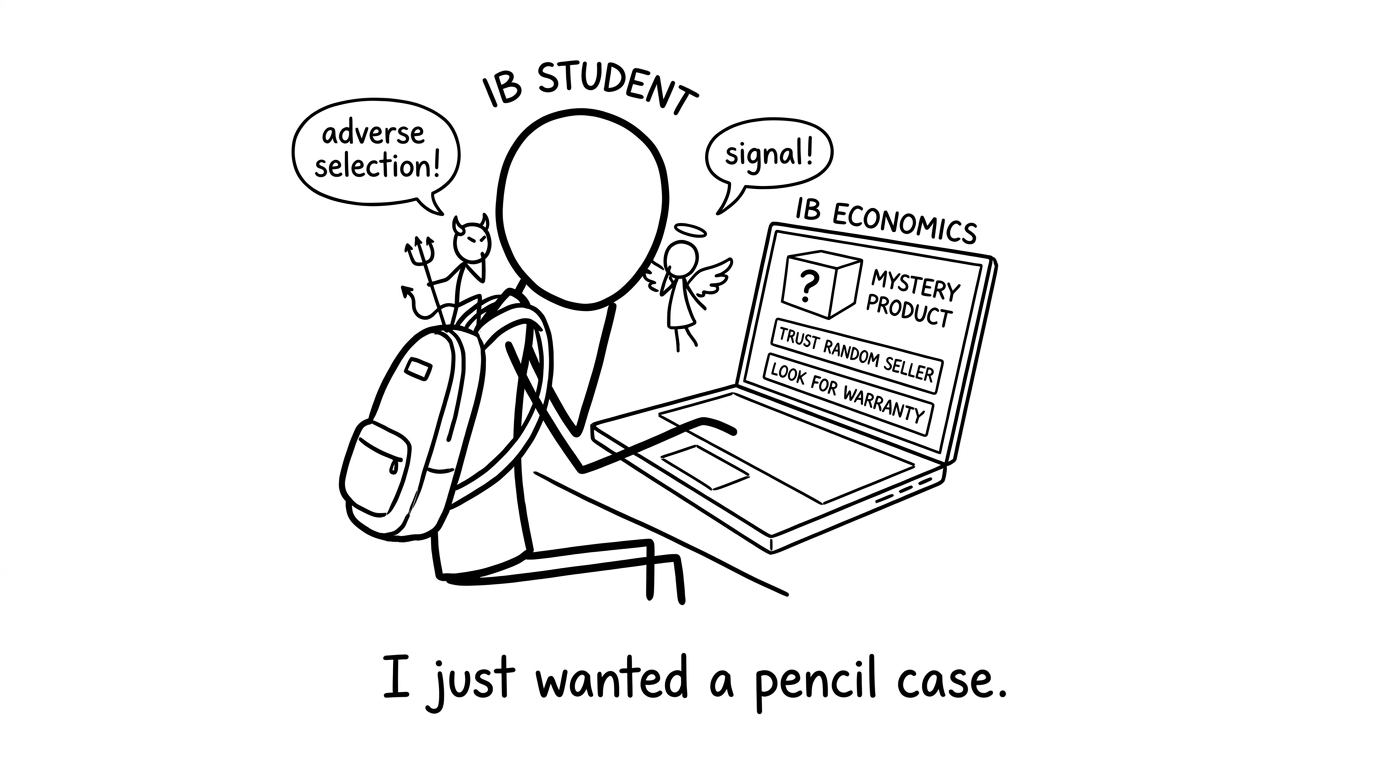
You know that uneasy feeling when you are about to buy something and realize the seller knows way more than you do? In IB Economics, that discomfort has a name: asymmetric information. And it matters because when buyers cannot judge quality, good products can get priced like average ones, trust collapses, and the market starts rewarding the wrong behaviour.
Two quiet heroes often show up to fix the problem: warranties and signalling. They are not magic. But in IB Economics, they are among the clearest examples of how real markets try to rebuild credibility when information is uneven.
IB Economics quick checklist: what examiners want
Use this mini checklist to structure a strong response:
-
Define asymmetric information and link it to market failure/inefficiency
-
Explain how warranties reduce risk and act as a screen for quality
-
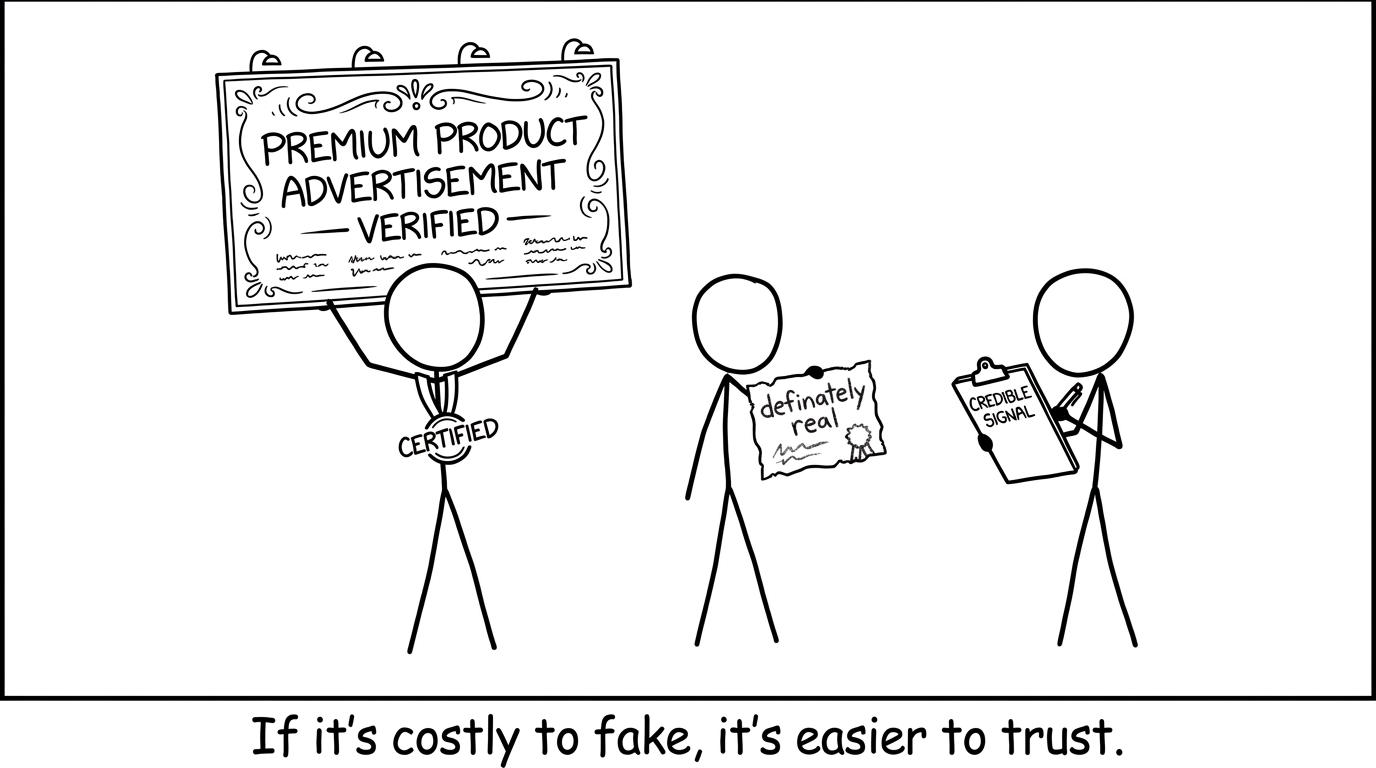
Explain how signalling works because it is costly or hard to fake
-
Link both to reduced adverse selection and improved market efficiency
-
Use a simple real-world example (used cars, electronics, education, healthcare)
For quick definitions you can quote precisely, keep the IB Economics Key Definitions nearby.
Warranties in IB Economics: confidence you can verify
A warranty is a seller’s promise to repair, replace, or compensate if a product fails within a certain time. In IB Economics, warranties solve information problems for two reasons.
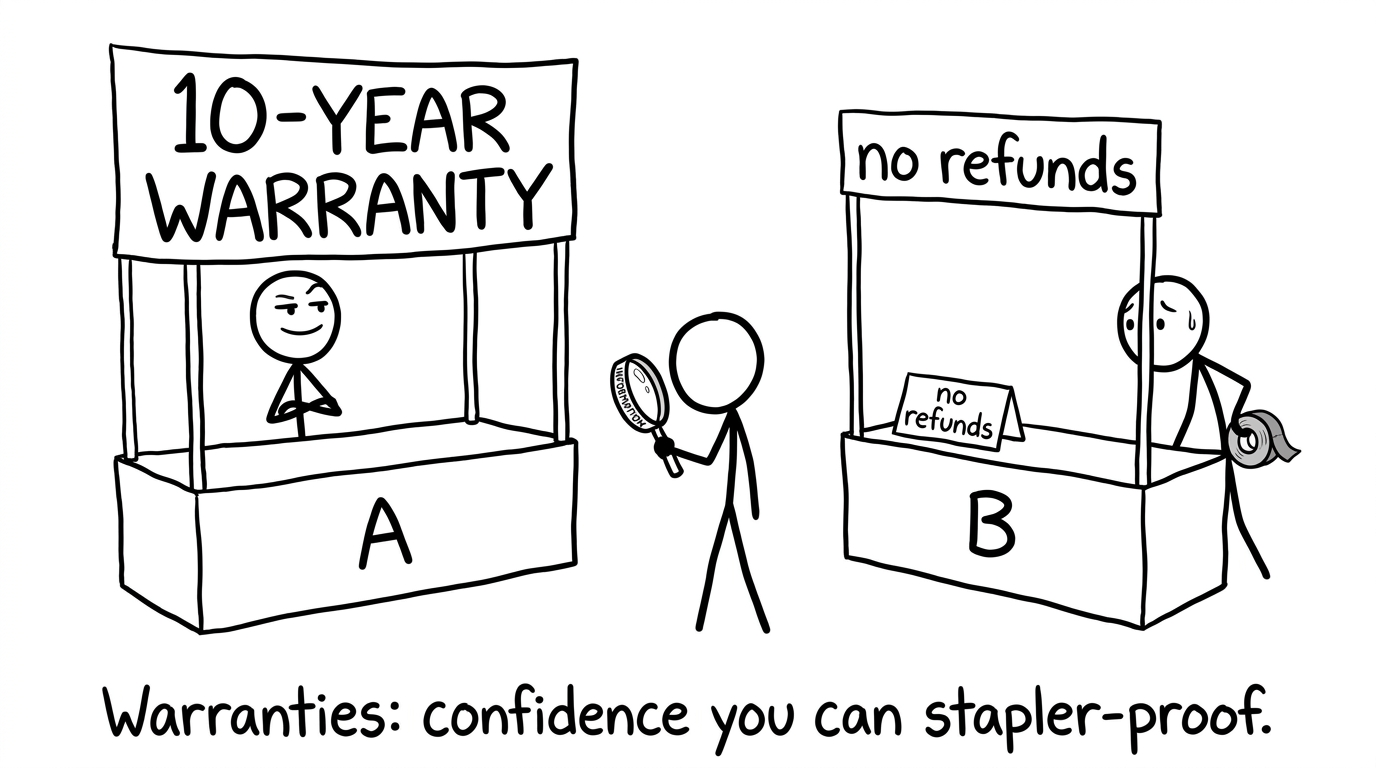
First, they reassure buyers. If you cannot observe quality today, a warranty gives you protection tomorrow. That shifts the psychological barrier from “I might get stuck with a lemon” to “If it breaks, the seller pays.”
Second, warranties act as a screening mechanism. High-quality firms are more willing to offer strong warranties because they expect fewer failures and lower costs. Low-quality firms hesitate because generous warranties would become expensive fast. That difference helps buyers separate higher-quality goods from lower-quality ones, reducing .