


The moment a graph starts “behaving differently”
In IB Economics, subsidies are one of those policy tools that feel abstract until you picture a real producer making a real decision. Imagine a small solar panel firm watching its costs climb: materials, wages, shipping. Then a government subsidy arrives. Nothing about consumer taste changes overnight, but suddenly the firm’s options widen. It can produce more, take risks it avoided last month, and even cut its selling price without panicking.
That’s the heart of the topic: subsidies change incentives for producers by changing the cost and reward structure they face.
Quick exam checklist (what you must say)
For IB Economics exam answers, hit these points fast:
-
Define a subsidy: government financial support to firms (or households) to encourage production/consumption.
-
Explain costs fall (lower average and/or marginal costs).
-
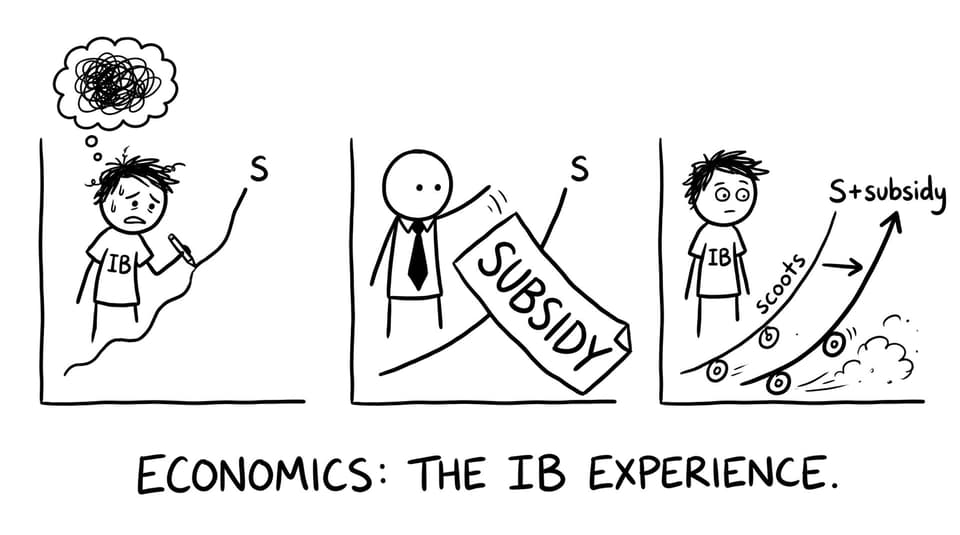
Show supply shifts right (S to S + subsidy).
-
State outcomes: lower consumer price, higher output, producers receive an effective higher price (price paid by consumers + subsidy).
-
Evaluate: government spending, possible overproduction, dependency, misallocation.
A good place to lock the diagram logic is RevisionDojo’s notes on Impact of subsidies on markets.
How subsidies change incentives for producers (the mechanisms)
Lower costs change the “worth it?” calculation in IB Economics
A per-unit subsidy reduces production costs, so at every price level firms are willing and able to supply more. In diagram terms (very IB Economics), this is a rightward shift of supply. If you need a quick refresher on how to draw and label supply properly, use The supply curve notes.
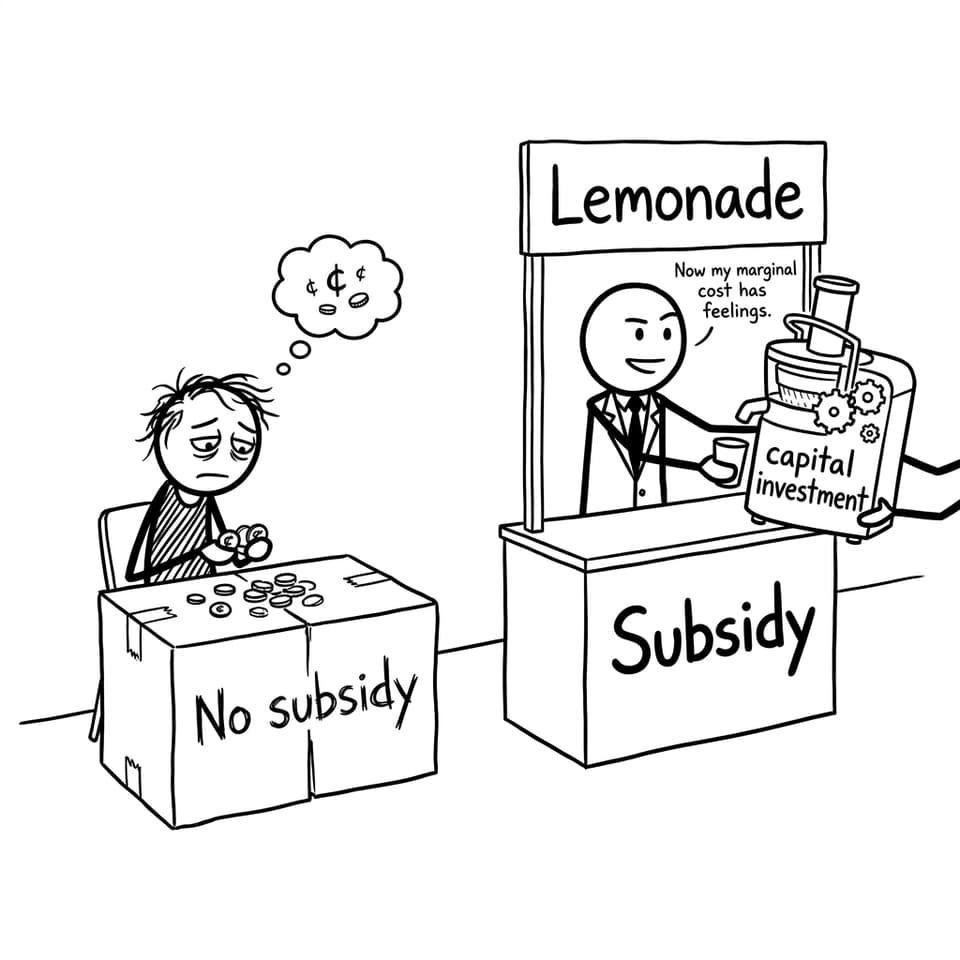
Lower costs also reduce financial pressure. Projects that were barely unprofitable become viable. That’s an incentive to expand capacity, invest in better equipment, and hire.
Higher profitability encourages output and entry
Because producers can receive a higher effective price (market price + subsidy), profitability rises. That incentive matters in competitive markets, where firms survive on thin margins.
Subsidies can also encourage new firms to enter. When entry becomes less risky, markets can become more dynamic: more experimentation, more innovation, more capacity.
If you want the IB syllabus framing of subsidies (including export subsidies), see IB Economics 4.2.3 Subsidy/export subsidy.
Risk reduction in volatile markets
Some sectors face huge uncertainty: weather for agriculture, global prices for energy, seasonal demand for transport. A subsidy can stabilize expected revenue, nudging producers to keep producing rather than cutting back during bad periods.
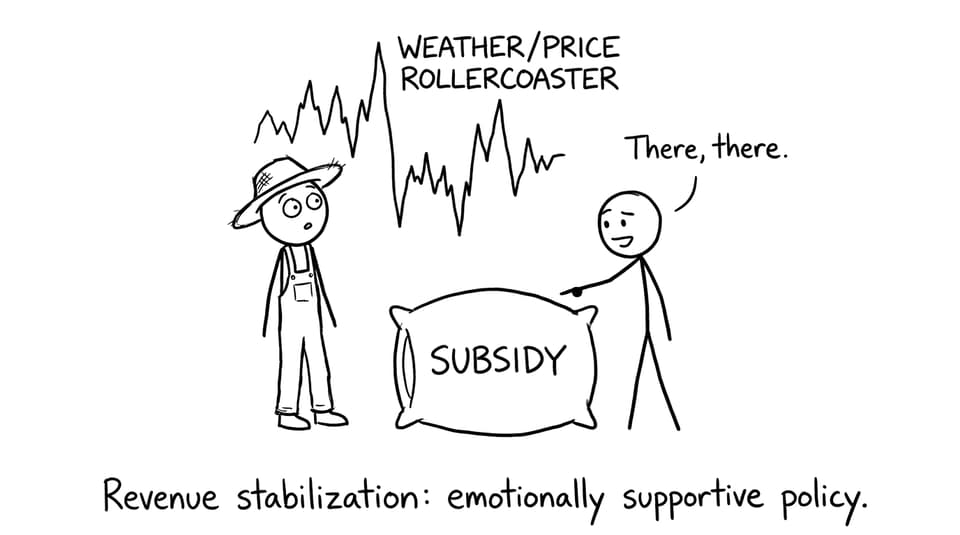
In IB Economics, this becomes a great evaluation point: stabilizing supply can protect jobs and continuity, but it can also hide true market signals.
Subsidies and positive externalities (why governments bother)
Subsidies are often justified when production creates positive externalities (benefits to third parties). Clean energy, public transport, vaccines, and education-style training can all be framed this way. The incentive changes because society is effectively “sharing the bill,” pushing output closer to the socially efficient level.
For broader context on intervention tools that sit next to subsidies, RevisionDojo’s Role of government in microeconomics Questionbank is ideal practice.
The unintended incentives you should evaluate
Even in IB Economics, the best answers show trade-offs:
-
Overproduction and allocative inefficiency if the subsidy is too large.
-
Government opportunity cost: spending here means less elsewhere.
-
Dependency: firms may stop innovating if support is guaranteed.
-
Resource misallocation: subsidized industries can pull labor and capital away from higher-value uses.
To connect this back to fundamentals, revisit Define supply and demand.
Bringing it home (and what to do next)
In IB Economics, subsidies are really a story about changed incentives: lower costs, higher expected profit, more willingness to produce, and a supply curve that shifts right. But the best students also see the second chapter: distorted signals, budget costs, and the risk of creating industries that can’t stand on their own.
If you’re preparing for exams, build this topic in layers on RevisionDojo: learn the core theory with Study Notes, test it in the Questionbank, reinforce definitions with Flashcards, and sharpen evaluation with Mock Exams, Predicted Papers, and AI Chat. When you practice this way, IB Economics stops being a set of diagrams and becomes a set of decisions you can explain clearly under time pressure.