


A quick hook: the budget is smaller than the needs
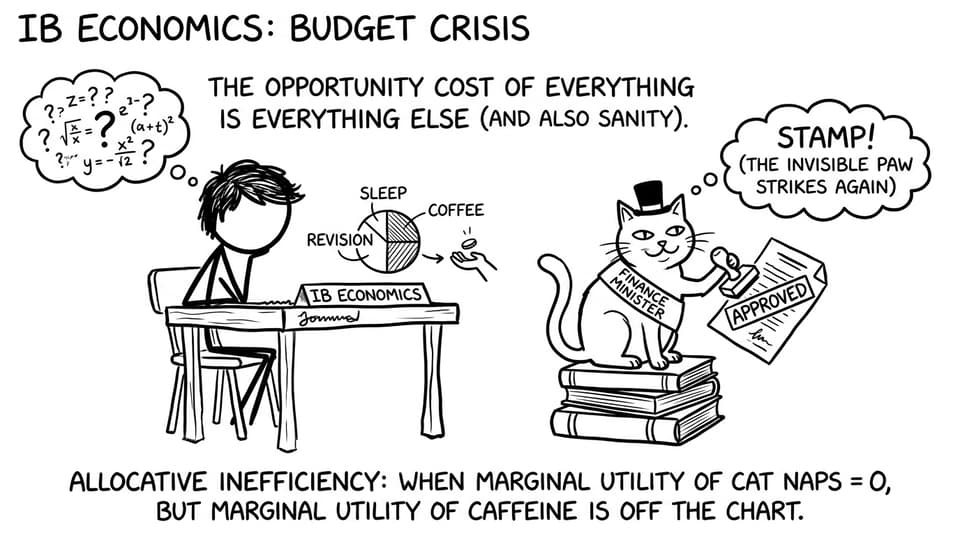
In IB Economics, public goods sound simple until you imagine the meeting where someone has to choose between safer streets, cleaner water, better flood defenses, and faster internet. The hard part isn’t knowing what a public good is. The hard part is deciding what gets funded first when tax revenue and political attention are limited. That decision is where market failure turns into real-world trade-offs -- and where exam answers become much sharper.
The IB Economics checklist (what examiners want you to say)
When explaining how governments choose public goods, IB Economics answers usually hit these points:
-
Market failure reason: public goods are non-excludable and non-rivalrous, so private provision is unlikely.
-
Social benefits and positive externalities: who gains beyond the direct user?
-
Cost-benefit analysis: do total expected benefits exceed total costs?
-
Public demand and preferences: what do citizens actually want?
-
Equity and fairness: who would be left out without funding?
-
Long-term priorities: growth, resilience, security, sustainability.
-
Fiscal constraints: the budget cap is real.
If you need a clean definition and examples, use this guide: What Are Public Goods? (IB Economics Market Failure).
Why governments step in at all (free riders, in one sentence)
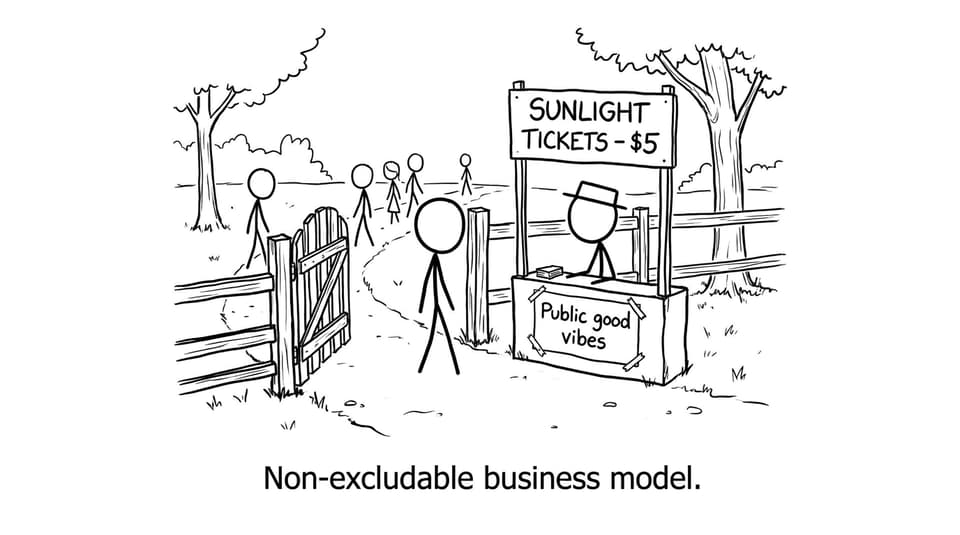
A public good can’t easily be sold only to payers, so people can free ride. In IB Economics, that’s the core logic: if firms can’t collect revenue, supply will be underprovided or missing entirely. That’s why governments fund things like street lighting and national defense.
For syllabus-aligned support, see: IB Economics Topic 2.9: Market Failure -- Public Goods.
How governments decide: the real decision filters
Social benefit: who gains, and how widely?
The first filter is scale. Governments lean toward public goods that raise wellbeing for large groups, especially when benefits spill over to non-users. In IB Economics language, you’re looking for strong marginal social benefit (MSB) relative to private benefit. Think public parks, clean water systems, street lighting, or disease monitoring.
To connect public goods to wider market failure, review: 2.8 Market failure notes (externalities, public goods, more).
Cost-benefit analysis: efficiency with numbers attached
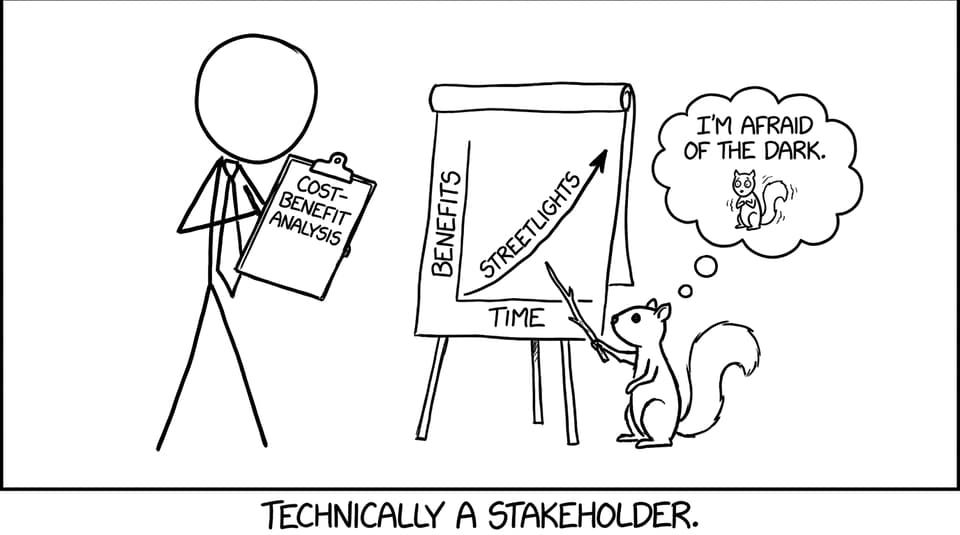
Governments often use cost-benefit analysis (CBA): estimate total benefits (health, safety, productivity, time saved) and compare them to total costs (construction, maintenance, opportunity cost). In IB Economics, this is how you show allocative efficiency thinking, even if the numbers are imperfect.
A useful companion concept is resource allocation itself: Resource Allocation (IB Economics notes).
Public demand: what citizens value (and will accept paying for)
Even when something is clearly a public good, governments still need legitimacy. Preferences show up through elections, consultations, surveys, and local budgeting. For IB Economics essays, this is where you can evaluate: demand can be noisy, short-term, or influenced by misinformation.
Equity: who is protected when access is universal?
Public goods can quietly reduce inequality: everyone benefits regardless of income. In IB Economics, equity is a separate objective from efficiency, and strong answers explain the tension between the two. A project might be efficient but unfair, or fair but expensive.
This links well to the broader role of the state: Role of Government in Microeconomics (notes).
Strategy and long-term priorities: growth, security, resilience
Some public goods are funded because the alternative is fragile: flood defenses, cybersecurity infrastructure, scientific research networks, or national defense. The benefits are long-term and uncertain, which is exactly why private markets may underinvest.
If you want to connect this to policy tools, see: Explain Fiscal Policy (IB Economics guide).
Fiscal constraints: the final gate
A government can agree something is valuable and still delay it. Debt levels, tax capacity, and competing priorities all matter. In IB Economics, this is a clean evaluation point: even “good” interventions face trade-offs, opportunity costs, and implementation lags.
How to turn this into exam marks fast
-
Define public goods (non-excludable, non-rivalrous) and name the free rider problem.
-
Use MSB/MSC language to show social welfare reasoning.
-
Evaluate with budget limits and government failure risks.
-
Add one grounded example (street lighting, clean water, defense, parks).
To practice with exam-style prompts, use RevisionDojo’s 2.8 Market Failure Questionbank and 2.7 Role of Government Questionbank.
Conclusion: public goods decisions are really decisions about trade-offs
In IB Economics, governments fund public goods because markets won’t do it well, but deciding which public goods to fund is a constant exercise in weighing social benefit, cost-benefit analysis, public preferences, equity, strategy, and budget limits. If you can explain those filters clearly, you can handle most Paper 1 and Paper 2 questions on public goods and government intervention.
To revise faster, build answers, and practice examiner-style thinking, use IB Economics resources on RevisionDojo -- especially the Study Notes, Flashcards, AI Chat, Questionbank, and Mock Exams. When you’re ready to level up evaluation, RevisionDojo Tutors and Grading tools help you turn good theory into top-mark structure.
