


The quiet superpower behind monetary policy
If you have ever watched your class argue about inflation, you have seen the real battleground: not the interest rate itself, but belief. In IB Economics, central bank credibility is the invisible asset that makes policy work before a single loan rate changes. When households and firms trust that inflation will be kept under control, they set wages and prices with less panic. Expectations stay anchored. And the economy becomes easier to steer.
That is why credibility matters so much in IB Economics exam answers: it explains why central banks can sometimes calm an overheating economy with signals and guidance, not just dramatic rate hikes.
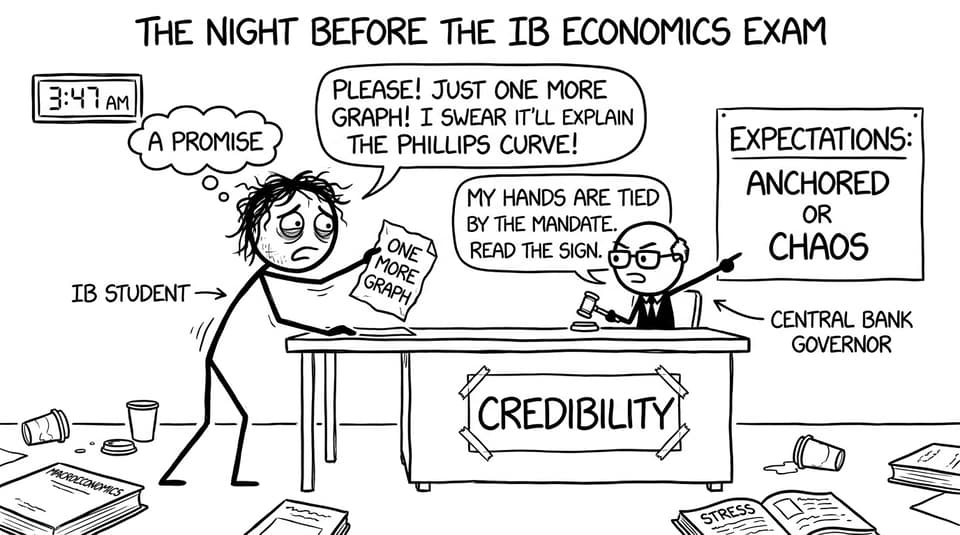
Quick exam checklist: what builds credibility?
For IB Economics, you can usually group credibility into a simple framework:
-
A clear rule or target (often inflation targeting)
-
Consistent actions over time
-
Independence from short-term politics
-
Transparent communication and forward guidance
-
A track record of hitting objectives (or explaining misses convincingly)
If you want the syllabus-aligned version, review Monetary policy and short-term demand management and the matching 2-minute monetary policy notes.
Policy consistency: “do what you said you would do”
Credibility grows when a central bank follows a stable framework that people can predict. In IB Economics, inflation targeting is the classic example: the bank commits to a low, stable inflation rate and adjusts policy to keep inflation near that goal. The key is not perfection; it is reliability. When the public can anticipate the reaction function (how the bank responds to shocks), uncertainty falls.
A useful supporting link for definitions in IB Economics is the RevisionDojo glossary, especially for terms like “inflation targeting” and “forward guidance.”
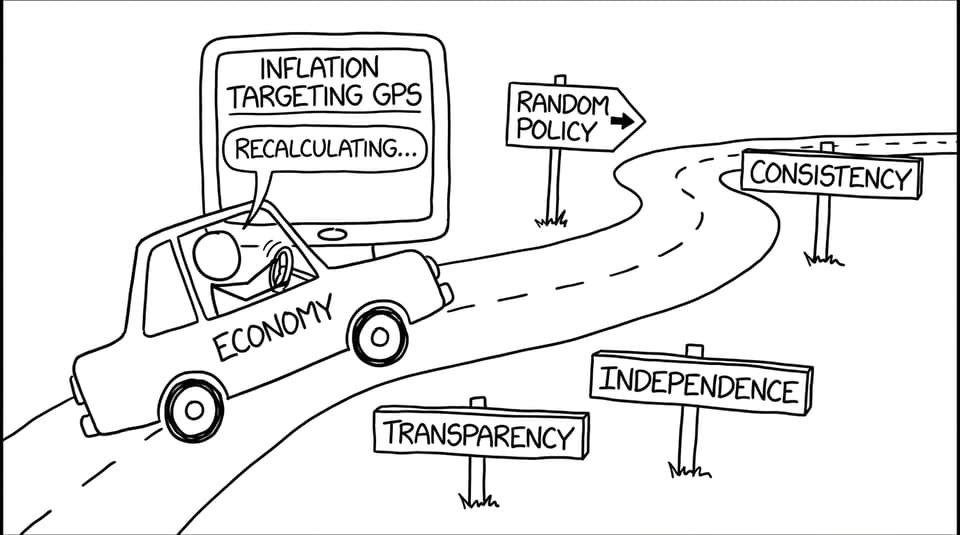
Independence: credibility needs distance from elections
Independence is a recurring evaluation point in IB Economics. If markets think politicians can push the central bank into keeping interest rates low for quick growth, inflation expectations rise. Independence signals that decisions are based on long-run macroeconomic stability, even when they are unpopular.
To connect independence to the syllabus, use Interest rate determination and the role of a central bank and the companion goals of monetary policy notes.
Communication: credibility is partly a writing skill
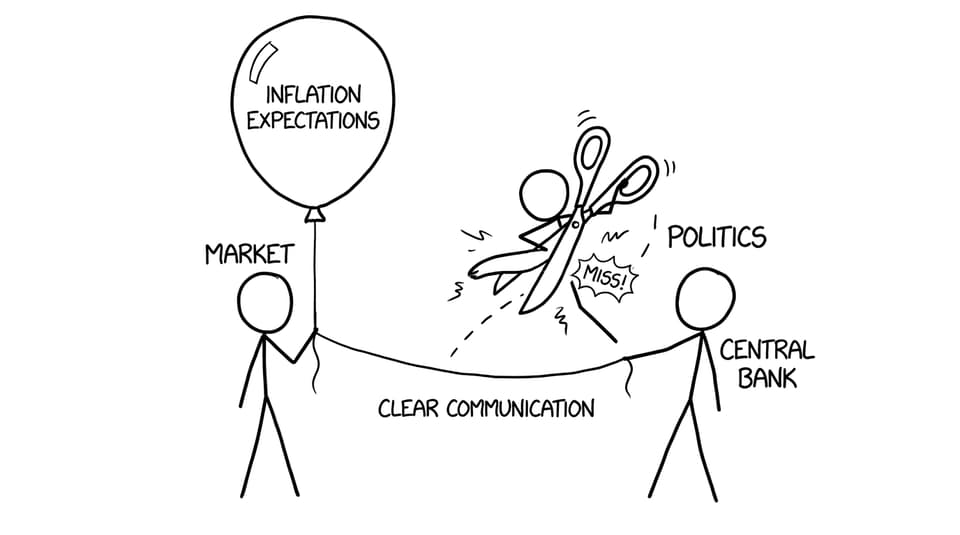
Modern central banking is also messaging. Clear communication reduces speculation and helps “anchor” expectations. In IB Economics, this is where you can earn evaluation marks: explain that transparent forecasts and explanations make policy more effective because people adjust behaviour now, not later.
For a strong macro overview, see How monetary policy stabilises the economy.
How to turn this into exam marks (Paper 1/2 style)
In IB Economics, credibility is a great “why” paragraph:
-
State the policy (e.g., contractionary monetary policy)
-
Explain transmission (interest rates, AD, inflation)
-
Add credibility: anchored expectations reduce wage-price spirals
-
Evaluate: credibility can be lost if targets are missed repeatedly
Then practise with the Monetary policy Questionbank or the broader Macroeconomics Questionbank. RevisionDojo also supports the grind with Study Notes, Flashcards, AI Chat, Grading tools, Predicted Papers, Mock Exams, a Coursework Library, and Tutors when you want feedback that feels like an examiner.
Conclusion: credibility is the policy tool behind the policy tool
In IB Economics, central banks maintain credibility through consistency, independence, and communication, all aimed at anchoring expectations. That single phrase--“anchored expectations”--often separates a decent response from an excellent one.
If you want to practise turning this theory into marks, use RevisionDojo’s IB Economics resources hub, then lock it in with the Questionbank, Flashcards, and AI Chat so your next monetary policy essay reads like calm authority, not last-minute panic.
