
A quiet truth about IB Psychology: your IA changes more than your grade
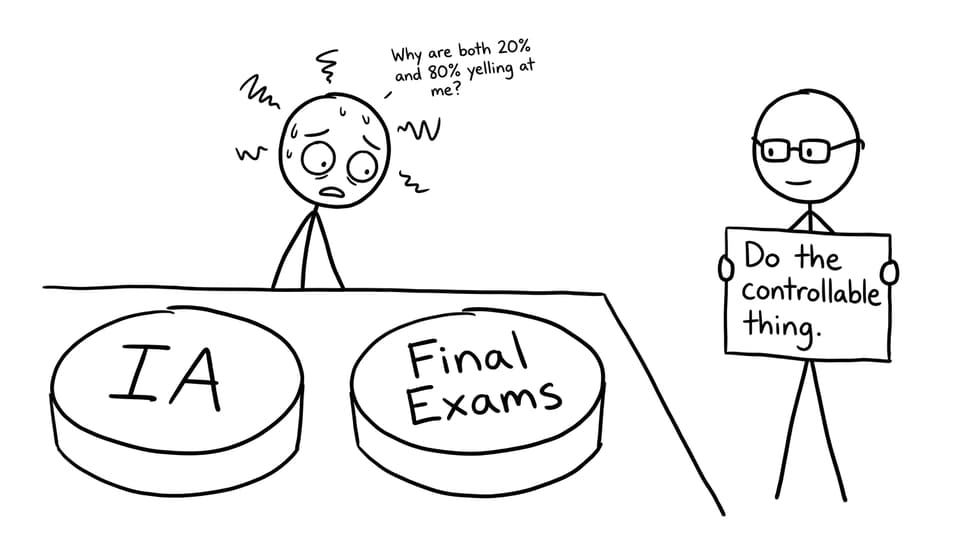
In IB Psychology, it’s easy to treat the Internal Assessment like a side quest. Exams feel louder, more urgent, more “real.” But the IA Effect is the opposite of quiet: it’s the way your Internal Assessment (and, in research language, an intervention) can meaningfully shift outcomes, your final grade, your confidence, and even how you understand evidence.
Once you notice the IA Effect, you stop asking, “How do I survive this?” and start asking, “What part of this can I control?” That’s the mindset that separates last-minute revision from deliberate preparation.
What the IA Effect means (in two useful definitions)
In IB Psychology, “IA Effect” usually lands in two places:
-
Internal Assessment effect (school context): how your IA performance influences your overall result, and how the process builds skills that raise exam performance too.
-
Impact of an intervention/action (research context): the measurable change produced by a treatment, condition, or manipulation in a study.
Both matter for exams. Because IB Psychology is not only about knowing studies; it’s about thinking like a researcher under time pressure.
A fast checklist: where the IA Effect shows up
In your grade
Your IA contributes a significant portion of your final score (often around 20-25% depending on the route/syllabus). That’s the obvious IA Effect.
In your exam answers
The less obvious IA Effect: students who genuinely understand method, controls, ethics, and analysis usually write clearer ERQs/SAQs, especially on research methods.
If you need a structured guide for what examiners reward, use IB Psychology IA Explained: Complete 2025 Guide to Scoring High.
The IA Effect in IB Psychology research (why it’s not just “coursework”)
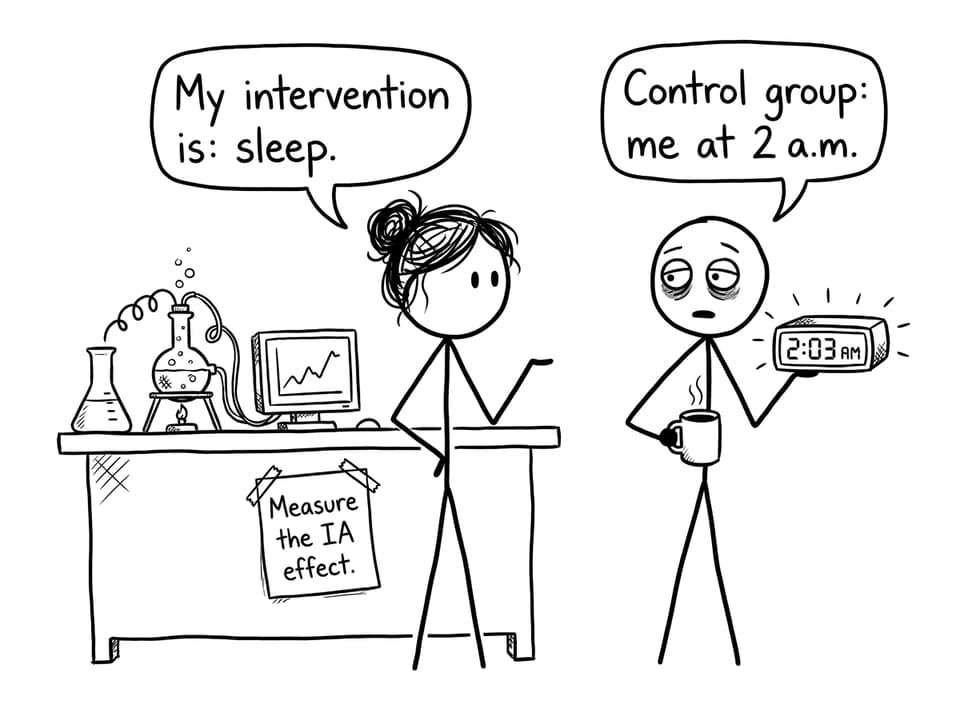
In research terms, an “intervention” might be sleep, music, caffeine, a memory technique, or a stress prime. The IA Effect is the difference it makes, ideally measured with solid design choices (controls, standardization, appropriate stats).
That is exactly why the IB pushes you toward methodology fluency. When you revise IB Psychology, you’re revising how to judge claims.
To strengthen this fast:
-
Review designs and variables using IB Psychology 2.4 Research Methodology
-
Lock down the foundations with Research Methods Notes
-
Practise exam-style method questions in Research Methodology Questionbank
How to use the IA Effect to revise smarter for IB Psychology exams
Use your IA as a personalized syllabus
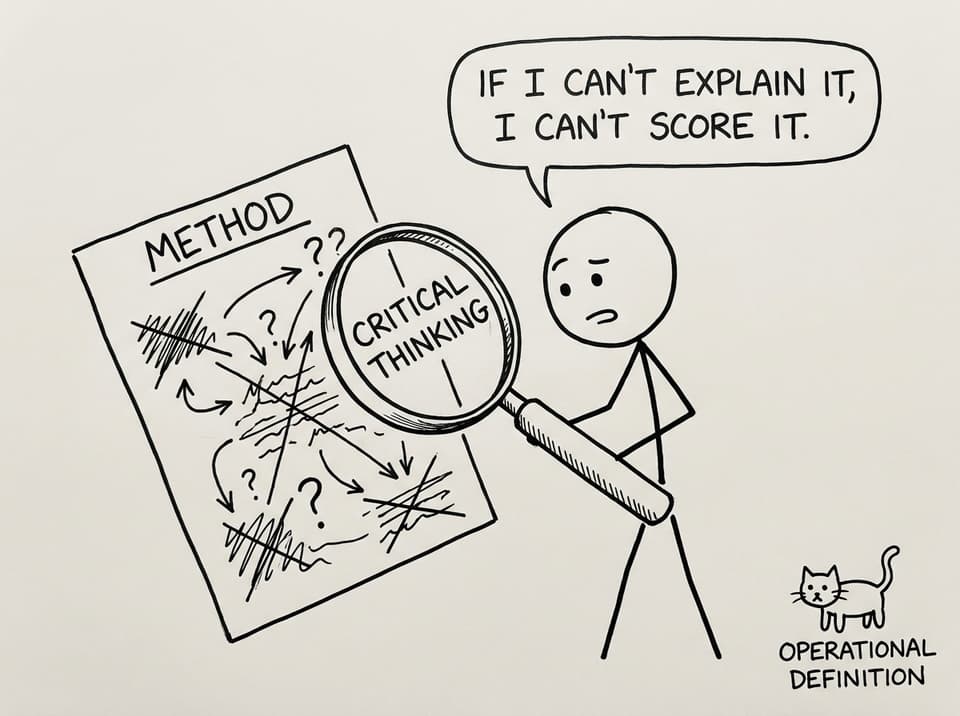
Your IA is a mirror: it reveals what you don’t understand yet (operationalization, sampling, confounds, statistical choice). Turn those gaps into targeted revision sessions.
RevisionDojo helps you do that without wasting time:
-
Use Study Notes and Flashcards from IB Psychology Resources to repair weak concepts.
-
Use the Questionbank for high-volume practice via Questionbank | RevisionDojo.
-
Use Predicted Papers and Mock Exams to rehearse timing and decision-making with IB Psychology Predicted Papers.
-
When you’re stuck, AI Chat can help you translate vague confusion into a clear next step (for example: “What is my IV, and how do I control demand characteristics?”).
If coursework is the bottleneck, browse examiner-aligned guidance in IB Internal Assessment Guides and the IB Psychology (First Exam 2027) Internal Assessment Guide.
The takeaway: the IA Effect is leverage
The IA Effect is leverage in IB Psychology: it’s a meaningful slice of your final result, and it trains the exact thinking your exams reward. If you want that leverage to feel calm instead of stressful, build a simple system: revise method, practise questions, get feedback, repeat.
Start with IB Psychology Resources, then use RevisionDojo’s Questionbank, Study Notes, Flashcards, AI Chat, Grading tools, Predicted Papers, Mock Exams, Coursework Library, and Tutors to turn the IA Effect into consistent exam confidence.