


If you have ever walked out of an IB Physics HL paper feeling like the questions were written in a different dialect of mathematics, you are not alone. The weird part is what happens next: that same exam might still produce plenty of 6s and 7s. That is the quiet purpose of grade boundaries. In IB Physics, the boundary is not a prophecy you can predict in March; it is a translation tool the IB uses after marking to turn raw marks into final grades.
What grade boundaries mean in IB Physics
Grade boundaries are the minimum marks needed to achieve each final grade (1 to 7) for a specific exam session. They are set after marking, once the IB can see how difficult the papers were and how students performed globally.
Two practical takeaways matter for IB Physics HL students:
-
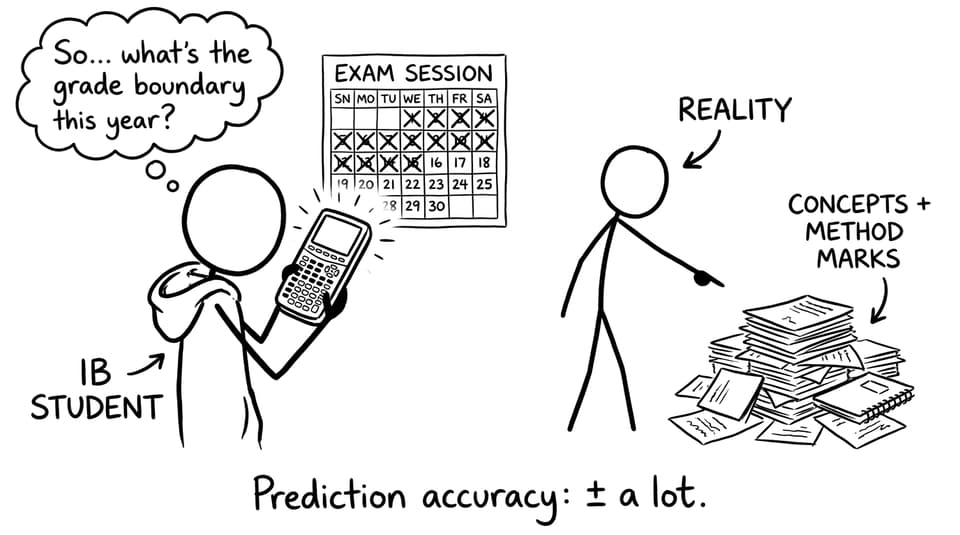
Boundaries change by session (May vs November) and can shift year to year.
-
Your job is not to guess the exact cutoff; your job is to control the marks you can reliably earn.
To see official trends quickly, bookmark IB Grade Boundaries and compare sessions instead of relying on rumors.
Why IB Physics HL boundaries change each year
Boundaries in IB Physics move for the same reason tides do: the environment changes, and the system adjusts to stay consistent.
Exam difficulty and paper balance
If Paper 2 is unusually demanding (longer multi-step problems, nastier data interpretation), boundaries typically ease. If the paper is more accessible, they usually tighten.
Cohort performance and statistical moderation
The IB uses statistical evidence plus expert judgment to keep standards stable across sessions. That does not mean the boundary is “curved” like a classroom test; it means the IB aims for comparable meaning of a 7 over time.
For a deeper explanation, read IB Grade Boundaries: How They’re Actually Calculated.
A simple boundary checklist for IB Physics revision
When boundaries feel stressful, use them like a map, not a verdict.
-
Check boundary ranges using IB Grade Boundaries.
-
Convert your target grade into a realistic mark target, then split it by paper.
-
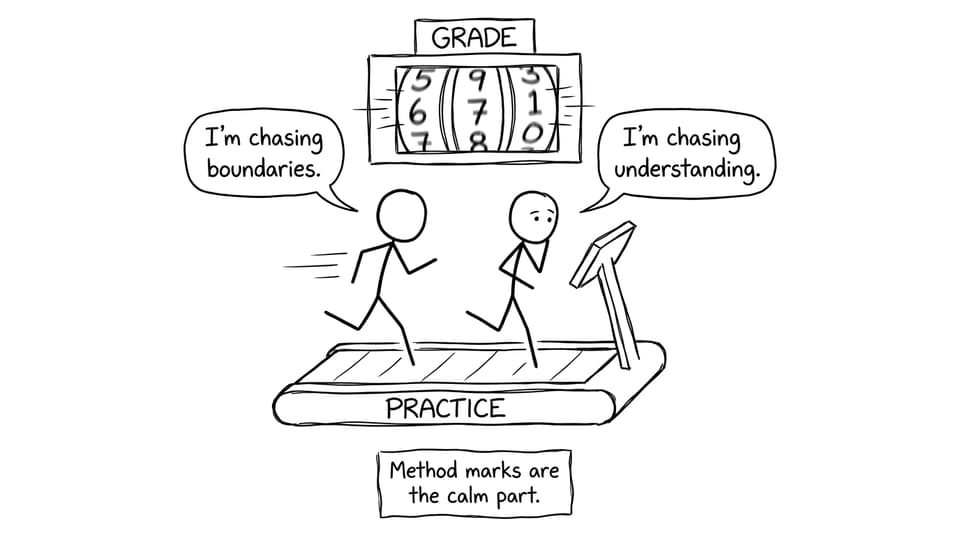
Train for method marks: clear setup, correct substitutions, units, and sensible rounding.
-
Practice with the IB Physics Data Booklet while revising: use IB Physics Data Booklet - Formula Reference.
-
Sit at least one timed mock per week in the final stretch.
If you want a broader study plan for IB Physics, see IBO Physics: How to Succeed in the IB Physics Course.
How RevisionDojo helps you beat the boundary in IB Physics
The best way to “use” grade boundaries is to raise your consistent score floor.
RevisionDojo is built for that loop:
-
Questionbank to drill weak topics and command terms: Questionbank
-
Study Notes and Flashcards embedded inside the IB Physics hub: IB Physics Resources
-
Predicted Papers and Mock Exams to rehearse timing and stamina: Physics Predicted Papers (Free) and IB Physics Predicted Papers
-
Topic-specific practice when one unit keeps slipping (for example, Mechanics - International Baccalaureate (IB) Physics or Topic E - Nuclear and quantum physics)
Behind the scenes, the value is simple: better feedback loops. You practice, get grading clarity, fix one pattern, and repeat until IB Physics marks stop leaking.
Conclusion: treat IB Physics boundaries like weather, not fate
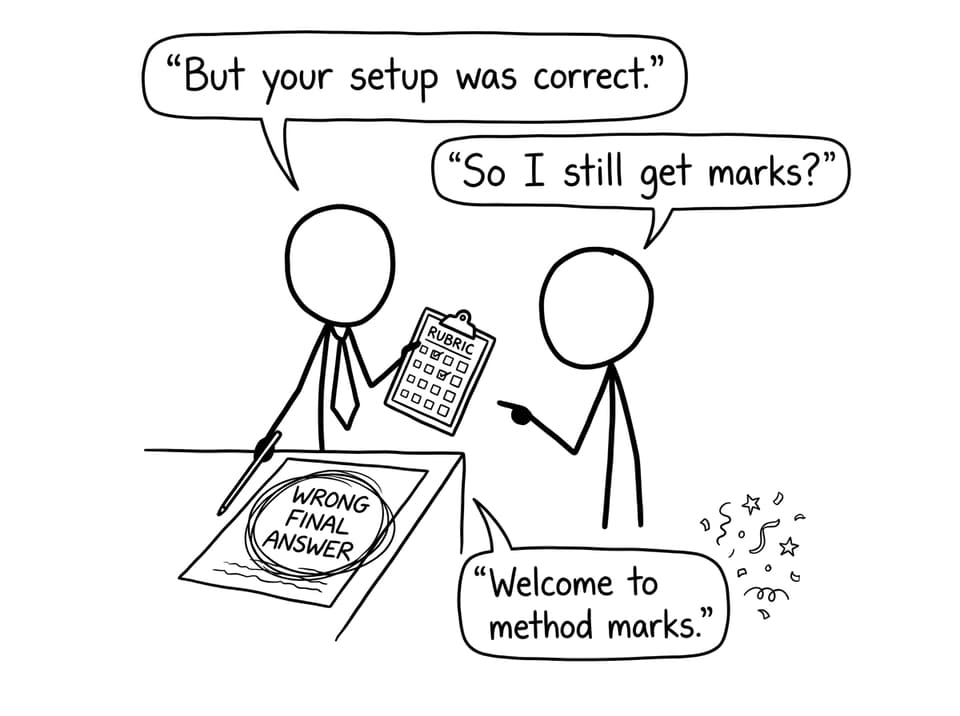
Grade boundaries in IB Physics HL are real, but they are not something you can control directly. What you can control is how often you practice under exam conditions, how well you collect method marks, and how quickly you turn feedback into better habits.
If you want your next mock score to feel less like luck and more like a pattern, start in the IB Physics Resources hub, drill weaknesses in the Questionbank, and rehearse full papers with predicted sets. In IB Physics, consistency is the closest thing you get to certainty.