



Introduction: the blank page is the hardest shot
Every IB Film student knows the moment: you open a doc to write your concept and your brain suddenly becomes a fog machine. You want something “original,” but originality feels like a door that only opens for other people.
The quiet truth is that strong IB Film ideas rarely arrive as lightning. They grow like photographs in a darkroom: slowly, through small choices that begin to reveal what you actually care about. Your goal is not to reinvent cinema. Your goal is to make a short production that feels intentional, culturally aware, and possible with the gear and time you have.
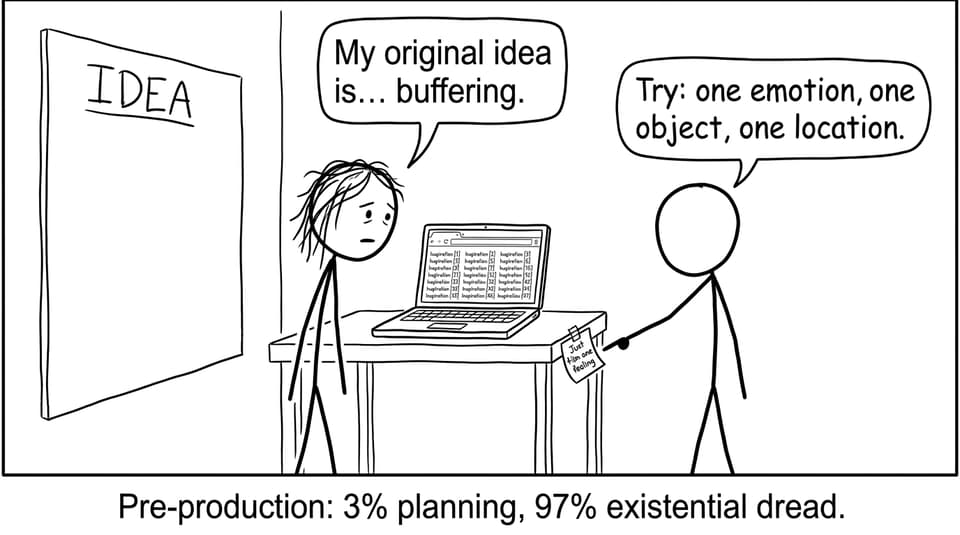
Quick checklist for an original IB Film idea
Use this as your 15-minute starter:
-
Pick a theme you can defend in one sentence (not a topic, a point).
-
Choose one world cinema influence you can name and explain.
-
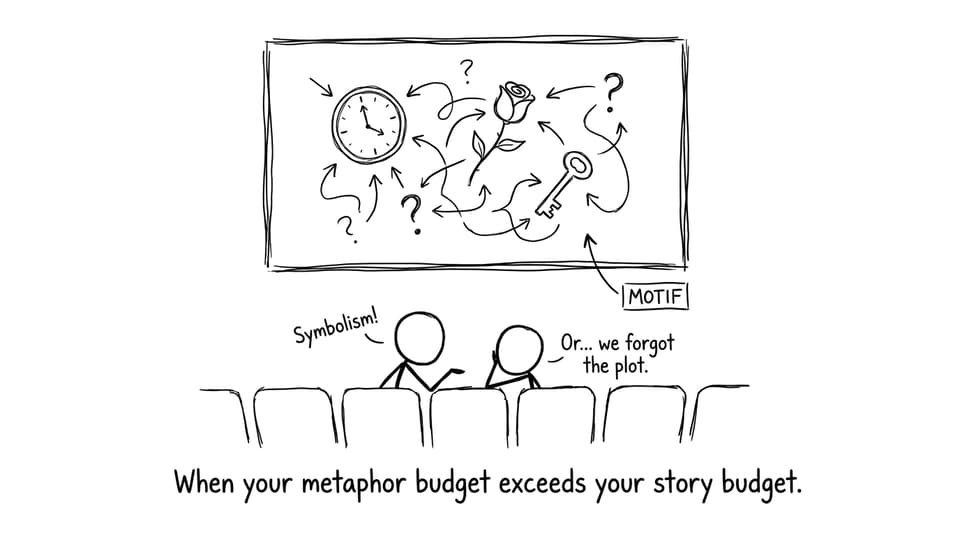
Design 2-3 visual motifs (color, framing, props, sound texture).
-
Reduce scope to one main location and a small cast.
-
Plan how you will document decisions for your portfolio reflection.
If you want more examples of what examiners reward, browse the IB Film tag hub.
Start with a theme that matters (and make it specific)
A workable IB Film idea usually begins with something personal, but personal does not mean “my life story.” It means you have emotional access to the material.
Try this formula:
-
Theme: what you’re exploring (belonging, control, shame, loyalty).
-
Pressure: what forces the character to reveal that theme.
-
Change: what shifts by the end.
For example: “Belonging” is broad. “Belonging when you feel like a guest in your own house” is filmable. It suggests locations, blocking, and details in mise-en-scene.
When you later write reflections, clarity helps you avoid common portfolio traps. This pairs well with Common Mistakes in IB Film Portfolios and How to Fix Them.
Use world cinema like a compass, not a copy
In IB Film, global traditions are not decoration. They are evidence that you can trace style to context. Pick one influence and borrow a principle, not a plot.
Examples of “principles” you can adapt:
-
Slow pacing and empty space to make absence feel heavy.
-
Symbolic objects integrated into everyday realism.
-
Rhythmic montage to show ideological pressure or inner conflict.
If you need help choosing traditions and building the vocabulary to explain them, use How to Analyze World Cinema in IB Film Coursework and How to Choose Films for IB Film Comparative Analysis.
Build the idea visually: film is not an essay
A reliable way to level up an IB Film concept is to ask: “What will the audience see and hear that carries meaning, even if nobody speaks?”
Draft your concept using three columns:
-
Image: framing, movement, light, texture.
-
Sound: silence, room tone, distortion, repetition, contrast.
-
Edit rhythm: long takes vs. cuts that interrupt.
This is also where you can earn marks by being deliberate about mise-en-scene. For practical guidance, use Best Ways to Use Mise-en-Scène in IB Film Analysis and Production.
Keep scope realistic: constraints create style
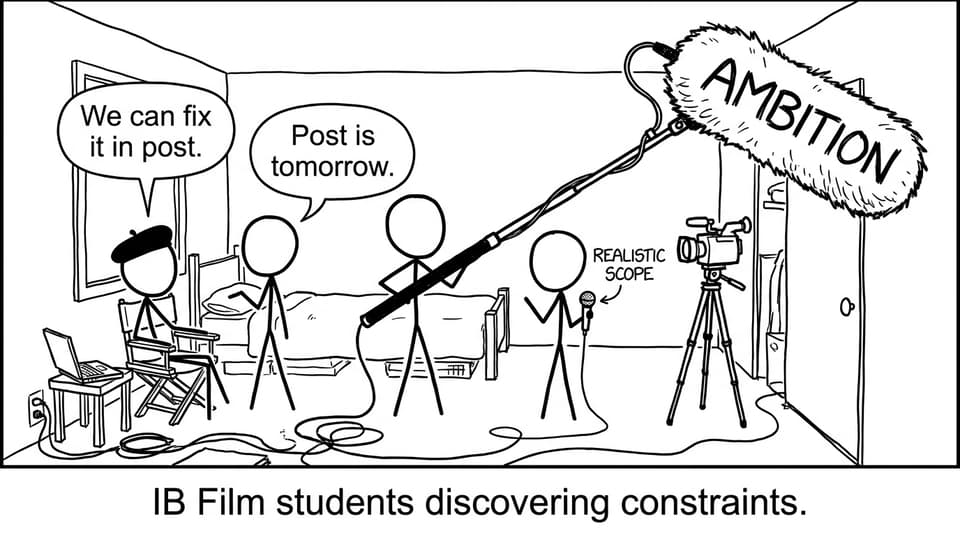
Examiners do not award extra marks for expensive locations or a cast of twelve. In IB Film, a small, controlled production often looks more “professional” because you can repeat takes, manage sound, and refine details.
Three scope rules that save projects:
-
One primary location you can access repeatedly.
-
Two main characters max, unless you have a dependable crew.
-
One technical challenge you will do well (not five you will do poorly).
When you’re ready to translate the idea into pre-production steps, use How to Prepare for Your IB Film Practical Production Project and How to Manage a Film Set for IB Coursework.
Make your originality visible in the reflection
The most “original” IB Film idea can still score poorly if you cannot explain decisions. Your portfolio is where you show the thinking behind the work: why that lens choice, why that rhythm, why that symbol.
A simple reflection structure:
-
Intention: what effect you wanted.
-
Influence: what tradition or filmmaker shaped the choice.
-
Outcome: what happened in practice.
-
Adjustment: what you changed and why.
If symbolism is part of your concept, make it consistent and defensible with Using Symbolism and Metaphor Effectively in IB Film Productions.
Conclusion: turn one honest theme into a film you can defend
A high-scoring IB Film production idea is not a miracle concept. It is a focused theme, a thoughtful world cinema influence, a visual plan, and a scope you can actually complete. When you build from constraints and reflect on choices, your work reads as intentional, which is what examiners look for.
When you want the whole workflow in one place, RevisionDojo supports your prep with Study Notes, Flashcards, AI Chat, Grading tools, Predicted Papers, Mock Exams, a Coursework Library, Tutors, and targeted practice through the Questionbank. Use the platform to tighten your concept, plan your production, and write reflections that clearly show your filmmaking thinking in IB Film.