

A policy can change a life
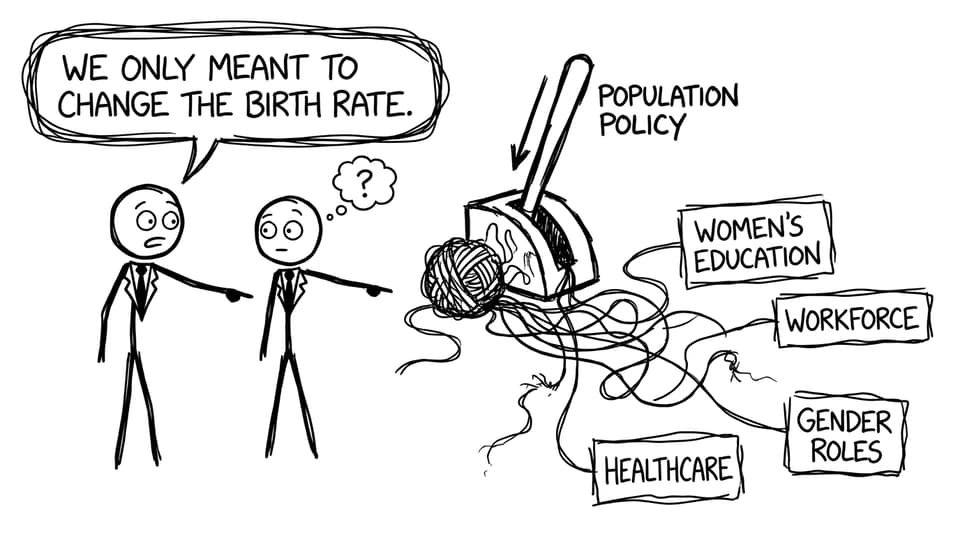
In IB Geography, population policies can look like neat arrows on a flow chart: policy introduced, birth rate shifts, problem solved. But real policies land inside real households. A subsidy might decide who pauses their career. A clinic might decide whether a student stays in school. And in the background, development indicators quietly move.
IB Geography examiners love this topic because it rewards balanced thinking: population policies rarely affect only fertility. They also reshape gender equality (who has choices, time, safety, and status) and development (health, income, education, and opportunity).
Quick IB Geography checklist (what to evaluate)
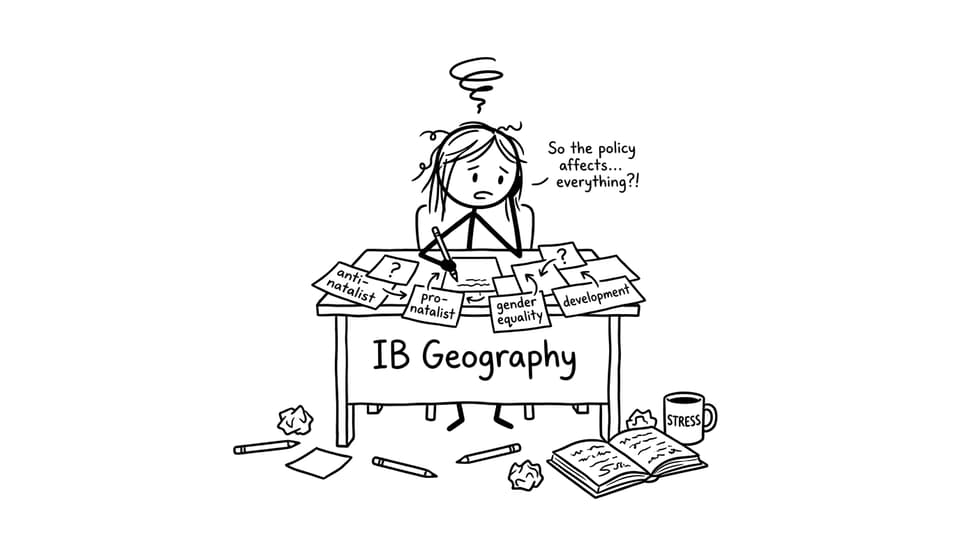
Use this mini-checklist in IB Geography essays and 10-mark responses:
-
Type of policy: anti-natalist or pro-natalist (or migration-focused)
-
Mechanism: incentives, services, education, or coercion
-
Gender impact: autonomy, schooling, paid work, unpaid care, safety
-
Development impact: dependency ratio, workforce, maternal health, infant mortality
-
Context: culture, access to healthcare, urban/rural divides, inequality
For syllabus-aligned foundations, build your definitions and examples from Managing Population Change notes and the wider Changing Population notes hub.
Anti-natalist policies: when lower fertility can raise equality
Anti-natalist policies aim to reduce fertility rates. In IB Geography, the highest-scoring evaluation usually separates choice-based approaches from pressure-based ones.
When governments prioritise girls’ education, contraception, and reproductive healthcare, the gender equality effects are often positive. If women can plan pregnancies, they can stay in school longer, delay marriage, and enter the workforce. That tends to lift human development outcomes too: lower dependency ratios, higher household incomes, and better maternal and child health.
A strong IB Geography link is this: improving women’s autonomy is not just a “social” outcome; it is an economic and demographic lever.
To practise applying this to exam-style prompts, use the Topic 1.2 Questionbank: Changing Populations and Places or the broader Changing Population Questionbank.
When population policies backfire on gender equality
Some population policies reduce birth rates on paper while deepening inequality in practice. Coercive rules, stigma, or one-size-fits-all targets can push responsibility onto women while ignoring barriers like cost, distance to clinics, or lack of schooling.
In IB Geography, your evaluation should show how harm happens:
-
Women are blamed for “high fertility” even when access is the real issue.
-
Informal pressure can reduce autonomy, not increase it.
-
The policy may lower fertility but worsen trust in healthcare systems, creating long-term development risks.
A helpful way to frame this in IB Geography is: a demographic outcome can look successful while a gender outcome looks damaging.
Pro-natalist policies: development support or traditional roles?
Pro-natalist policies encourage higher birth rates, often in ageing societies. They can improve development if they fund childcare, healthcare, and parental leave. But the gender equality effect depends on who actually does the unpaid care.
If the policy design assumes mothers will step back from work, it may reinforce traditional gender roles and reduce female labour force participation. In IB Geography, that becomes a development trade-off: short-term fertility goals may clash with long-term productivity and equality.
To strengthen your evaluation language, revise synthesis phrases from Synthesis and Evaluation notes.
How to turn this into marks (a simple structure)
For IB Geography answers, try:
-
Point: Identify the policy type and intended demographic goal.
-
Explain: Show the pathway to gender equality (education, autonomy, employment, health).
-
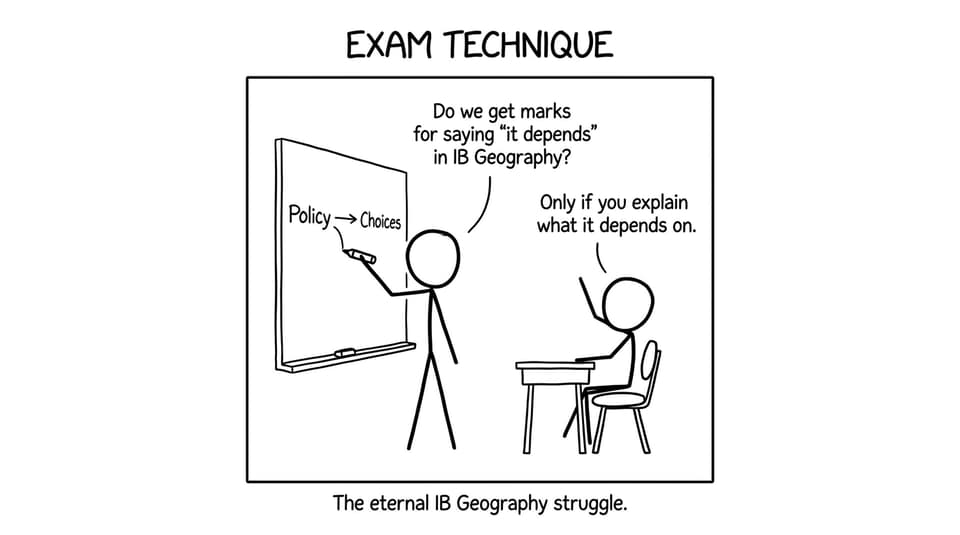
Evaluate: Add “it depends” with specific contexts (culture, services, enforcement, inequality).
If you need fast practice with feedback loops, RevisionDojo’s IB Geography resources combine Study Notes, Flashcards, and Questionbank drills. Many students also use AI Chat to test evaluation paragraphs, then refine them with the Grading tools until the argument sounds like an examiner wrote it.
Conclusion: the best policies expand choices
In IB Geography, population policies are never just about numbers. They can widen choices through education and healthcare, or narrow choices through pressure and stereotypes. If you evaluate the mechanism, the context, and the gendered impacts, your development judgement becomes convincing.
To lock this in before your next test, use RevisionDojo’s IB Geography Study Notes, Flashcards, Questionbank practice, AI Chat, and Grading tools to build answers that do what examiners reward most: explain why outcomes differ, not just what happened in a policy.