
When your revision hits the Water-Food-Energy nexus, it can feel like one of those questions where every “smart” fix creates a new problem. That’s exactly why IB Geography loves it: real-world systems don’t behave in straight lines. As resource consumption trends change (what people eat, how cities grow, how power is generated), the links between water, food, and energy tighten. And under exam pressure, what matters is being able to explain why a change in one resource quickly becomes a story about the other two.
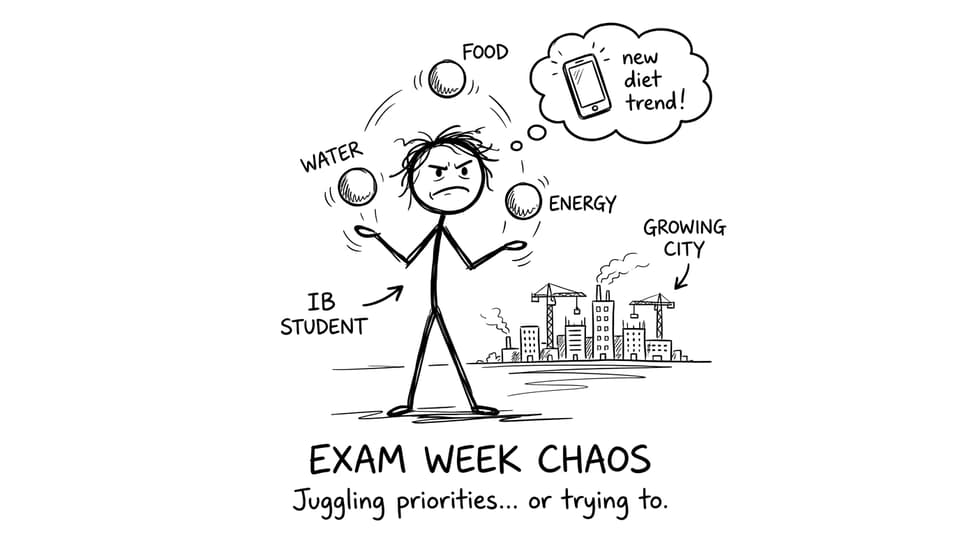
The Water-Food-Energy nexus in IB Geography (in one minute)
In IB Geography, the Water-Food-Energy (WFE) nexus is the idea that:
-
Water is needed for farming (irrigation, livestock) and for producing energy (e.g., cooling in thermal power, hydropower, biofuels).
-
Energy is needed to pump, treat, and move water, and to produce, process, and transport food.
-
Food systems affect both water (quantity and quality) and energy demand (inputs, supply chains).
If you want a clean definition plus the classic examples, use What Is the Water-Food-Energy Nexus? alongside your class notes.
How changing resource consumption trends impact the nexus
Rising energy demand reshapes water security
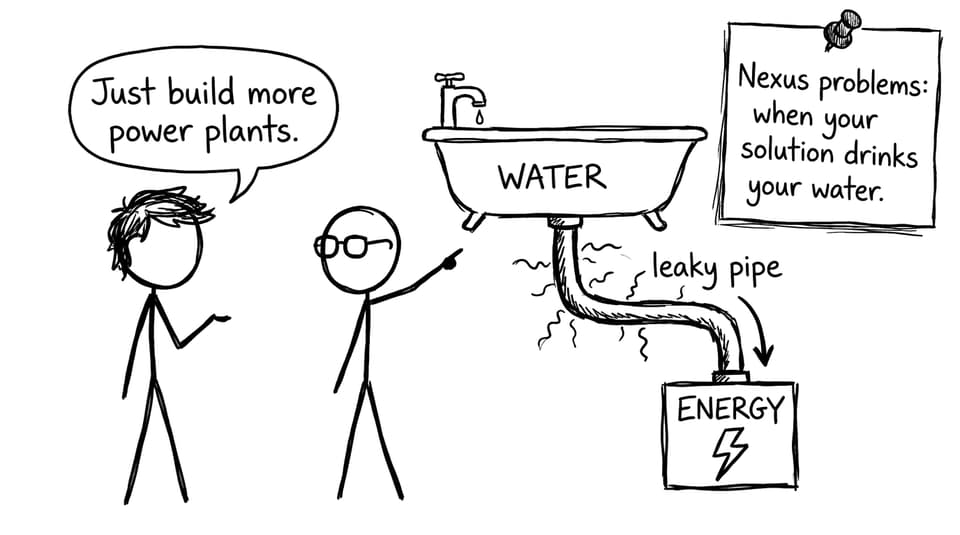
As economies industrialise and households use more electricity, total energy demand climbs. The catch is that many energy pathways are thirsty: thermal power stations need water for cooling, and biofuels tie energy directly to land and water used for crops. So when energy consumption rises, water is often reallocated toward generation infrastructure, leaving less for irrigation or domestic supply. In IB Geography, that’s a strong “trade-off” paragraph: one sector gains security while another becomes more vulnerable.
Diet shifts (especially meat and dairy) intensify water and energy use
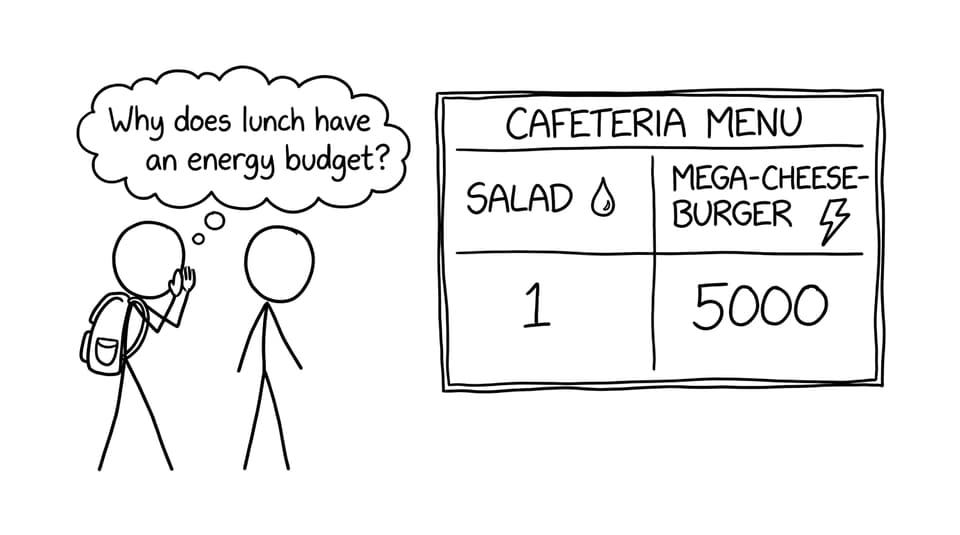
A quiet but powerful consumption trend is dietary change. As incomes rise, diets often become richer in meat and dairy. These products generally require more water (for feed and livestock) and more energy (production, refrigeration, transport) than many plant-based alternatives. The nexus impact is cumulative: higher food demand increases irrigation needs, which raises energy demand for pumping, which can increase pressure on water again. That looping logic is exactly the “systems thinking” examiners reward in IB Geography.
Urbanisation concentrates demand and increases energy costs of supply
Urbanisation doesn’t just add demand; it changes the geography of demand. Cities require reliable flows of food, clean water, and energy for housing, transport, and industry. Supplying these flows often means longer supply chains: water transfers, imported food, and energy-intensive distribution networks. Urban lifestyles can also be more consumption-heavy, amplifying pressure across the WFE nexus.
Climate change acts like a multiplier
Climate change doesn’t replace consumption trends; it magnifies them. Higher temperatures can raise energy demand for cooling and increase irrigation needs, while altered rainfall patterns reduce reliable water availability and destabilise agricultural yields. The nexus result is feedback: water stress harms food production, which encourages more irrigation, which increases energy demand, which can further strain water systems.
Quick exam checklist (IB Geography answers that score)
-
Define the nexus clearly and early.
-
Explain two links (e.g., from energy to water; from food to energy).
-
Add a consumption trend (diet change, urbanisation, rising electricity use).
-
Show a feedback loop (stress in one sector increases stress in others).
-
Finish with management: integrated planning, efficiency, reducing waste.
To practise this with markscheme-style structure, use the 3.2 Impacts of changing trends in resource consumption topic hub and the matching Questionbank practice.
How RevisionDojo helps you write nexus answers faster
RevisionDojo is built for the way IB Geography is assessed: clear concepts, sharp chains of reasoning, and confident evaluation. Students use:
-
the Study Notes for clean definitions and link diagrams (3.2.1 WFE nexus notes)
-
Flashcards for active recall (Global Resource Consumption flashcards)
-
Lessons to tighten exam technique (3.2 learn pathway)
-
AI Chat to test chains of reasoning (“If energy demand rises, what happens to water and food?”)
-
Grading tools to polish PEEL paragraphs, plus Mock Exams and Predicted Papers for timed practice
-
the Questionbank to build consistency under pressure
-
Tutors when you need targeted feedback quickly
For wider context on how consumption differs across places (useful for evaluation), connect this topic to How Do Global Patterns of Resource Consumption Vary? and the full IB Geography course hub.
Final takeaway
Changing resource consumption trends don’t just raise demand; they change the relationships inside the Water, Food, and Energy nexus. That’s why IB Geography treats the nexus as a living system: energy demand can drain water availability, diet change can intensify water and energy pressure, and urbanisation can make every supply chain more energy-intensive. If you can show those links clearly and evaluate trade-offs, you’re already writing at a high band. Build that skill with RevisionDojo’s Questionbank, Study Notes, Flashcards, AI Chat, and Grading tools, then stress-test it with Mock Exams and Predicted Papers when timing matters most.