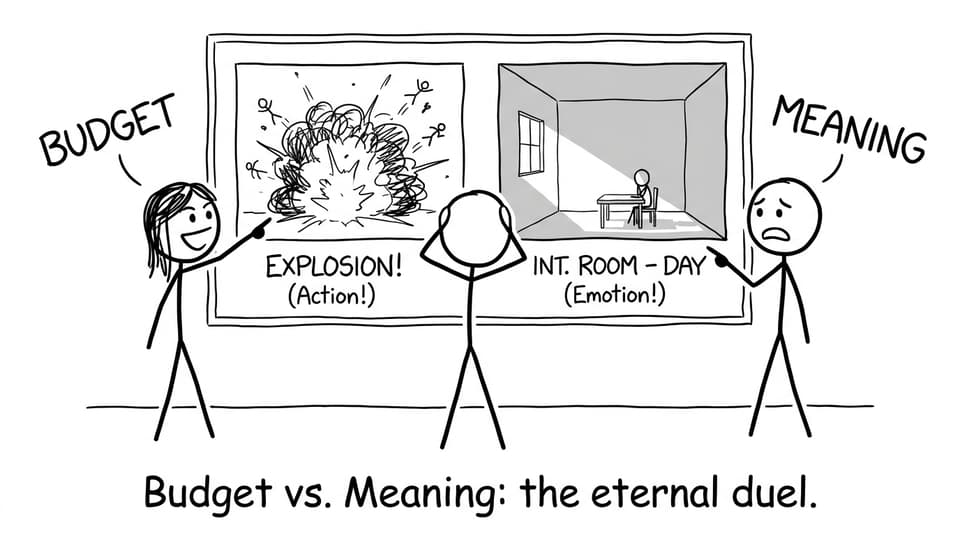
Your best work in IB Film usually starts with a quiet moment: you realize you don’t need a “big” story, you need a clear one. Examiners aren’t hunting for explosions or expensive locations. They’re looking for intention, a theme you can express through framing, sound, editing rhythm, and performance. If you choose the right theme early, your IB Film production becomes easier to plan, easier to shoot, and easier to justify in reflections.
A quick checklist before you pick an IB Film theme
-
Personal pull: you genuinely care about it (you’ll live with this project for weeks).
-
Cinematic proof: you can show it through images and sound, not just dialogue.
-
Context: there’s cultural, social, or ethical weight you can acknowledge.
-
Scope: it fits your time, actors, locations, and equipment.
-
Reflection fuel: you can explain why each choice serves the theme (perfect for IB Film portfolios).
If you want your planning to feel calmer, pair this checklist with RevisionDojo’s guides on preparing your practical production project and storyboarding effectively.
Best IB Film production themes (with examiner-friendly angles)
Identity and belonging
Identity stories work in IB Film because they’re naturally visual: clothes, language, spaces, rituals, and the way a character moves through a room can all carry meaning.
Try angles like:
-
living between home culture and school culture
-
code-switching and “performing” different versions of yourself
-
family expectations vs private identity
To strengthen your craft, build your theme into blocking and composition using mise-en-scene strategies.
Power and oppression (small-scale stories)
Political themes don’t need big budgets. A single hallway, a uniform, a rule, a camera angle that stays too high, power can be shown with simple choices.
Strong directions:
-
authority vs autonomy (school, workplace, family)
-
subtle coercion, not cartoon villains
-
consequences of silence in groups
To keep it ethical and original, read ethical storytelling and integrity in IB Film.
Memory and time
Memory themes invite bold structure: repetition, gaps, unreliable sound, or edits that feel like thought patterns. This is a classic IB Film win because you can justify technique as meaning.
Ideas to explore:
-
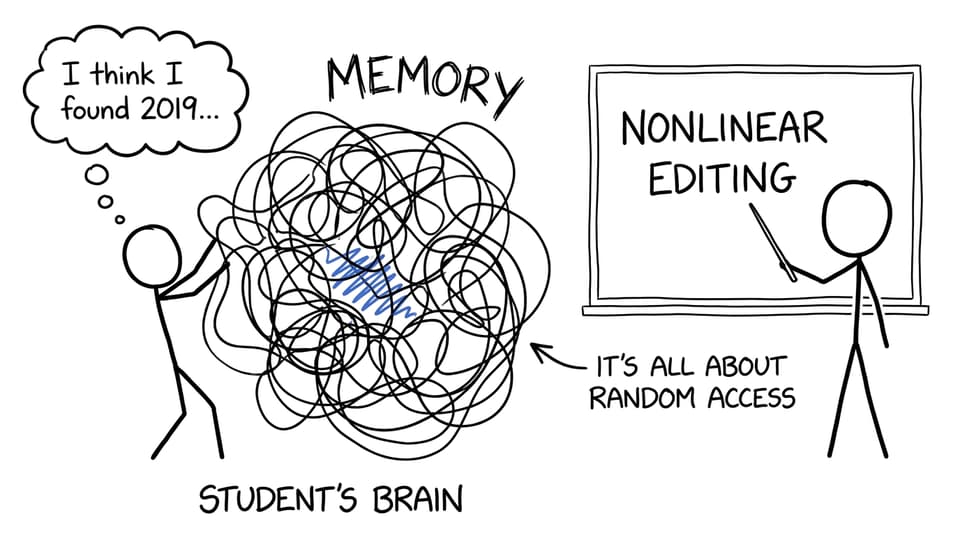
nonlinear editing that mirrors confusion or longing
-
sound bridges that “haunt” a new scene
-
match cuts between past and present
If your editing is doing narrative work, make sure your workflow is tight with these recording and editing tips.
Technology and modern life
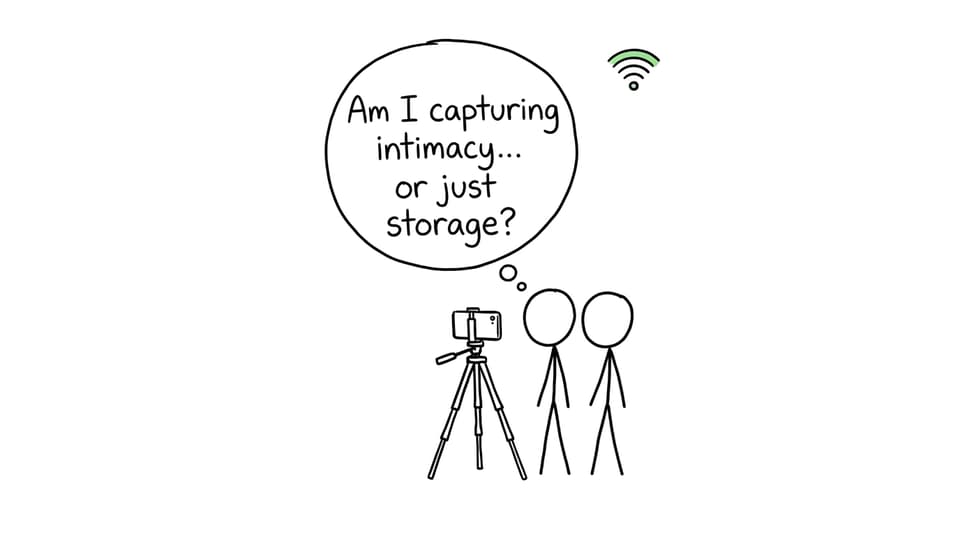
Technology themes are everywhere, which means your job is specificity. Pick one behavior and dramatize it: scrolling at night, “seen” messages, algorithmic envy, constant recording.
Approaches:
-
digital intimacy vs real presence
-
surveillance and self-censorship
-
AI convenience vs human judgment
This theme also pairs well with clear theory links; use connecting theory and practice in IB Film to frame your choices.
Cultural traditions and storytelling
Examiners reward cultural awareness when it’s thoughtful, not decorative. A strong IB Film theme here often asks: what gets preserved, what gets translated, and what gets lost?
Possible spins:
-
a folk tale retold in a modern setting
-
intergenerational conflict over ritual and meaning
-
oral storytelling turned into film structure (voice, repetition, audience)
For inspiration and structure, browse RevisionDojo’s IB Film article hub and look at how global cinema context strengthens analysis.
Human resilience (without clichés)
Resilience becomes powerful when it avoids motivational speeches and focuses on behavior: what someone does when nobody is watching.
Try:
-
quiet endurance in ordinary routines
-
rebuilding trust after conflict
-
migration, displacement, or adapting to loss (handled sensitively)
If you’re also revising theory and terminology for exams, RevisionDojo’s Study Notes and Flashcards help you keep film language ready for both analysis and reflection, while AI Chat helps you troubleshoot creative blocks fast.
Keep your IB Film idea realistic (and still impressive)
A smaller, cleaner production often scores better than an ambitious mess. Limit locations. Design sound. Use light intentionally. Then document it.
RevisionDojo helps you run that loop: plan with the Coursework Library, test choices with Mock Exams-style practice for exam components, and use Grading tools to understand what “good justification” looks like across criteria. If you need human feedback, RevisionDojo Tutors can help you refine a theme into a shootable script.
Bring your IB Film theme to life with RevisionDojo
The best IB Film themes aren’t “ideas” you find online; they’re ideas you can execute with meaning. Choose one theme, define one clear message, and design every shot to support it. Then use RevisionDojo to tighten the whole process: generate plans with the Coursework Library, practice exam-side skills with Questionbank, lock in terminology with Flashcards, and get unstuck fast with AI Chat. When you’re ready to level up, explore IB Film exemplars to see what top work looks like and why it works.