


When you first choose IB Design Technology, it can feel like signing up for two courses at once: one part creative studio, one part high-stakes assessment. You sketch an idea in the morning, then spend the afternoon proving it with research, testing, and the kind of reflection that feels uncomfortably honest.
And then something surprising happens.
You start trusting yourself.
That trust is the most rewarding part of IB Design Technology. Not because every prototype works (it won’t). Not because every draft is elegant (it isn’t). But because the subject teaches you how to turn uncertainty into evidence, and evidence into decisions. That’s a rare skill in school, and an even rarer feeling during exam season.
A quick checklist: where IB Design Technology feels rewarding
If you want to name the payoff of IB Design Technology in a way that actually helps you revise, start here:
-
You learn creative problem-solving that has to survive contact with reality.
-
You see your thinking become a tangible outcome (models, CAD, prototypes, testing tables).
-
You build a portfolio story: not “I’m talented,” but “I can iterate and improve.”
-
You practice project management without being told it’s project management.
-
You connect design to sustainability, accessibility, and real users.
-
You get better at writing like an examiner is reading: clear, justified, evidence-led.
For a solid home base while you revise, keep the IB Design Technology hub open and work outward from the syllabus-aligned resources: IB Design Technology Resources.
The quiet reward: your ideas become testable
Most subjects reward you for being right.
IB Design Technology rewards you for being clear.
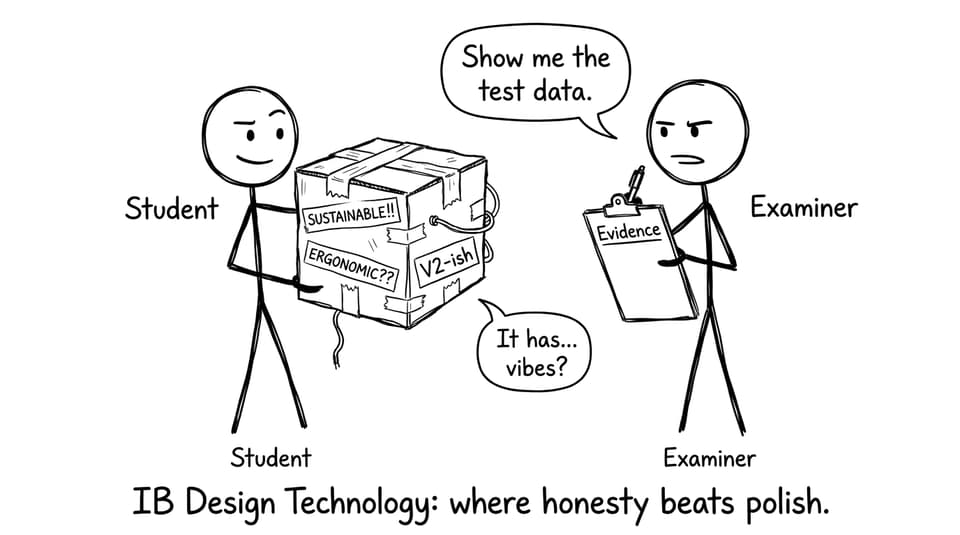
Clear about who the user is. Clear about what the problem actually looks like. Clear about how you’ll test whether your solution works. That clarity becomes addictive in the best way. It turns “I think this is good” into “This meets requirement 3 because the load test increased by 25%.”
That shift matters for exams too. When you practice structured responses, you’re training the same muscle: claim, justify, evaluate. RevisionDojo helps you build it in one loop: learn the concept, drill it, and get feedback.
To sharpen your foundation quickly, use Study Notes for one subtopic, then switch straight into targeted practice via the Questionbank.
The most rewarding moment is usually not the final prototype
Students expect the “big moment” to be the final model or the perfect CAD render.
But ask people later, and they often describe a smaller turning point: the first time they changed their mind because the data made them.
That’s the point where IB Design Technology stops feeling like guesswork and starts feeling like engineering, design thinking, and real decision-making. Your prototype failing isn’t a personal insult. It’s information.
If you’re deep in the Internal Assessment, this is where many marks hide: iteration that is visible and justified. If you want a clean guide for making that iteration obvious, use How Do You Show Iteration in the IB Design Technology IA?.
And if you’re still early-stage and struggling to even define the problem, use IB Design Technology Problem Statement: Write It Strong.
Creativity with consequences: the best kind of pressure
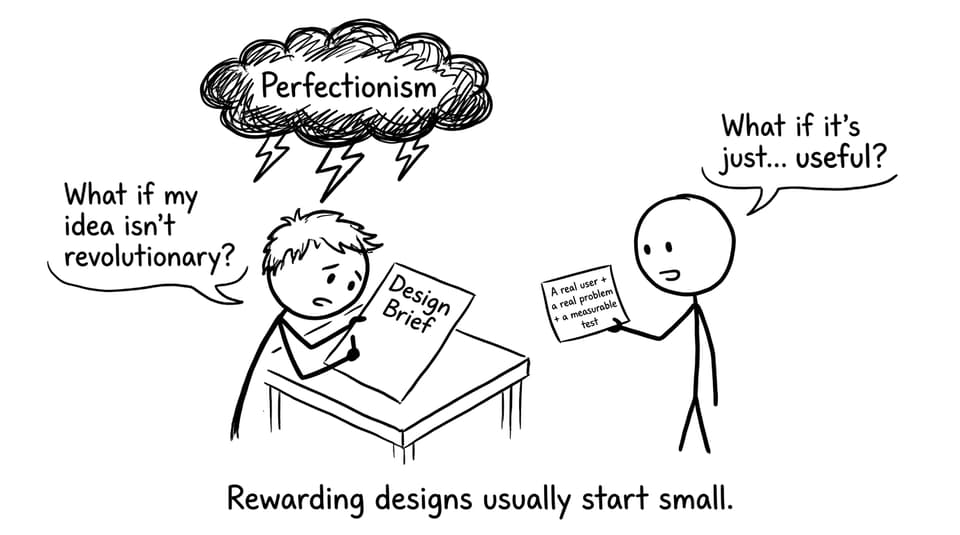
In IB Design Technology, creativity isn’t “make something cool.” It’s “make something that works for someone.” That tiny difference is why the subject feels meaningful.
A user-centered project forces you to care about trade-offs:
-
A more sustainable material might reduce durability.
-
A lighter design might increase manufacturing complexity.
-
A cheaper option might reduce accessibility.
This is also why DT can feel emotionally rewarding. You’re not performing knowledge. You’re practicing judgment.
If you’re unsure how much originality you’re “allowed,” it helps to remember that design often begins with existing solutions and improves them responsibly. This guide frames that idea clearly: IB Design Technology: Can You Reuse Products or Ideas?.
The portfolio payoff: you can show, not just tell
Universities and employers are used to students saying they’re hardworking.
A strong IB Design Technology project lets you demonstrate it.
Your work becomes a narrative:
-
Here was the initial situation.
-
Here’s what my research showed.
-
Here’s how requirements came from evidence.
-
Here’s what failed.
-
Here’s what I changed.
-
Here’s how I evaluated success.
If you want models of what “strong evidence” looks like in real student work, the RevisionDojo Coursework Library is built for that kind of benchmarking: IB Design Technology (First Exam 2027) Exemplars.
And when you want fast rubric-aware feedback before you submit, the grader tools make the next draft less mysterious:
How to make IB Design Technology feel rewarding during exam prep
The trap in exam season is treating DT like it’s only coursework, or only theory. It’s both. The reward shows up when you connect them.
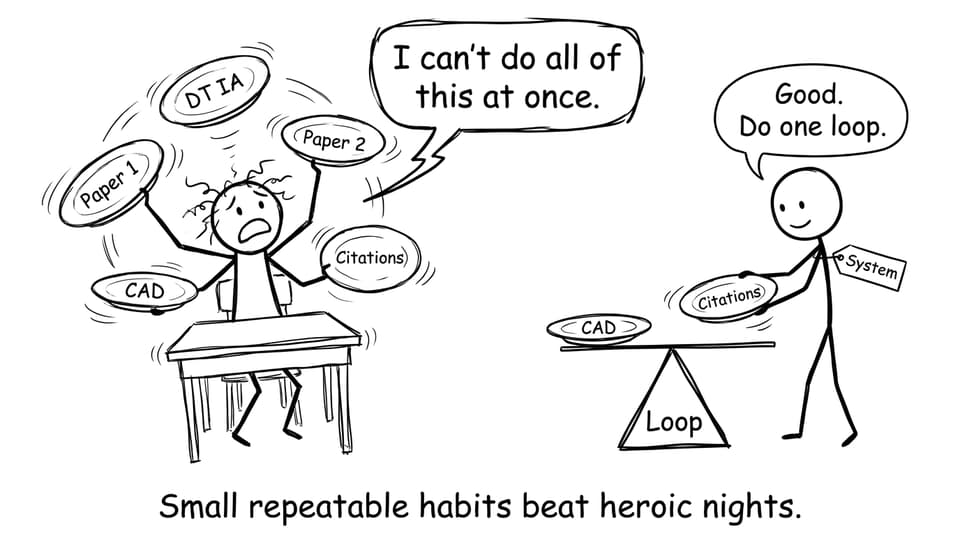
Try this simple weekly loop:
-
Understand (2 sessions): Use the IB Design Technology Resources hub and notes to patch weak theory.
-
Recall (daily, 10 minutes): Use Flashcards to keep key definitions and processes warm.
-
Apply (3 sessions): Drill DT questions with the Questionbank and review mistakes.
-
Rehearse (1 session): Sit a timed practice paper using IB Predicted Papers to build stamina.
If you want a deeper strategy specifically for DT, keep this open while you plan your week: Best Study Strategies for IB Design Technology Students.
Closing: the real reward is becoming the kind of person who can iterate
The most rewarding part of IB Design Technology is that it changes what you believe about your own work. You stop waiting for inspiration. You stop needing perfection. You start building, testing, learning, and improving, on purpose.
If you want that reward to show up in your grades too, make RevisionDojo your home base for IB Design Technology exam prep: use the Questionbank to practice like the exam, Study Notes to patch understanding fast, Flashcards to keep recall alive, and the grading tools plus exemplars to turn coursework into a confident final submission.