




The moment your film choice starts choosing your grade
You can feel it the first time you try to take notes: a film either opens up, or it closes down.
In IB Film, textual analysis isn’t about proving you watched something carefully. It’s about showing you can think with cinema: how a cut changes power, how sound reorganizes emotion, how a frame can argue without a single line of dialogue. The problem is simple: if you choose a film that’s thin, your analysis will be thin too. If you choose a film with layers, your IB Film writing suddenly has somewhere to go.
This guide gives you a practical way to choose films for IB Film textual analysis so you can write with precision, confidence, and examiner-level focus.
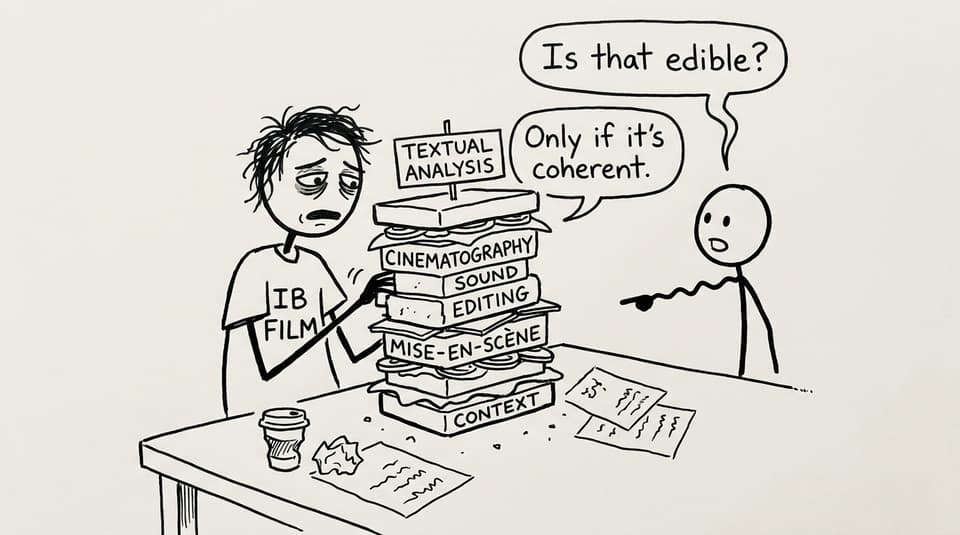
Quick checklist: a strong IB Film textual analysis pick
Before you commit, check that your film (or chosen sequence) has:
-
Technique density: cinematography, editing, sound, mise-en-scène working together
-
Context you can explain: cultural, historical, industrial, or movement-based influences
-
A rewatch path: you can access it repeatedly and annotate specific moments
-
Critical support: interviews, reviews, or commentary you can reference responsibly
-
Personal stamina: you won’t hate it by rewatch five
If you’re also doing comparative work, you might cross-check with How to Choose Films for IB Film Comparative Analysis so your selections stay balanced across components.
Choose films with “camera decisions” you can name
A reliable IB Film textual analysis film is one where you can pause almost anywhere and describe a decision.
Look for moments where:
-
Cinematography shapes meaning (framing, lens choice, movement, depth, lighting)
-
Editing creates logic or tension (rhythm shifts, match cuts, fragmentation, ellipses)
-
Sound carries narrative weight (silence, ambience, music cues, subjective sound)
-
Mise-en-scène isn’t decoration but argument (props, costume, blocking, space, symbolism)
If you want a quick way to check the mise-en-scène “fuel level,” save the checklist in Best Ways to Use Mise-en-Scène in IB Film Analysis and Production.
Prioritize context that changes how the film reads
In IB Film, context is not an extra paragraph at the end. It’s the reason your technique analysis matters.
A good choice lets you ask questions like:
-
What social or political pressures shaped the story?
-
What movement or tradition influenced style (neorealism, New Wave, postcolonial cinema, etc.)?
-
What audience expectations is the film following or resisting?
If you struggle to connect technique to context, use the framework in How to Connect Textual Analysis to Cultural Context. And if you’re building global range, How to Analyze World Cinema in IB Film Coursework can help you avoid surface-level “cultural trivia.”
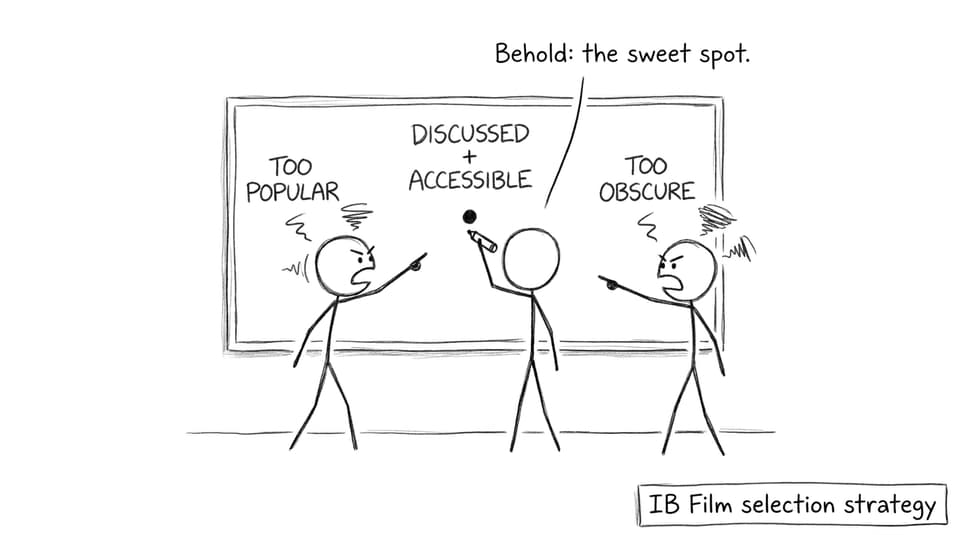
Don’t choose “too famous” or “too invisible”
Students often fall into one of two traps:
-
The blockbuster trap: the film is enjoyable, but your analysis becomes plot summary because the style is designed to feel “invisible.”
-
The obscurity trap: the film might be brilliant, but you can’t find reliable commentary, production notes, or critical writing.
The IB Film sweet spot is “discussed + accessible”, films with enough critical footprint to support research, but enough stylistic personality to analyze.
To strengthen your research process (without drowning in links), follow How to Research Film Effectively for IB Assignments.
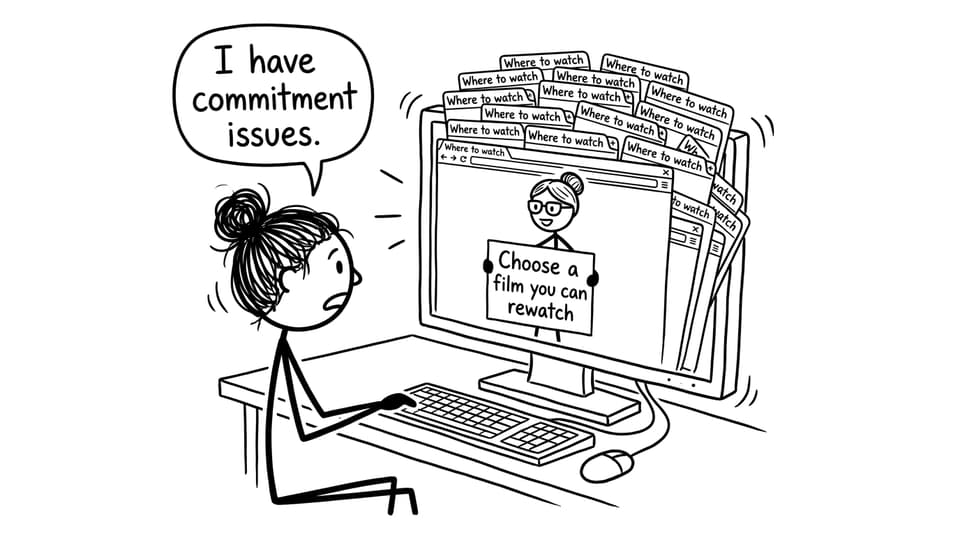
Pick something you can rewatch like a scientist
Textual analysis rewards repetition. The best IB Film choice is the one you can revisit with different “lenses” each time:
-
Watch once for story and character power shifts
-
Again for shot types and camera movement
-
Again for sound layers and silence
-
Again for editing rhythm and transitions
If access is messy (streaming disappears, rentals expire, subtitles vary), your analysis will suffer. Choose a film you can reliably return to.
Match the film to your strongest analytical “voice”
A small but powerful strategy: pick a film that lets you lead with your best skill.
-
If you naturally see images, choose a film with bold framing and lighting.
-
If you hear structure, choose a film with distinctive sound design.
-
If you think in rhythm, choose editing-driven storytelling.
This doesn’t mean avoiding weaknesses. It means starting from strength so your IB Film textual analysis sounds deliberate, not scattered.
RevisionDojo’s Study Notes and Flashcards help you keep film vocabulary precise, while AI Chat can quiz you on definitions and push you to link technique to effect. When you draft, the Grading tools can highlight whether you’re describing or actually analyzing.
Bring your film choice into focus with RevisionDojo
A smart IB Film textual analysis film is the one that keeps giving: technique you can name, context you can explain, and sequences you can revisit without guesswork. If you want to test whether your pick has enough depth, use RevisionDojo to stress-test it: build vocabulary with Flashcards, practice examiner-style prompts in the Questionbank, refine structure with Study Notes, and check your draft against criteria with the Grading tools. When you’re ready to level up, add Mock Exams and Predicted Papers for realistic practice.
Your job isn’t to find the “best film.” It’s to find the film that lets you do your best IB Film thinking, repeatedly, clearly, and on purpose.