

The quiet truth about studying for IB 41+
The first time you meet someone aiming for a 41+ in the IB, they rarely sound dramatic. They sound… calm. Not because they study 10 hours a day, but because their hours have a shape. They know what they’re doing when they sit down, and they stop when the job is done.
A 41+ typically means you’re performing near the top globally, with strong 6s and 7s plus solid TOK/EE execution and steady CAS follow-through. The myth is that this demands endless studying. The reality is more practical: consistent, exam-shaped practice over time.
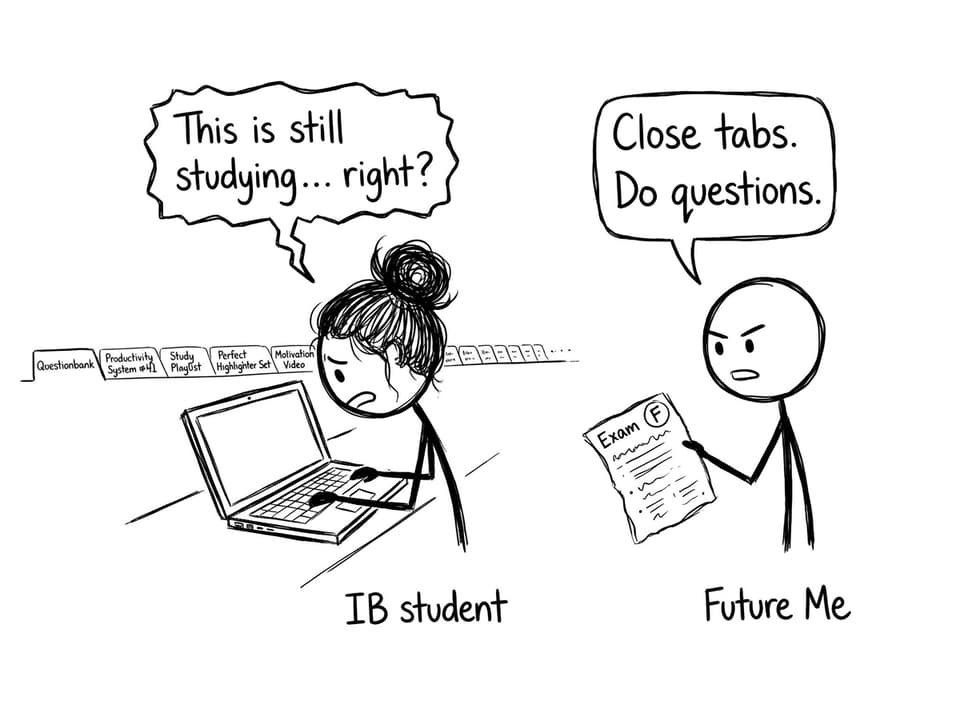
How many hours per day for IB 41+ (realistic ranges)
Think in weeks first, then divide into days. Most top scorers build up gradually.
In most of the year
-
Weekdays: 2--4 hours/day after school
-
Weekends: 4--6 hours/day split into 2--3 blocks
This is enough to keep every IB subject “warm” while still protecting sleep and sanity.
In the final stretch (roughly March--May)
- 5--8 hours/day depending on your exam load, foundations, and how many HLs feel heavy
If that number scares you, good. It should. The goal isn’t to jump there overnight. It’s to ramp up like training, not panic.
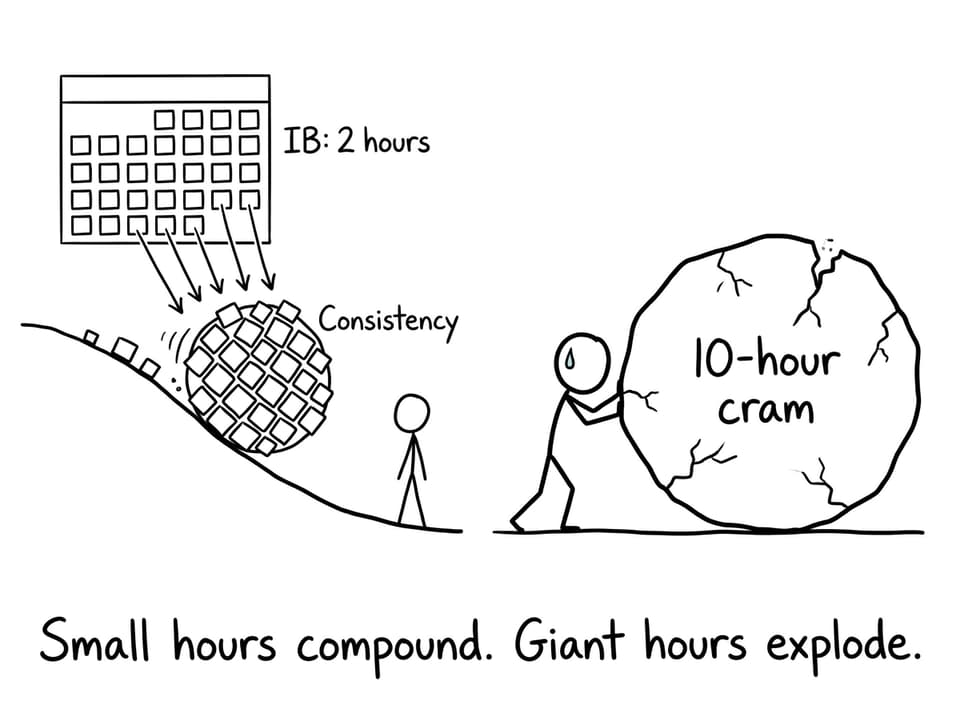
The 41+ advantage: quality beats heroic hours
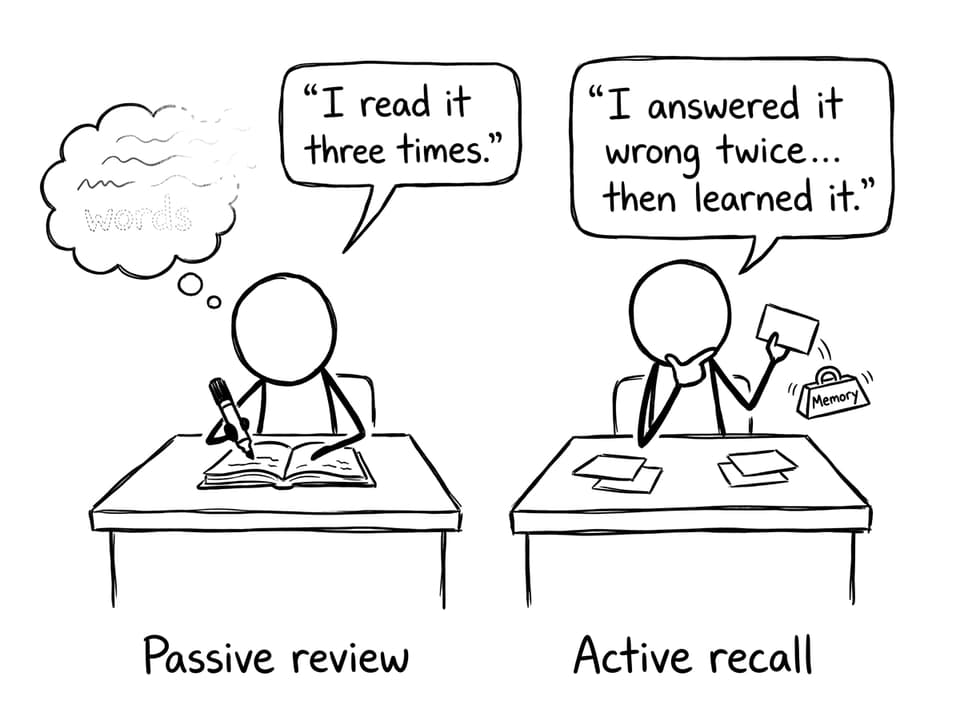
If your IB study time is mostly rereading and highlighting, more hours often just means more false comfort. Top scorers bias toward:
-
Active recall (Flashcards, closed-book blurts, self-quizzing)
-
Exam-style practice with fast feedback
-
Error logs: turning mistakes into repeatable “rules”
A simple way to build this is to base your sessions on questions, not notes. RevisionDojo makes that loop easier with the Questionbank, syllabus-aligned Flashcards, and a full ecosystem that includes Study Notes, AI Chat, Grading tools, Predicted Papers, Mock Exams, a Coursework Library, and Tutors.
A top-scorer daily plan (that doesn’t burn you out)
Use this as a default “IB loop” for a 90-minute block:
-
10 min: quick concept patch using Study Notes
-
35 min: targeted Questionbank set
-
15 min: mark, review, write 3 “error rules”
-
20 min: Flashcards (spaced repetition)
-
10 min: plan tomorrow’s first block
Two of these loops on a weekday gets you near the sweet spot for many 41+ candidates.
To go deeper, pair this post with:
Common mistakes that cap your IB score
-
Cramming late: the IB is too broad for last-minute comprehension
-
Ignoring EE/TOK/IAs: they’re not “extras,” they’re points
-
Studying without feedback: if you don’t mark, you don’t improve
If you want practice that feels like the real IB experience, build stamina with IB Predicted Papers and learn how to use them smartly in IB Predicted vs Specimen Papers: What They Mean. For question strategy, keep IB Question Bank: How to Use It Effectively open as your reference.
The takeaway (and the resource that makes it easier)
For a 41+ in the IB, a realistic target is 2--4 hours/day on weekdays, 4--6 hours/day on weekends, then a gradual ramp to 5--8 hours/day in the final stretch. The difference isn’t motivation. It’s structure: practice, feedback, and repetition.
If you want one place to run that structure, RevisionDojo brings together Questionbank, Study Notes, Flashcards, AI Chat, Grading tools, Predicted Papers, Mock Exams, a Coursework Library, and Tutors so your IB hours translate into points, not just effort.