
A question that usually shows up at 11:47 p.m.
At some point in the IB journey, IB Computer Science starts to feel less like a class and more like a quiet second job. Not because it’s impossible, but because the work is sneaky: a bit of theory here, an algorithm you almost understand there, and an IA task that somehow multiplies overnight.
So when you ask, “How many hours per week should I study for IB Computer Science HL?” you’re really asking something deeper: How do I get confident without burning out?
The good news is that HL success is less about extreme hours and more about consistent, well-targeted time.
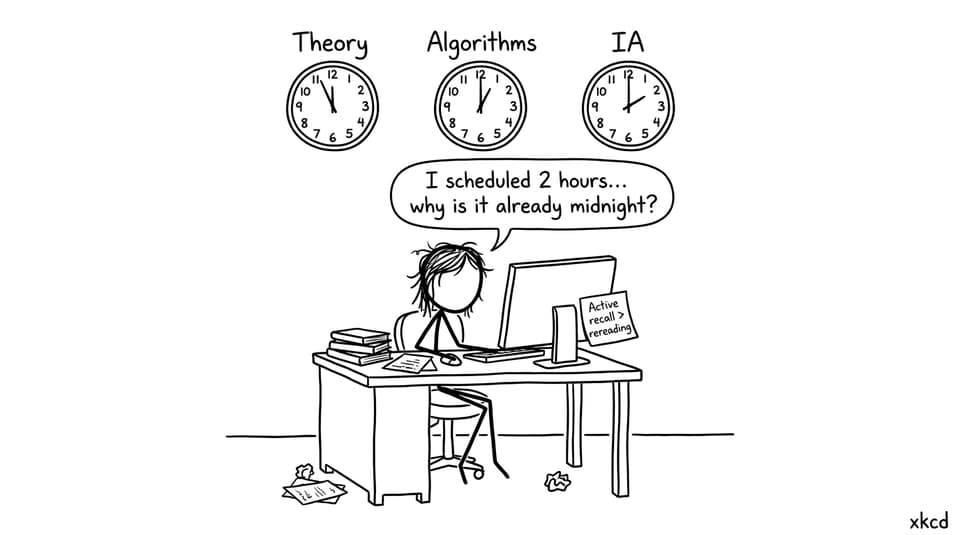
The realistic weekly hours (with a simple rule)
Most HL students do best with this range:
-
During most of the school year: 4–6 hours/week
-
In the final 8–10 weeks before exams: 7–10 hours/week
A helpful rule: if your sessions are active (retrieval practice, timed questions, error review), you’ll need fewer total hours than if you’re rereading notes and “watching” revision happen.
To anchor your revision, start from the official resource hub for IB Computer Science and build outward: IB Computer Science Resources.
A weekly plan that actually fits real life
Theory (2 hours/week) for IB Computer Science
Theory is where HL students quietly leak marks. Schedule two 60-minute blocks to cover definitions, command terms, and explanation-style writing.
Use quick, targeted review instead of endless scrolling through a textbook. If you’re revising databases, go straight to a focused path like IB Computer Science A. Databases and turn the key ideas into Flashcards.
Algorithms + pseudocode (2 hours/week) for IB Computer Science
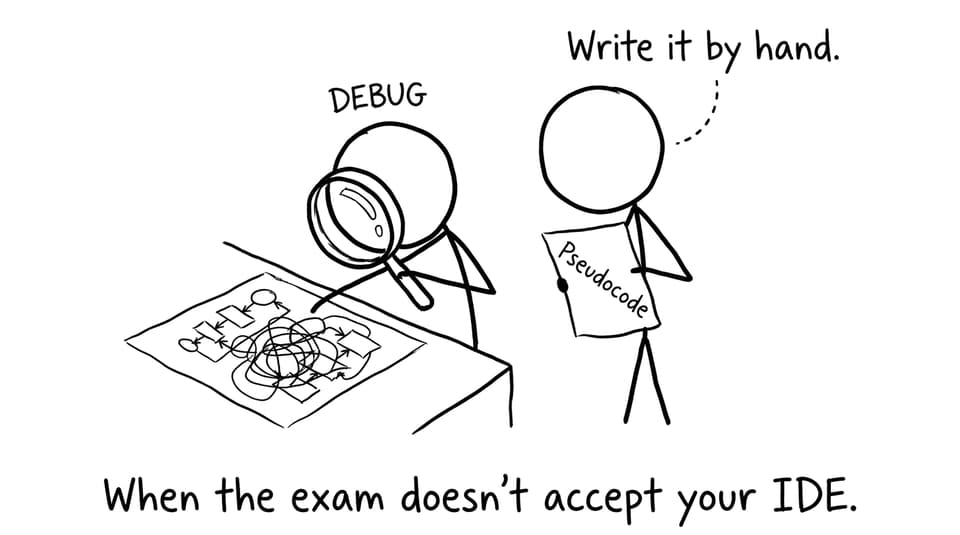
HL rewards clear thinking under time pressure. Spend two sessions practicing algorithms and writing pseudocode by hand. Your hands should feel slightly annoyed--that’s how you know you’re training for exam conditions.
For exam-style practice, pull from topic sets in the Questionbank, like System Fundamentals Questionbank or D.3 Program Development Questionbank. Then use RevisionDojo’s AI Chat to ask, “What markband would this answer hit, and why?”
IA progress (1–2 hours/week) for IB Computer Science
Your IA rarely fails because of coding. It usually slips because documentation gets postponed until it feels heavy.
Make IA progress boring and predictable: one session for development/testing, one for writing and evidence (screenshots, test tables, client feedback). If you need structure, keep these open while you work:
RevisionDojo also helps with IA confidence through Coursework Library exemplars like IB Computer Science IA Examples and the IB Computer Science IA Grader, so you’re not guessing what “good enough” looks like.
Timed exam practice (1–2 hours/week) for IB Computer Science
Once per week, do a timed set. Then spend the second half of the session reviewing mistakes and rewriting weak responses.
If you want full-paper stamina, build Mock Exams using RevisionDojo’s tools and add variety with Computer Science Predicted Papers.
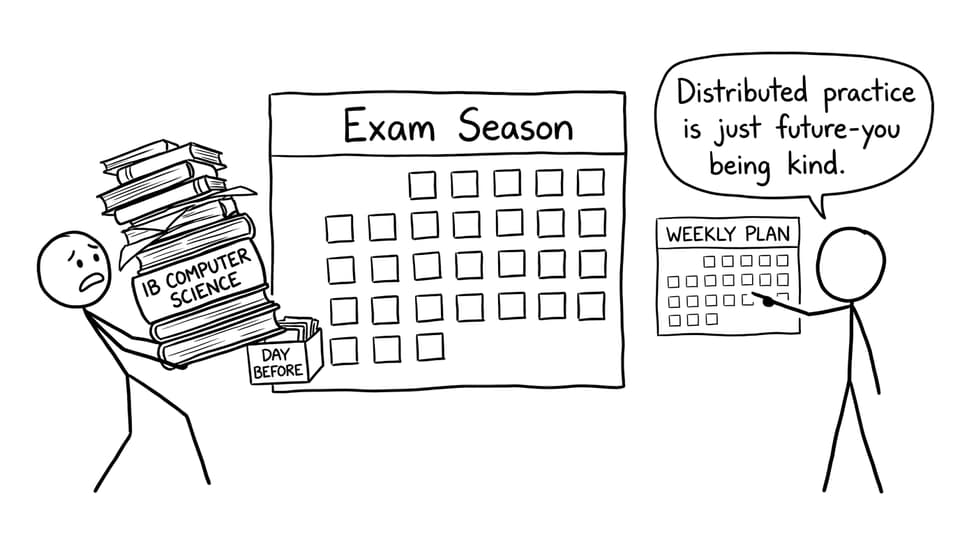
Adjusting hours by your target grade
-
Targeting a 5: 3–4 hours/week, with consistent theory review and steady IA completion.
-
Targeting a 6: 5–6 hours/week, balancing theory, algorithms, and weekly timed practice.
-
Targeting a 7: 7–10 hours/week near exam season, with heavier Questionbank volume, stricter timing, and deeper error analysis.
If you’re stuck between levels, this guide helps you diagnose what’s actually holding you back: Fastest Way to Improve from a 5 to a 7 in IB Computer Science.
Closing: study fewer hours, but make them count
For most students, IB Computer Science HL takes 4–6 hours per week during the year, rising to 7–10 hours as exams approach. The difference between stress and confidence is rarely raw time. It’s whether your hours are split wisely between theory, algorithms, IA progress, and timed exam practice.
If you want a simple way to make every session sharper, build your plan around RevisionDojo: Study Notes for fast understanding, Flashcards for active recall, Questionbank for exam-style repetition, Predicted Papers and Mock Exams for timing, AI Chat for instant explanations, and Grading tools for honest feedback. That’s how IB Computer Science stops feeling endless--and starts feeling manageable.


