

The day your child starts the IB, the word University quietly moves into your home.
It shows up in conversations that begin with “after the exams,” in late-night stress spirals, and in the unspoken pressure of predicted grades. And the tricky part is this: University is a distant horizon. The IB is the weather you have to live in every day.
So motivation doesn’t usually fail because students don’t care. It fails because the finish line is too far away to feel real.
Celebrating small wins is how you make progress visible again. Not with fake hype. Not with “you’re amazing!” on days they feel anything but. With calm, specific recognition that tells them: I see the work. I see the grit. And this step counts.
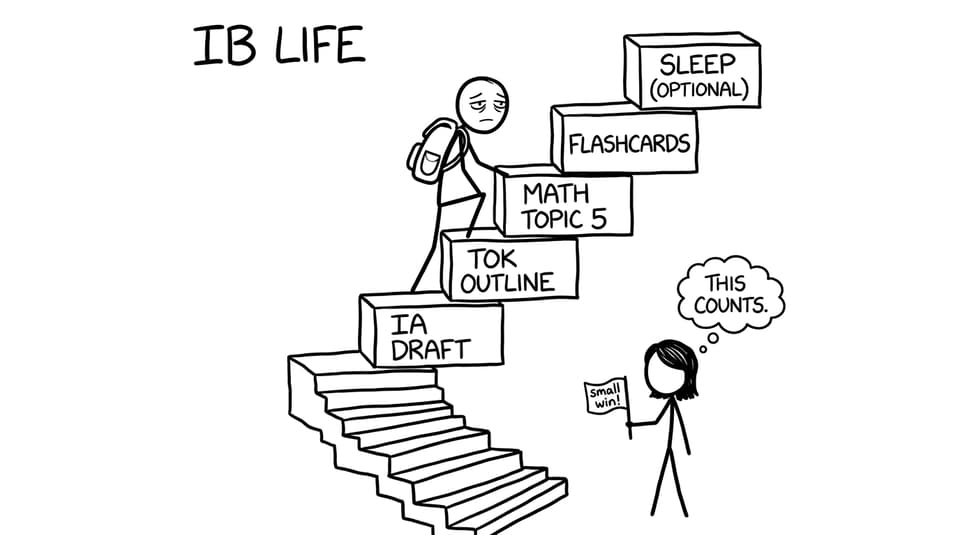
Small wins are how IB students stay motivated for University
There’s a simple reason small wins matter: the brain is built for feedback.
A two-year plan like “get into University” is emotionally vague. But “finish an IA draft” is concrete. When your child completes something measurable, they get proof they can move forward. Proof beats pressure.
Small wins also do something more subtle. They change the story your child tells themselves.
-
Instead of “I’m behind,” it becomes “I can catch up in pieces.”
-
Instead of “I’m not smart enough for University,” it becomes “I can improve with reps.”
-
Instead of “IB is endless,” it becomes “today had an endpoint.”
If you want a wider picture of how parents can support teens without turning every evening into a negotiation, this guide helps: How Can I Support My Teen During IB Exam Season Without Adding Pressure.
A quick checklist: what counts as a “small win” in IB?
Use this as a simple filter. A small win is any action that is:
-
Specific (you can name it)
-
Effortful (it required discipline or courage)
-
Repeatable (it builds a habit)
-
Connected to exam performance or coursework progress
Examples worth celebrating:
-
Completing a first draft of an IA section
-
Moving from a 4 to a 5 on a topic quiz
-
Doing three focused Questionbank sessions in a week
-
Applying teacher feedback instead of avoiding it
-
Finishing a TOK outline without perfectionism
-
Staying calm during an oral or timed writing
The long road to University is built from these smaller bricks.
How to celebrate small wins without making it cringe
Teens can smell forced enthusiasm from three rooms away. The goal is not to “act excited.” The goal is to be precise.
Notice effort, not identity
Try language that describes what you saw, not who they are.
-
“You kept going even after that first question went badly.”
-
“I noticed you started without waiting to feel ready.”
-
“You took feedback and actually used it. That’s rare.”
This lands better than global praise because it feels true. And it builds the skills that matter for exams and University life: self-management, resilience, follow-through.
Keep it short, then get out of the way
A small win doesn’t need a speech. Often, the best celebration is a quick moment of recognition and then letting them return to their autonomy.
If you want your child to feel ownership, let the win stay theirs.
Turn milestones into small rituals
Rituals work because they remove decision fatigue. Your child doesn’t have to wonder if their work matters. The ritual answers that question repeatedly.
Ideas that feel age-appropriate:
-
A favorite dinner after finishing a major draft
-
A short walk together after an exam week
-
A “Sunday reset” where they choose one relaxing activity after planning the week
A ritual is not a reward bribe. It’s a signal: our home notices progress.
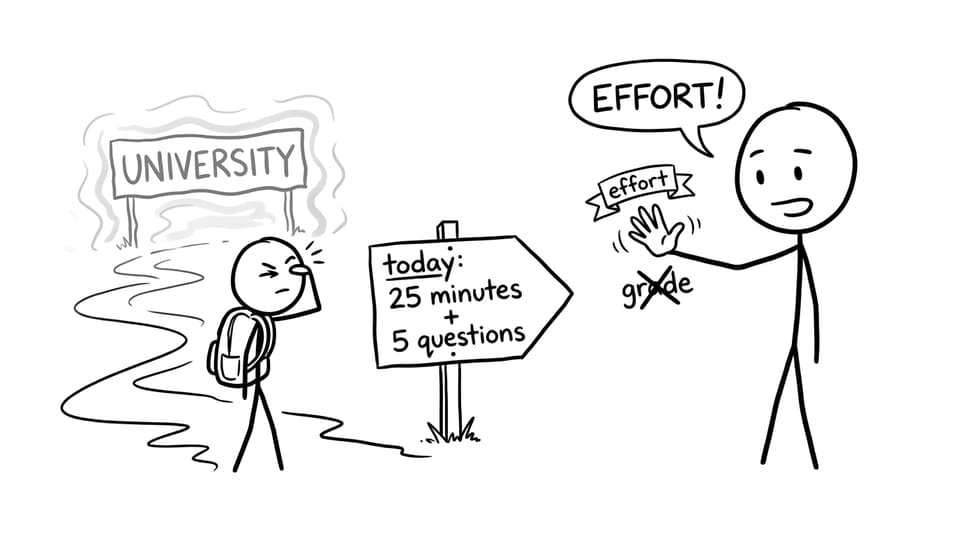
Autonomy is the most motivating reward (and it scales to University)
Material rewards can work occasionally, but they become transactional fast. Autonomy-based rewards are different. They respect your teen’s growing independence, which is exactly what University will demand.
Try rewards like:
-
Choosing the movie or meal for the family
-
Extra downtime after a timed practice session
-
A later bedtime on Friday after a consistent study week
-
One “no-questions-asked” rest block on the weekend
The psychology here is simple: autonomy tells them, “I trust you.” Trust is motivating.
Track progress visually so wins don’t disappear
One reason IB feels endless is that progress is invisible. The student studies, forgets, studies again, and assumes nothing changed.
Make wins visible with a system that has low friction:
-
A weekly checklist on a whiteboard
-
A simple notes app list with checkmarks
-
A “done list” (what they completed, not what they failed to do)
If your child uses RevisionDojo, the platform does this naturally through structured practice loops and performance feedback.
A useful starting point is building a routine around targeted practice: IB Question Bank | How to Use It Effectively. When students can see accuracy change over time, motivation becomes evidence-based, not hope-based.
Common celebration mistakes that quietly kill motivation
Small wins work best when they feel meaningful. These are the traps that make celebration backfire.
Only celebrating outcomes
If you only react to high grades, your teen learns that effort is irrelevant unless it pays off immediately. That’s a dangerous lesson for IB and for University, where delayed payoff is normal.
Over-rewarding everything
If every worksheet gets a prize, nothing feels special. Worse, it teaches students to outsource motivation.
Comparing to classmates
“Your friend got a 7” is motivational poison. The comparison sets a moving target and adds social anxiety to academic stress.
Turning praise into pressure
Saying “You’re so smart” can become a trap. Students start protecting the label instead of taking risks.
If your teen is feeling demoralized by predicted grades, this perspective is calming and practical: IB Predicted Grades Don’t Define You (Here’s What Does).
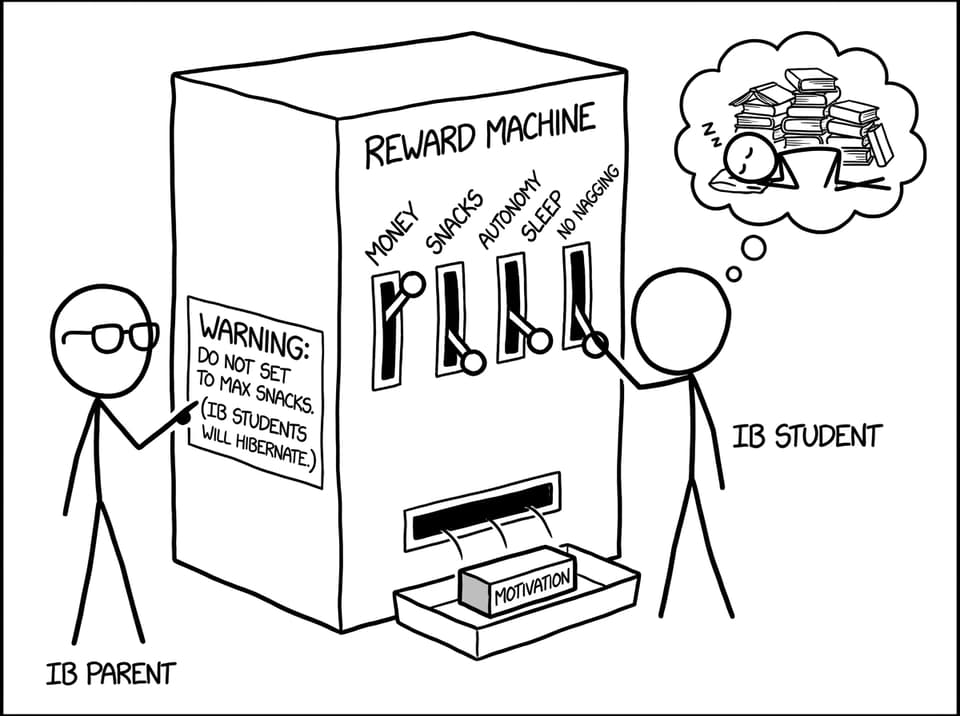
How RevisionDojo helps you and your child celebrate small wins (without nagging)
The best small wins are the ones you don’t have to invent. You just notice them.
RevisionDojo creates natural celebration points because the work is structured:
-
Questionbank practice gives clear, measurable progress students can feel
-
Study Notes reduce the time wasted “reading without absorbing,” so effort turns into results
-
Flashcards make daily consistency easy to spot and celebrate
-
AI Chat helps students unblock confusion fast, which is a win in itself
-
Grading tools turn vague feedback into specific next steps
-
Predicted Papers and Mock Exams create realistic rehearsal milestones
-
Coursework Library helps students see what “good” looks like for IAs and writing tasks
-
Tutors provide human support when motivation dips or concepts won’t click
If your child needs a clearer practice loop that produces frequent, legitimate wins, start here: Questionbank. For realistic exam rehearsal, explore: IB Predicted Papers by IB Examiners (Free).
To keep the momentum going during revision season, these reads pair well with the small-wins approach:
-
How to Stay Motivated During IB Revision: Tips from Top Scorers
-
Best IB Mock Exam Platform: Why Students Choose RevisionDojo
Closing: University is the destination, small wins are the fuel
Your child doesn’t need constant cheering. They need a way to feel that effort is turning into movement.
The IB is a long season. University sits at the far end of it, inspiring and intimidating at the same time. Celebrating small wins is how you shorten the distance emotionally. One finished draft. One improved score. One week of consistency. One brave attempt under timed pressure.
If you want those wins to be easier to spot and easier to repeat, build them into a system. Use RevisionDojo’s Study Notes, Flashcards, Questionbank, AI Chat, Grading tools, Predicted Papers, Mock Exams, Coursework Library, and Tutors to turn effort into clear milestones you can actually celebrate.
Start small, but start today, because the path to University is mostly made of ordinary days done well.