


Cybersecurity questions in IB Computer Science often feel unfair for one reason: you can understand the story, spot the “bad thing,” and still lose marks because you named the wrong role. In the examiner’s world, “who/what can cause harm” and “what makes harm possible” are not the same idea. And when you blur them, your answer blurs too.
This post makes the distinction simple, memorable, and exam-ready for IB Computer Science.
The 15-second checklist (what examiners want)
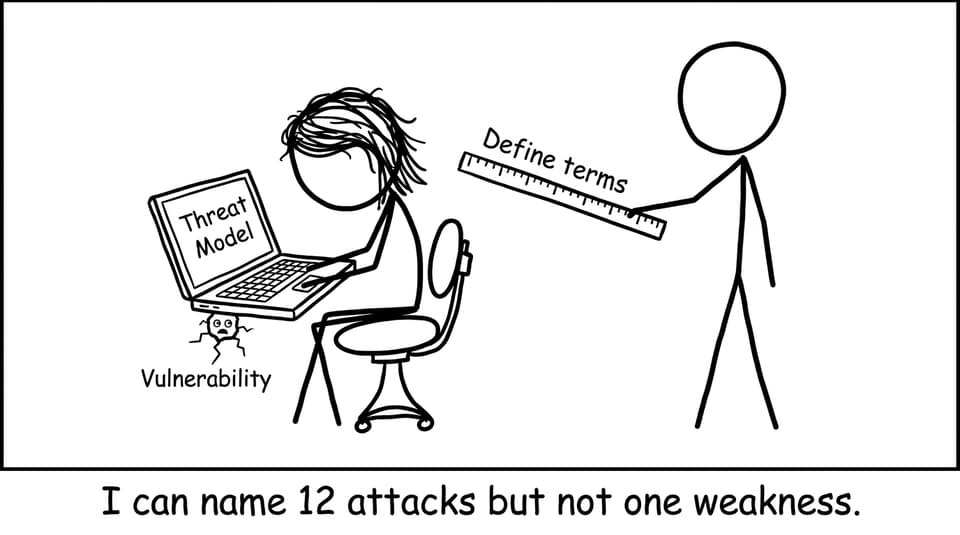
When you see a scenario, quickly label three boxes:
-
Threat = the potential cause of harm (actor/event/attack)
-
Vulnerability = the weakness the threat can exploit
-
Control = the protection that reduces likelihood or impact
To practice these labels under time pressure, use RevisionDojo’s A2.4 Network security Questionbank and build timed drills with the IB Computer Science resources hub.
What is a cybersecurity threat in IB Computer Science?
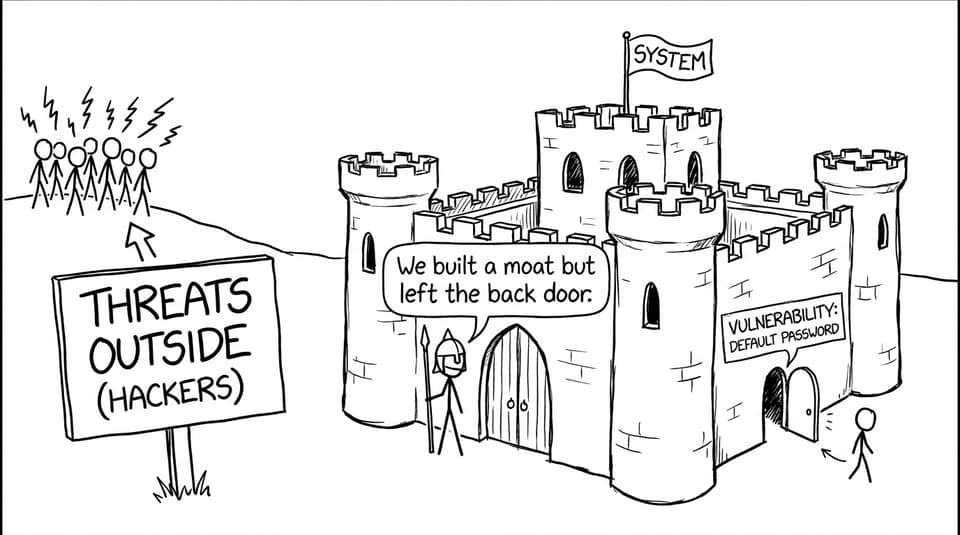
A cybersecurity threat is anything with the intent, capability, or potential to damage a system, steal data, or disrupt services. In IB Computer Science, threats are typically described as attacks or threat actors.
Common examples you can safely use in exam explanations:
-
Malware (e.g., viruses, worms, Trojans)
-
Phishing or other social engineering
-
Denial of Service (DoS/DDoS)
-
Unauthorised access attempts
If you want tight definitions and examples, pair this with Network Security Threats IB Computer Science Students Must Know and the clearer malware breakdown in Malware Types Explained: Viruses, Worms, and Trojans.
What is a vulnerability in IB Computer Science?
A vulnerability is a weakness inside the system (technical or human) that makes a successful attack more likely. In IB Computer Science, vulnerabilities answer the quiet question underneath every incident: “Why did that work?”
Typical vulnerability examples:
-
Weak or reused passwords
-
Outdated software or missing patches
-
Misconfigured permissions or access control
-
User behaviour gaps (falling for phishing, unsafe downloads)
The wording matters: threats are outside pressure; vulnerabilities are inside fragility.
Threats exploit vulnerabilities: the relationship that earns marks
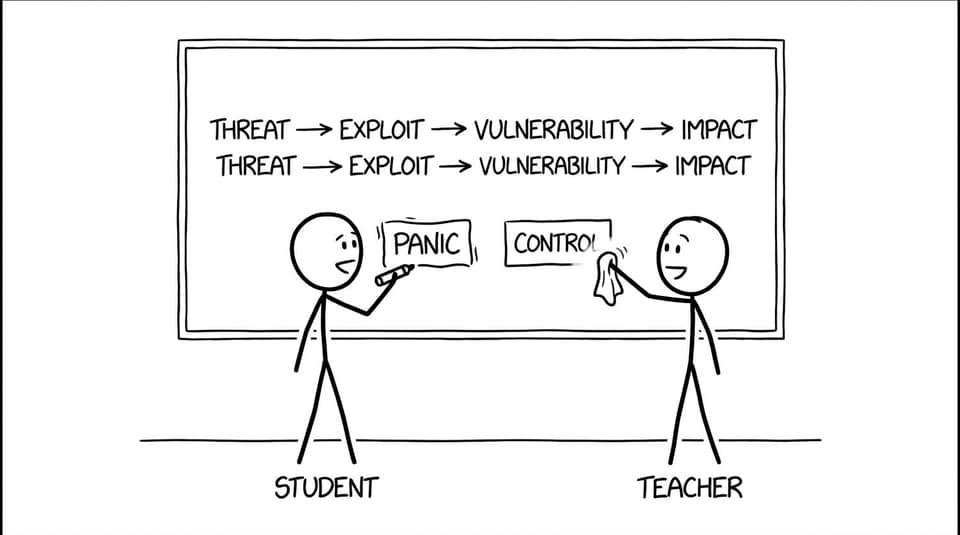
In IB Computer Science, the highest-scoring answers show cause and effect:
-
A threat attempts an attack
-
The attack succeeds because a vulnerability exists
-
A control reduces the risk by blocking the exploit or limiting damage
A key nuance: a vulnerability can exist without being exploited, and a threat can exist without succeeding. The damage happens when they meet.
Want to see this framed like the syllabus expects? Use Risk Assessment Explained for IB Computer Science to connect “threat + vulnerability” to likelihood and impact.
A mini exam-style scenario (and how to phrase it)
Scenario: A school portal stores student data.
-
Threat: an attacker attempts credential stuffing or brute-force login.
-
Vulnerability: weak password policy (short passwords, no lockout).
-
Controls: MFA, rate limiting, account lockout, user training.
Exam phrasing tip for IB Computer Science: write one sentence that links the two.
“The threat is unauthorised access; it succeeds because the vulnerability is weak authentication, allowing repeated guesses without lockout.”
To strengthen your “controls” vocabulary, review A2.4.1 Effectiveness of Firewalls at Protecting a Network and security-in-transit basics in HTTP vs HTTPS: Security Explained for IB Computer Science.
Common mistakes IB Computer Science students make
-
Listing threats only (no vulnerability = no explanation)
-
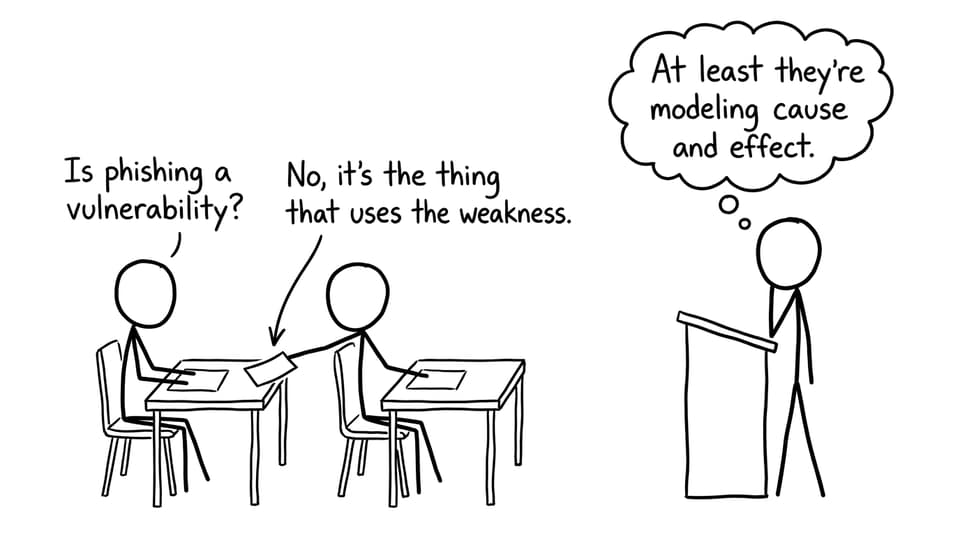
Calling an attack method a vulnerability (“phishing is a vulnerability”)
-
Writing controls without saying what they control
Fix: always include the “because” sentence linking threat to vulnerability.
Conclusion: turn definitions into marks
If you remember one line for IB Computer Science, make it this: threats exploit vulnerabilities, and controls reduce risk. That structure is how examiners read your answer.
When you want to practise quickly, RevisionDojo is built for this exact skill: rapid scenario practice in the Questionbank, recall support with Flashcards and Study Notes, instant clarity via AI Chat, and confidence-building with Mock Exams, Predicted Papers, and Grading tools. Start at the IB Computer Science resources hub and train the “threat vs vulnerability” pattern until it becomes automatic.


