

If you have ever watched a great idea collapse under its own ambition, you already understand the hardest part of IB Computer Science: choosing an IA topic that is impressive and finishable.
The IA is not the place to build the next global app. It is the place to prove, calmly and clearly, that you can solve a real client problem with thoughtful design, solid development, and evidence-led testing. In IB Computer Science, the topic is your first strategic decision. Make it well, and everything else gets easier.
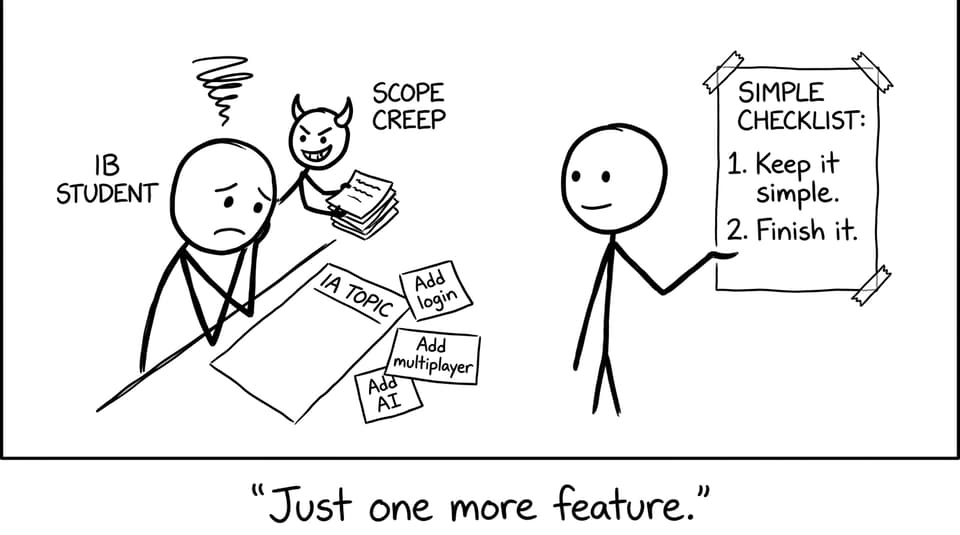
Quick IA Topic Checklist (Save This)
Before you commit, run your idea through this fast filter. A strong IB Computer Science IA topic should:
-
Solve a real problem for a real client (teacher, club leader, family business, etc.)
-
Be doable within the IA timeframe (think focused, not massive)
-
Let you show algorithmic thinking (not just basic input-output)
-
Create clear success criteria you can test and evaluate
-
Produce documentation you can explain without apologizing
If you want the bigger picture of what the IA expects, keep IB Computer Science Internal Assessment (IA): Ultimate Guide open as you brainstorm.
What Makes a High-Scoring IB Computer Science IA Topic?
In IB Computer Science, examiners reward projects that feel like real software development rather than a rushed class demo.
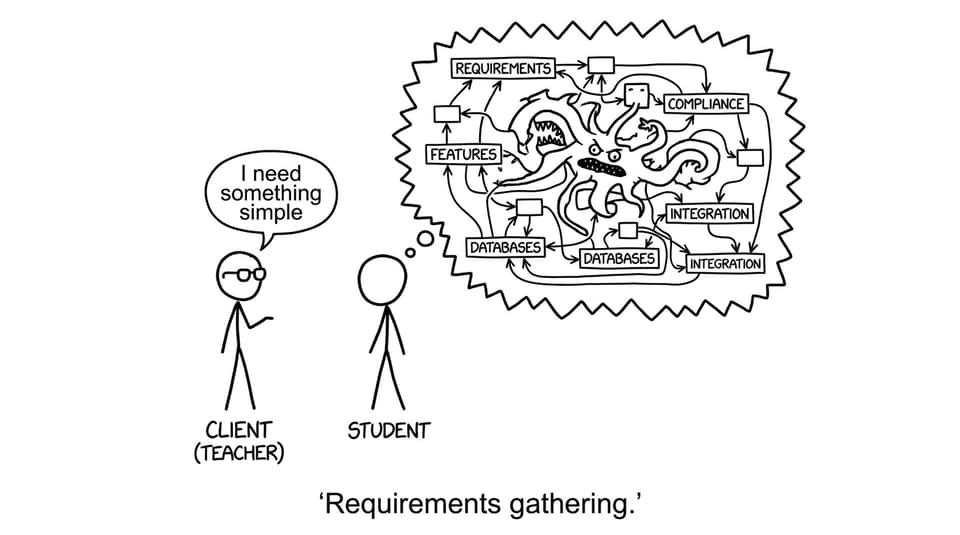
A real client, not a pretend user
A client changes everything. Suddenly you can justify requirements, constraints, and feedback. That helps you score across planning, analysis, testing, and evaluation.
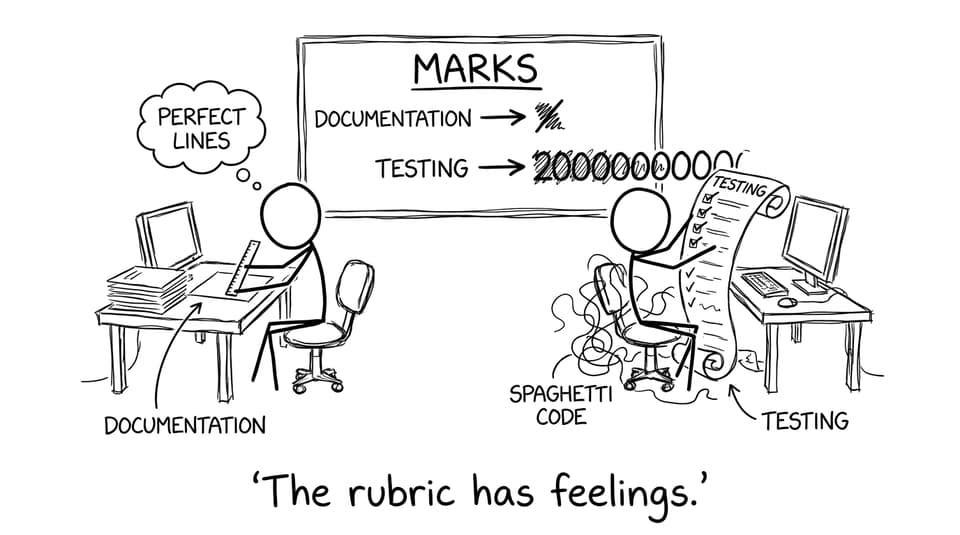
To align your work with examiner expectations, skim What Does the IB Computer Science IA Rubric Look For? before you lock your topic.
Manageable scope with room for sophistication
The highest-risk move in IB Computer Science is choosing a topic that forces you to cut corners in testing or documentation. Better to build something smaller that is well-tested, well-explained, and clearly evaluated.
If you are panicking about code size, read How Many Lines of Code Should My IB Computer Science IA Have. It is more freeing than you think.
Clear places to show algorithms and data handling
Your topic should naturally invite decisions like:
-
Which data structure fits the client’s needs?
-
What algorithm improves speed or accuracy?
-
How do you validate and store data safely?
For a quick refresher on the thinking skills behind strong solutions, revise Fundamental Concepts of Computational Thinking.
Best IA Topics for IB Computer Science (With Why They Work)
These IB Computer Science IA ideas tend to score well because they combine a clear client, realistic scope, and rubric-friendly evidence.
School or club scheduling system
Build a tool that manages bookings for rooms, equipment, tutoring sessions, or club events. You can include authentication, conflict detection, and an admin view without turning it into a giant platform.
Quiz generator and performance tracker
A client (teacher or younger student) wants targeted practice. You can add question randomization, spaced repetition logic, item analysis, and simple analytics. This pairs nicely with RevisionDojo-style learning tools like Flashcards and active recall.
Inventory and ordering tool for a small organization
Think: lab chemicals, sports gear, charity supplies, or a family business stockroom. You get meaningful CRUD operations, reports, edge cases, and client-driven success criteria.
Fitness or wellbeing habit tracker (client-led)
This works when it is genuinely for a client and has measurable goals. The sophistication comes from reminders, trend analysis, and careful data validation.
Library search-and-lend system
A classic IB Computer Science IA option because it naturally includes searching, sorting, and database thinking. It also creates obvious testing scenarios.
For more inspiration, compare your brainstorms to Examples of Good IB Computer Science IA Projects.
IA Topics to Avoid (Or Narrow Aggressively)
Some ideas are not “bad” in IB Computer Science. They are just hard to score well with.
Big social apps
Too much surface area: messaging, feeds, moderation, accounts, security. You end up with unfinished features and thin evaluation.
Pure calculators and converters
Often too simple to demonstrate depth. Unless there is real client complexity (special rules, data, reports), it is hard to justify sophistication.
Games without a genuine client need
Games can work, but many fail the client/problem requirement. If you do one, anchor it to a real user goal (training, education, accessibility) and keep scope tight.
How RevisionDojo Helps You Turn a Topic Into Marks
A lot of students treat the IA like a coding project. In IB Computer Science, it is a rubric project. RevisionDojo is built around that reality.
Use:
-
The IB Computer Science IA Grader to self-check rubric alignment early
-
IB Internal Assessment Guides to structure your planning, design, testing, and evaluation
-
The Coursework Library with Computer Science IA Exemplars and IB Computer Science Exemplars to see what “good” looks like
-
Core features like Study Notes, Questionbank, Mock Exams, Predicted Papers, Flashcards, AI Chat, and Tutors to keep exam prep moving while your IA progresses
If you need a wider plan to balance coursework and tests, the IB Computer Science tag hub is a strong starting point.
Conclusion: Pick a Topic You Can Finish Proudly
The best IA topics in IB Computer Science feel almost humble at first: a real client, a real problem, a realistic scope. Then you build depth through algorithms, data handling, testing, and evaluation that reads like professional work.
If you want to choose a topic with confidence, use RevisionDojo to stay rubric-aligned from day one: check exemplars, run your idea through the IA grader, and keep your exam preparation strong with the Questionbank, Study Notes, Flashcards, Mock Exams, Predicted Papers, AI Chat, and Tutors. Your future self will thank you when the deadline arrives and your IB Computer Science IA is not just finished, but finishable again in hindsight.