



Your IB predicted grade can feel like a tiny number with a huge shadow.
It’s the grade that slips into university applications and quietly tells a story about you before you get to finish the book. And when that story feels wrong, when you’ve improved, when you’ve changed, when you’re finally taking the IB seriously, the temptation is to either say nothing or to say too much.
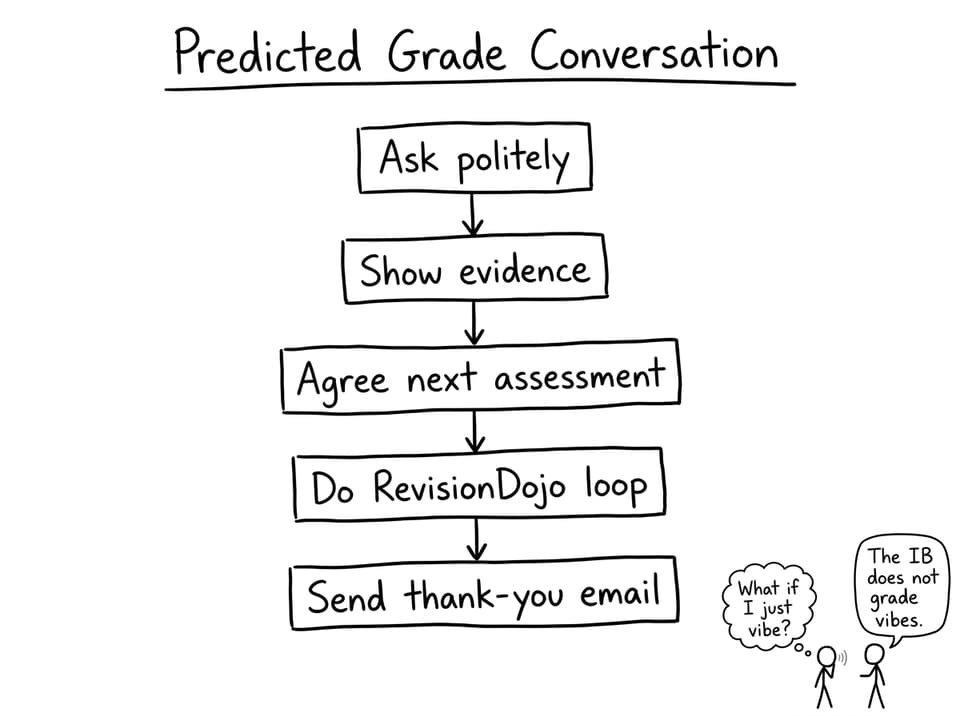
There’s a third option: ask, calmly and strategically, in a way that makes it easy for your teacher to say “yes” (or at least “here’s what would change my mind”).
What predicted grades mean in the IB (and what they don’t)
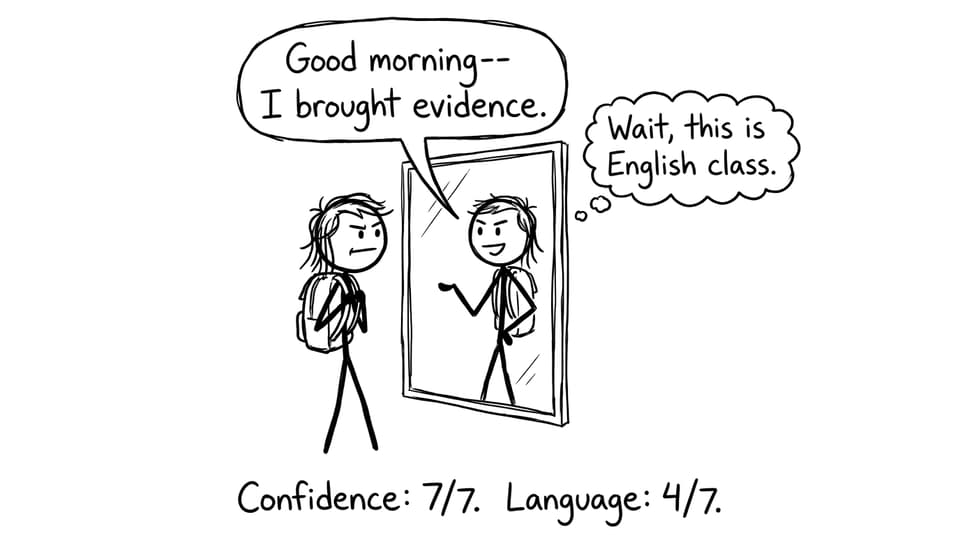
In the IB, predicted grades are a teacher’s best estimate of what you’re likely to earn in the final assessment, based on the evidence they’ve seen so far. The key word is “evidence.”
Predicted grades are usually shaped by a mix of your recent assessments, in-class performance, mock exam results, and how reliably you perform under timed conditions. They are not a reward for effort, and they’re not a referendum on your personality.
If you need a clearer picture of how schools typically form these predictions, read How to Interpret IB Predicted Grades and Improve Them and How to Calculate My Predicted Grade in IB (Step-by-Step). Both help you translate “I feel underestimated” into specifics you can actually discuss.
The non-pushy checklist (use this before you ask)
Before you speak to your teacher, do a quick self-audit. In the IB, the most persuasive students aren’t louder; they’re clearer.
-
Do I have recent evidence that’s stronger than the evidence used for my prediction?
-
Can I name the exact skill that improved (timing, essay structure, data analysis, command terms, accuracy)?
-
Have I been consistent for at least 2-4 weeks?
-
Can I show a plan for what I’ll do next, not just what I want now?
-
Do I know the school’s deadline for when predicted grades are finalized?
If you can answer most of these with “yes,” you’re not being pushy. You’re being prepared.
How to ask your IB teacher for a better predicted grade (the respectful way)
A good predicted grade conversation in the IB is less like negotiation and more like collaboration. Your teacher is balancing fairness, policy, and proof. Your job is to make proof simple to see.
Choose timing that shows maturity
Avoid the hallway ambush. Avoid the post-test emotional spiral. Ask for a short meeting, or send a brief email requesting one.
A simple message works:
Hi [Name], could we schedule a quick chat this week about my IB predicted grade for [subject]? I’d appreciate your feedback on what evidence you’re using and what I can do to improve it.
This framing matters. You’re asking for feedback and clarity first, which is exactly how teachers think.
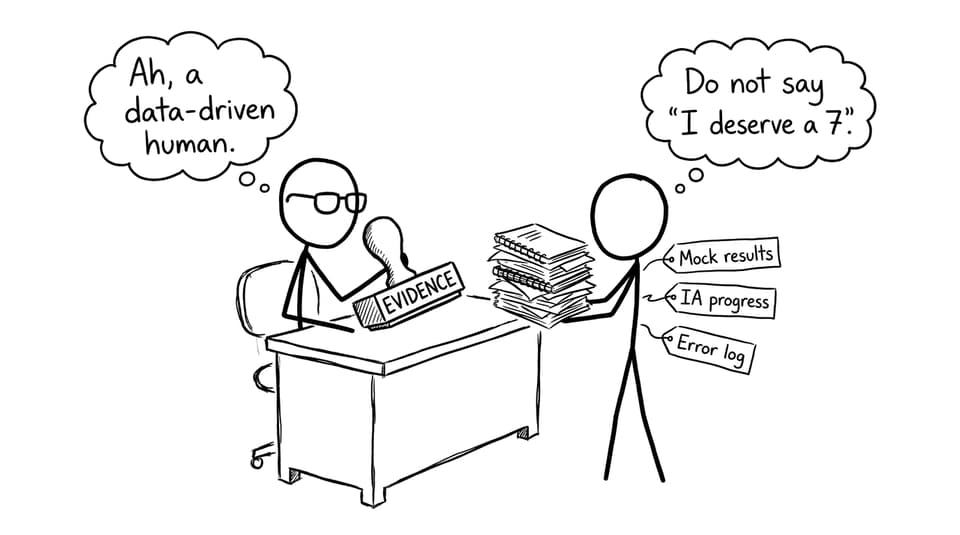
Bring a one-page “evidence update”
Bring a short summary (one page max):
-
Your recent scores (especially timed ones)
-
One or two concrete examples of improved work
-
Any coursework progress that’s relevant (drafts, rubric criteria, teacher comments)
-
A short plan for the next 2 weeks
If you want to sanity-check where you stand overall, use the IB Grade Calculator to translate marks into likely boundaries and targets. It helps you talk in realistic ranges, not hopes.
Use language teachers can respond to
Here’s what respectful confidence sounds like in the IB:
-
“I know my earlier performance pulled my prediction down. Since then, my [Paper/essay/test] scores have improved, and I’d like to understand what you would need to see to consider an update.”
-
“Could you tell me which criteria or question types are holding me back from the next grade boundary?”
-
“If I score X on the next timed assessment, would that be enough evidence to revisit my predicted grade?”
Notice what’s happening: you’re not demanding a grade. You’re asking for a standard.
Don’t compare yourself to other students
Comparisons make teachers defensive because they turn an academic decision into a social one. In the IB, predicted grades must be justifiable. “But you gave Alex a 7” is not evidence.
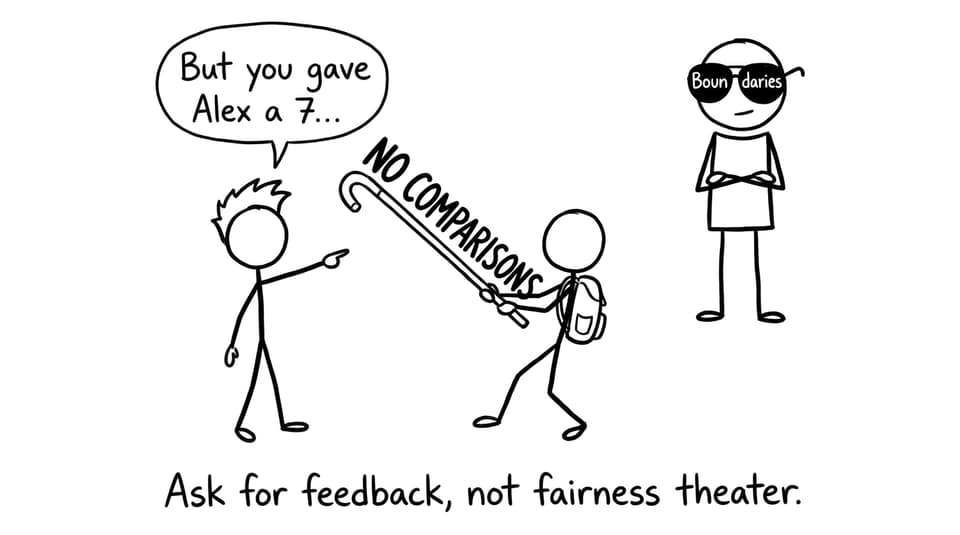
If you feel the comparison urge rising, replace it with: “What would a grade higher response look like in this subject?” That question keeps the conversation professional.
Explain stakes briefly, then return to evidence
It’s fine to say predicted grades matter for university. Keep it short, then pivot back to proof.
Example:
I’m applying to programs where the predicted in this subject matters. I’m not asking for a favor; I’m asking what evidence I can produce in the next few weeks to show I’m performing at the higher level.
That sentence does two things: it shows honesty, and it protects your teacher from feeling pressured.
What to do after the meeting (this is where IB students win)
The meeting is not the finish line. In the IB, teachers update predictions when the student’s pattern updates.
Turn the feedback into a small, repeatable loop:
-
Use RevisionDojo for IB to keep everything in one place.
-
Drill weak topics in the Questionbank until you can reproduce marks under pressure.
-
Tighten understanding quickly with Study Notes, then lock it in with Flashcards (short daily sessions beat heroic weekends).
-
Use AI Chat to diagnose mistakes in mark-scheme language, not vague motivation.
-
Train realism with IB Predicted Papers and subject rehearsals like IB English Lang & Lit Predicted Papers.
-
If you need more structure for timed performance, read Best IB Mock Exam Platform: Why Students Choose RevisionDojo.
-
If you’re recovering from a disappointing prediction, IB Predicted Grades Don’t Define You (Here’s What Does) is a strong reset.
The quiet advantage is that this creates visible evidence your teacher can’t ignore: timed attempts, tracked improvement, and clearer responses.
Closing: ask for standards, then meet them
The secret to asking for better predicted grades in the IB is that you’re not really asking for a number. You’re asking for a pathway.
When you show evidence, ask for clear standards, and follow up with visible improvement, you stop sounding pushy and start sounding serious. And serious is a language every IB teacher understands.
If you want that evidence to be easy to build, use RevisionDojo as your system: Questionbank for targeted marks, Study Notes and Flashcards for retention, AI Chat and Grading tools for feedback, and Predicted Papers plus Mock Exams for exam realism. Then your next predicted grade conversation won’t be a plea; it’ll be an update.