
If you have ever watched two students revise side by side, you will notice something quiet but important. One is building a tower: neat topic lists, clear chapters, a finish line called “the exam.” The other is building a map: connections, reflections, projects, and a sense that learning is bigger than the test.
That contrast is the heart of the GCSE vs MYP decision.
For IB students preparing for exams, this choice matters because it shapes how you think, how you write, and how you handle pressure. The good news is that both routes can lead you into the IB Diploma Programme with confidence. The better news is that once you understand the trade-offs, the right option often becomes obvious.
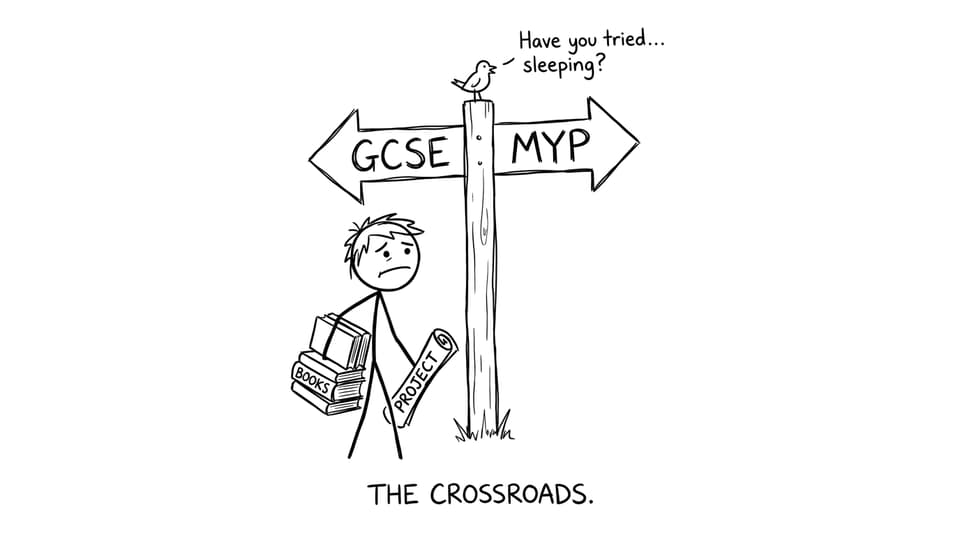
GCSE vs MYP at a Glance (Quick Checklist)
Use this checklist to anchor your decision. If you are nodding “yes” more often in one column, you probably have your answer.
-
You want subject depth and clear exam targets: GCSE
-
You want broad balance across disciplines until age 16: MYP
-
You work well with external exams at the end of a course: GCSE
-
You prefer steady performance across projects, tasks, and criteria: MYP
-
You like specialising earlier with elective choices: GCSE
-
You like learning through big questions and interdisciplinary links: MYP
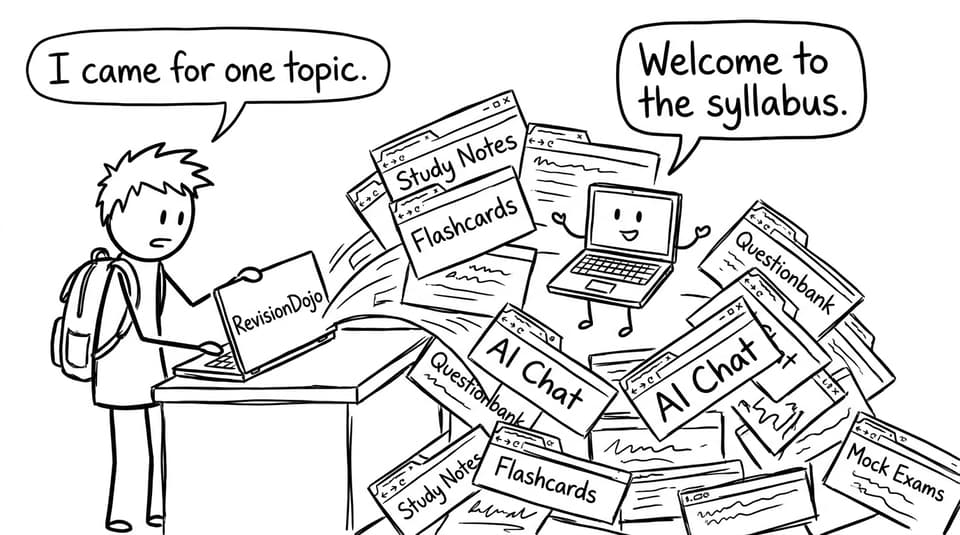
If you are already thinking ahead to IB exam technique, it helps to build habits now. RevisionDojo’s study loop (Study Notes -> Flashcards -> Questionbank -> AI feedback) is designed for that transition, whether you come from GCSE or MYP. Start with the broader IB ecosystem at RevisionDojo for IB.
What the GCSE Program Really Feels Like
The GCSE is typically a two-year qualification (often ages 14-16) used widely in the UK and in many international British-curriculum schools. You usually study a set of core subjects (commonly English, Maths, Sciences) plus a range of options.
In practice, GCSE feels like training for clarity.
You learn to hit a specification, show working, write structured responses, and perform under timed conditions. Many students thrive with that certainty. You can measure progress easily: did you master the topic, can you answer the question, can you do it fast enough.
If you want a sense of what that revision rhythm looks like, RevisionDojo has practical guides like How to Revise for GCSEs Effectively Without Overworking and The Ultimate GCSE Revision Timetable Template for Busy Students.
GCSE assessment style
Most GCSE courses culminate in external exams at the end of the program, with some subjects including coursework or practical components. Grading is commonly reported on the 9-1 scale (9 highest).
For an IB-bound student, that exam-weighted structure can be a gift: it forces early familiarity with command words, time management, and the emotional skill of doing your best in one sitting.
What the MYP Program Really Feels Like
The Middle Years Programme (MYP) is an International Baccalaureate program designed for ages 11-16, structured around eight subject groups and supported by core elements such as interdisciplinary learning and a Personal Project.
MYP feels like training for transfer.
Instead of learning a topic only for its own test, you learn it as something you can apply in unfamiliar contexts: new sources, new problems, new audiences. You become comfortable explaining your thinking, reflecting on process, and meeting criteria.
If you want to explore that ecosystem, begin at Middle Years Program (MYP) | RevisionDojo and the MYP Revision Guide: Study Tips for Success.
MYP assessment style
MYP assessment is largely ongoing and criterion-related, with teacher judgments aligned to IB criteria and moderated through external processes in many contexts. Final grades are commonly reported on a 1-7 scale.
What matters for IB readiness is that MYP makes “how you got there” visible. That is a close cousin of the IB Diploma’s expectations in Internal Assessments, Extended Essay thinking, and even Paper 2 writing where structure and rationale matter.
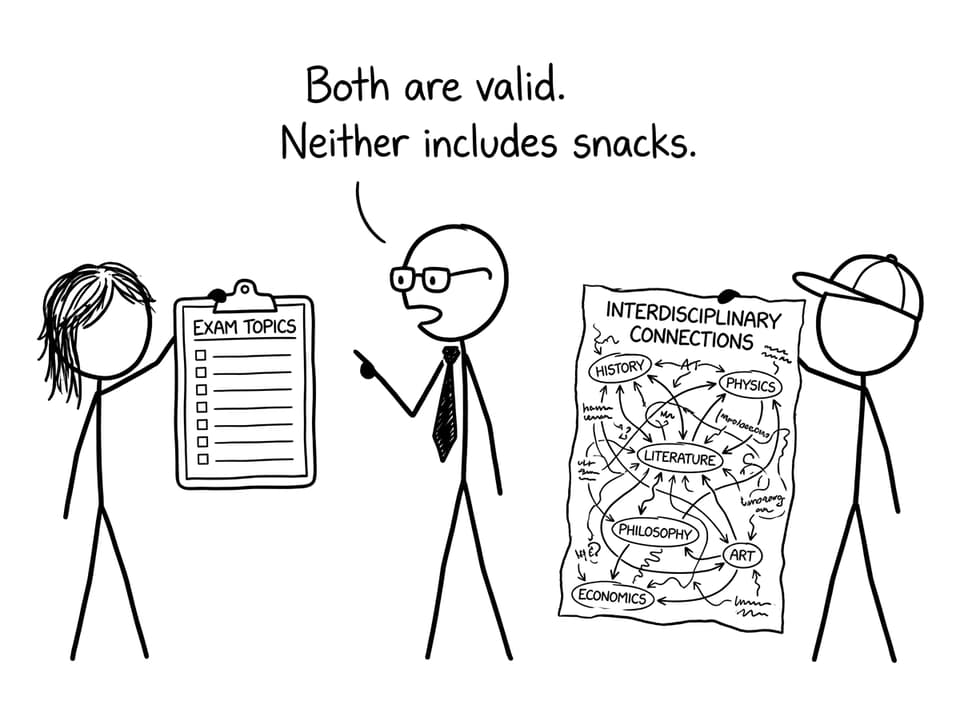
GCSE vs MYP: Curriculum and Learning Style Differences
Choosing between GCSE and MYP is less about which is “harder” and more about which kind of difficulty suits you.
GCSE: depth, choice, and a specification mindset
With GCSE, you can often specialise earlier. That can be motivating if you already know what you love, or if you want to shape a strong base for A-Levels or other pathways. It also trains you to revise in a very exam-forward way.
If you are selecting subjects strategically, this is worth reading: The GCSE Subject Combination Guide.
MYP: breadth, connection, and criteria mindset
MYP requires sustained balance across the subject groups. That can feel demanding because you are rarely “done” with a whole domain. But it also makes you adaptable, which is a major advantage once you hit the IB Diploma and realise your timetable is essentially a daily context switch.
When exam season approaches, a structured plan matters. This guide is built for it: MYP eAssessments: 30-Day Study Plan That Works.
Which One Builds Better IB Exam Skills?
Here is the honest answer: both can, but through different muscles.
-
GCSE builds exam stamina early. You practice producing polished answers under pressure.
-
MYP builds thinking stamina early. You practice explaining, justifying, and reflecting.
The students who do best in IB exams tend to merge both: exam technique plus adaptable thinking.
That is why RevisionDojo’s tools are designed like a flywheel. You learn a concept quickly with Study Notes, lock it in with Flashcards, apply it with Questionbank practice, and refine with AI Chat and Grading tools. Then you repeat, calmly. If you want to see how top performers structure that loop, read How 45-Point IB Students Prepare for Exams and How to Study for IB Exams Without Burning Out.
A Decision Framework (If You’re Still Torn)
Ask yourself these questions and answer them as honestly as you can.
Do you want earlier specialisation?
If yes, GCSE usually fits better, because it allows more subject choice and earlier depth. That can be useful if you are already planning a specific academic route.
Do you prefer one big finish line or many checkpoints?
If you like a clear end-of-course performance target, GCSE assessment will feel familiar and motivating. If you prefer building a portfolio of evidence across time, MYP’s ongoing assessment can feel fairer.
What kind of stress helps you focus?
Some students perform best when everything builds toward a final exam period. Others perform best when pressure is spread out. Neither is “better,” but one will be better for you.
How RevisionDojo Supports GCSE and MYP Students Aiming for IB
No matter which program you pick, your real advantage is building IB-style study habits early.
RevisionDojo makes that practical:
-
Questionbank for exam-style practice and pattern recognition
-
Study Notes for fast clarity when a concept feels fuzzy
-
Flashcards for active recall and spaced repetition (the closest thing to a memory cheat code)
-
AI Chat to explain misconceptions in plain language, on demand
-
Grading tools to tighten written responses against criteria
-
Predicted Papers and Mock Exams to rehearse performance under time
-
Coursework Library to learn what high-quality work looks like
-
Tutors for strategy, accountability, and calm when motivation slips
If you want a simple starting point, explore the platform from the RevisionDojo homepage and browse by track from All #GCSE Posts or All #MYP Posts.
Closing: Choose the Program That Builds the Student You Want to Become
The decision between GCSE and MYP is not a debate you “win.” It is a mirror. It shows you how you learn, what motivates you, and what kind of structure you need when school gets serious.
If you want depth, clear targets, and a strong exam runway, GCSE may be your best fit. If you want breadth, connection, and a smoother bridge into IB thinking, MYP may be the better match.
Either way, do not leave your future to vibes. Build a system now: practise questions, review mistakes, use flashcards daily, and ask for feedback before exams force the issue. That is what RevisionDojo is built for, and it is how you turn whichever program you choose into IB-level confidence.