



Preparing for IB exams feels a bit like standing at the bottom of a mountain you didn’t choose to climb. The syllabus looks endless, the deadlines don’t negotiate, and everyone seems to have a different opinion on what “good revision” even means.
The good news: the best Revision Tips aren’t complicated. They’re repeatable. In 2024, the students who improve fastest aren’t the ones who study the longest. They’re the ones who study with feedback, timing, and a plan they can actually stick to.
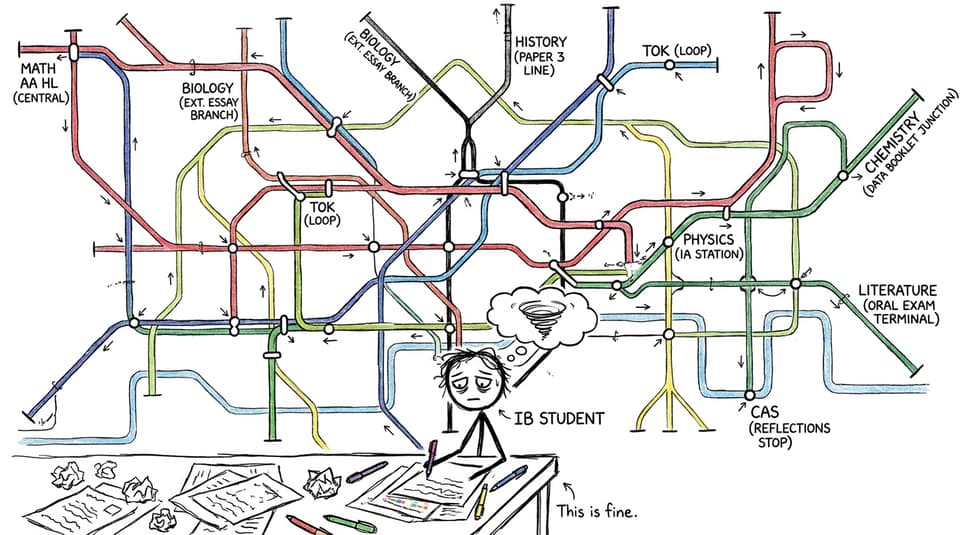
A quick IB revision checklist (save this)
Here’s a simple loop you can run all the way to exam day:
-
Pick the next topic (small, specific)
-
Learn it fast (notes)
-
Test it immediately (questions)
-
Fix what broke (mistake log)
-
Lock it in (flashcards)
If you want the bigger system, keep How to Study for IB Exams: Step-by-Step Guide open as your weekly reset.
Revision Tips that actually move your grade
Build a revision timetable you won’t abandon
A timetable should reduce stress, not create it. Start by sorting subjects into: “weak,” “medium,” and “stable.” Then plan shorter, more frequent sessions for weak areas.
Two upgrades that make timetables work:
-
Add buffer slots for life (because life will happen)
-
Schedule practice, not just “review”
For a practical structure, borrow the rhythm in What’s the Best Way to Revise for IB Exams?.
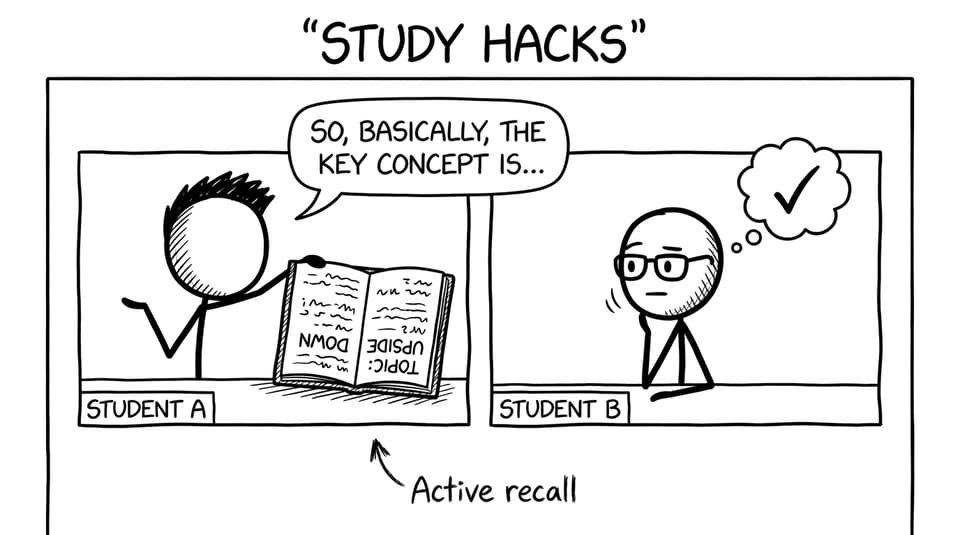
Use active recall (your brain loves being challenged)
Reading notes feels productive because it’s calm. But exams aren’t calm. Active recall trains the exact skill you’re graded on: pulling ideas out under pressure.
Try this pattern:
-
Read one concept
-
Close the page
-
Explain it out loud
-
Do 5-10 exam-style questions
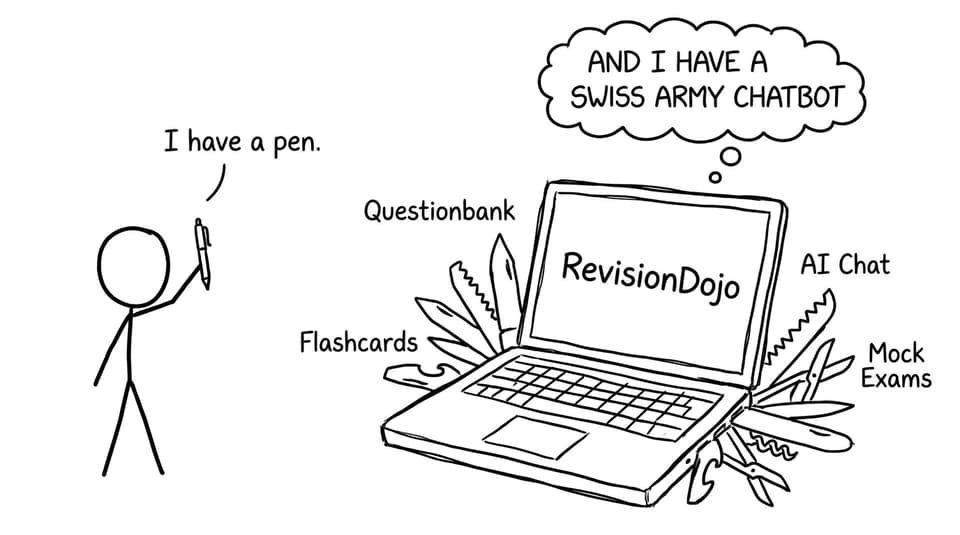
RevisionDojo makes this loop smoother by connecting Study Notes with a Questionbank, Flashcards, and AI Chat when you’re stuck. See how the workflow fits together in RevisionDojo App: The Smarter Way to Prep for IB Exams.
Turn memory into a daily habit (flashcards + spacing)
One of the most underrated Revision Tips is making recall small enough to do on bad days. Ten minutes of flashcards beats an hour of panicked rereading you can’t repeat.
Keep flashcards ruthless:
-
One fact or process per card
-
Use command terms (define, evaluate, discuss)
-
Review daily with spaced repetition
If you want a notes-first approach that still stays active, read Digital IB Study Notes: Access Anywhere, Anytime.
Practice under time early (confidence is trained)
Most “I knew it but ran out of time” stories aren’t content problems. They’re pacing problems. Build timing gradually:
-
Timed sets (15-25 min)
-
Timed sections (30-60 min)
-
Full timed sessions (when ready)
RevisionDojo’s Mock Exams and Predicted Papers are built for this kind of pressure training, and the Grading tools help you see what the markscheme rewards.
For realism and clarity on what predictions are (and aren’t), use IB Predicted vs Specimen Papers: What They Mean.
Use technology without losing control
Technology helps when it reduces friction. It hurts when it becomes avoidance.
A clean rule: one tool, one job.
-
Study Notes for clarity
-
Flashcards for daily recall
-
Questionbank for exam technique
-
AI Chat to unblock confusion fast
-
Tutors when you need a human explanation
-
Coursework Library + Grading tools when written feedback is the bottleneck
If distractions are your main enemy, see IB Tech Boundaries: Use Technology Without Losing Control.
Final thoughts: make revision boring (and you’ll win)
The most effective Revision Tips are the ones you can repeat when you’re tired: small active recall, targeted questions, honest review, and timed practice that builds stamina. If you want one place to run that entire loop, RevisionDojo brings it together with Questionbank, Study Notes, Flashcards, AI Chat, Grading tools, Predicted Papers, Mock Exams, Coursework Library, and Tutors.
Pick one topic for today. Do the loop once. Then do it again tomorrow. That’s how confidence is built in 2024.