



If you’ve ever stared at a predicted score of 30 and felt your stomach drop, you’re not alone. The number looks clean on paper, but the question underneath it is emotional: Is 30 IB points enough for universities in Hong Kong?
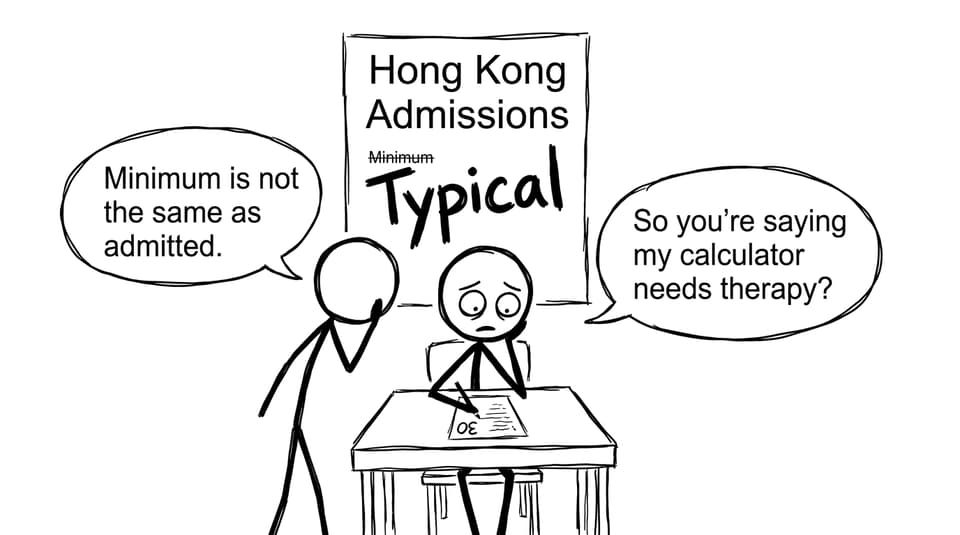
Here’s the honest answer most students don’t get early enough: 30 in the IB is respectable, but Hong Kong admissions can be brutally competitive, and “meeting the minimum” is rarely the same as “getting the offer.” The good news is that a 30 is not a dead end. It’s a data point you can work with.
Quick IB reality check (save this before you spiral)
-
The IB Diploma is scored out of 45 points.
-
You earn up to 42 points from six subjects (each 1-7).
-
You can add up to 3 core points from TOK + EE.
-
A 30 usually means you’re sitting around an average of 5 per subject, plus some core performance.
If you want a clearer picture of how points add up, keep this guide open while you plan: How IB points work (simple scoring guide).
What 30 IB points actually signals
A 30 in the IB signals something important: you can handle breadth, deadlines, and pressure. Globally, it’s around the typical range for many cohorts, and plenty of strong students land near 30 because of one weak Higher Level or a core that didn’t go as planned.
But Hong Kong is a place where many applicants are not aiming to “pass.” They’re aiming to outscore each other. That changes how your IB total is interpreted.
A useful mindset shift: in Hong Kong, your IB score is less like a “grade” and more like a “queue number.” It doesn’t define your worth, but it does affect how quickly you get seen.
Typical IB expectations at Hong Kong universities
University pages often list minimums, but admissions tends to reflect typical admitted ranges, especially in competitive faculties.
Based on commonly cited expectations:
-
HKU: minimum around 35, typical offers often 37-42
-
HKUST: minimum around 34, typical offers often 36-42
-
CUHK: minimum around 30, typical offers often 34-40
-
CityU: minimum around 30, typical offers often 32-36
-
PolyU: minimum around 30, typical offers often 32-35
So is 30 IB enough? Sometimes for meeting a baseline, yes. For actually landing a place in the most competitive programs, it’s usually a stretch.
So…is 30 IB enough for Hong Kong? A realistic take
When 30 IB points is usually not enough
If you’re aiming for HKU or HKUST in a high-demand program, a 30 in the IB typically puts you outside the main band of offers. It doesn’t mean impossible, but it means you’d likely need something exceptional: unusually strong HL grades, a less competitive program, or a non-standard route.
When 30 IB points can be enough
For CUHK, CityU, and PolyU, 30 IB points can be a live conversation, especially if:
-
Your Higher Levels are strong (universities often care about these most)
-
Your subject combination matches the program
-
Your predicted grades trend upward
-
Your application shows clear direction
It’s also where small improvements matter most. Moving from 30 to 32-35 IB can shift you from “edge case” to “credible candidate.”
How to move from 30 IB to a score that changes your options
The students who jump fastest rarely “study more.” They study differently.
Use a tight feedback loop, not endless revision
Start with targeted practice, get feedback, and repeat. RevisionDojo is built for this loop: Study Notes for clarity, Flashcards for recall, Questionbank for exam-style practice, and AI Chat when you get stuck.
Good starting points:
Train performance with predicted papers and mock exams
Content knowledge is necessary, but the IB is also a performance test: timing, command terms, and mark allocation.
Use:
Don’t waste the easiest points: TOK and EE
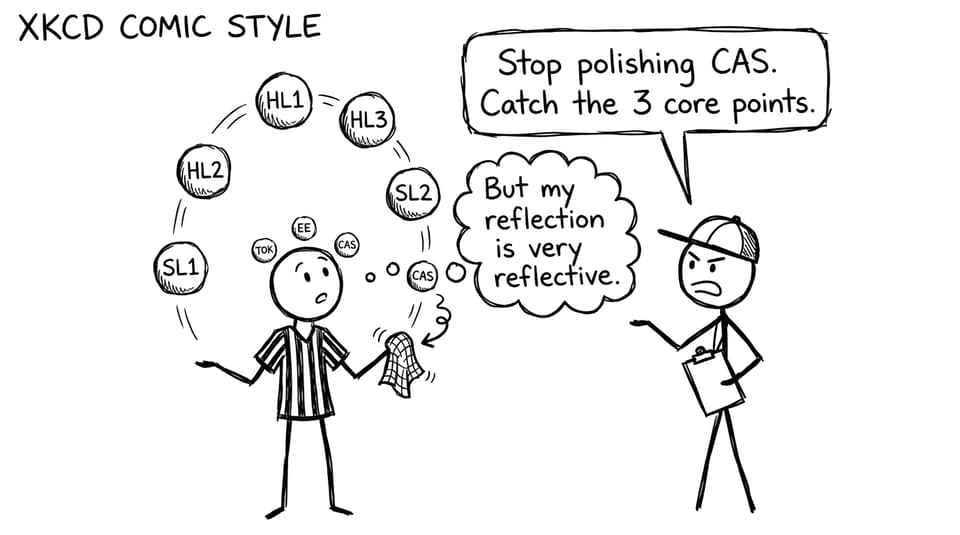
Those 3 core points are often the cheapest points in the whole IB diploma. If your six subjects are stuck, your core can still lift your total.
Use:
Backup routes in Hong Kong that still lead to strong outcomes
If your current IB projection is 30, it’s wise to hold two truths at once: aim higher, and build a plan B.
Common alternatives students use in Hong Kong include:
-
Foundation or diploma pathways tied to universities
-
Associate degrees / higher diplomas with transfer routes
-
Applying abroad (a 30 IB can be more competitive in other systems)
This is not “settling.” It’s being strategic in a competitive market.
The calm conclusion: 30 IB is a starting line, not a ceiling
A 30 IB score is not weak. But for Hong Kong universities, it often sits on the edge of competitiveness, especially at the very top. The smartest response is not panic. It’s precision: improve what moves fastest, protect your core points, and keep realistic pathways open.
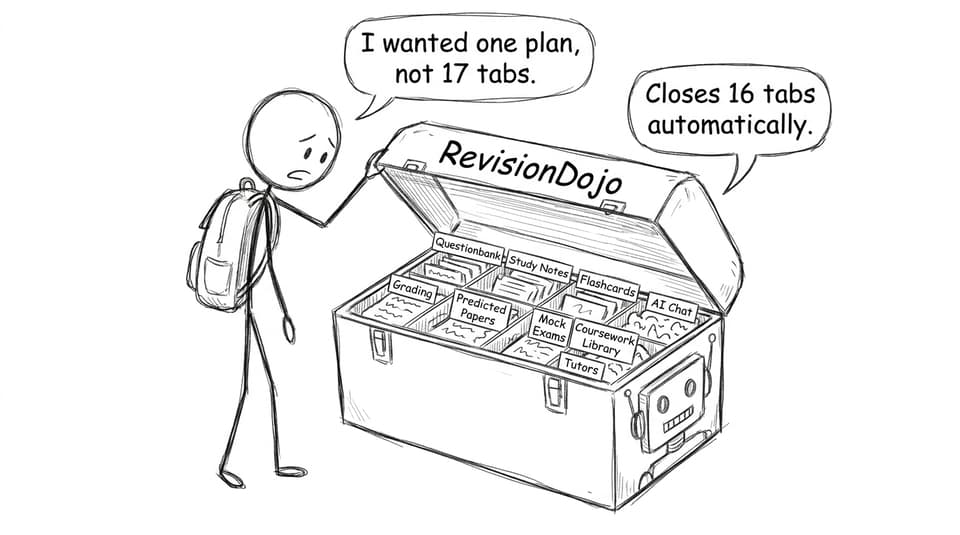
If you want one place to run that plan without juggling resources, RevisionDojo brings it together: Questionbank, Study Notes, Flashcards, AI Chat, Grading tools, Predicted Papers, Mock Exams, a Coursework Library, and Tutors when you need human support.
Your IB score can still move. And in Hong Kong, a few points can change everything.