




IB Computer Science IA: the moment your code becomes a story
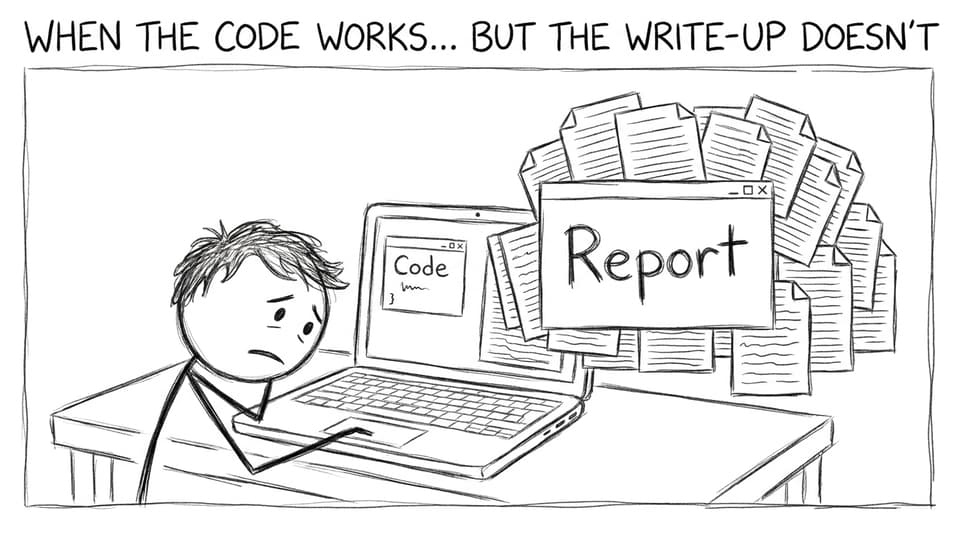
In the IB world, the Computer Science Internal Assessment (IA) can feel like a paradox: you build something real, but your marks come from how clearly you prove it’s real. Many students learn this the hard way: their program works, yet the report under-explains the decisions, testing, and client needs that examiners reward.
The good news is that the IB Computer Science IA isn’t asking for a startup product. It’s asking for evidence of disciplined problem-solving: a real problem, a real user or client, and a solution you can justify, test, and evaluate. If you treat your IA like a calm engineering narrative, you give yourself a huge scoring advantage.
Quick IA checklist (save this)
To keep your IB IA on track, check that you have:
-
A clear problem statement and specific objectives
-
A real client/end-user you can consult more than once
-
Measurable success criteria (time saved, error reduction, usability goals)
-
Design evidence (algorithms, pseudocode, diagrams)
-
Development rationale (why you built it that way)
-
Testing tables with expected vs actual results
-
Evaluation that uses client feedback and honest limitations
If you want strong models, browse the IB Computer Science coursework exemplars and compare them to the rubric expectations.
What the IB Computer Science IA actually is (and why it matters)
The IB Computer Science IA is an individual project where you design, develop, and evaluate a software solution to a real-world problem. It contributes 20% of your final IB Computer Science grade, which makes it one of the highest-leverage parts of the course.
A simple way to think about it: exams test what you remember under pressure; the IA tests how you think over time. RevisionDojo’s IB Internal Assessment Guides are useful here because they keep the focus on criteria and evidence, not just “building features.”
Key components you must show clearly in your IB IA
Planning and analysis: make the client visible
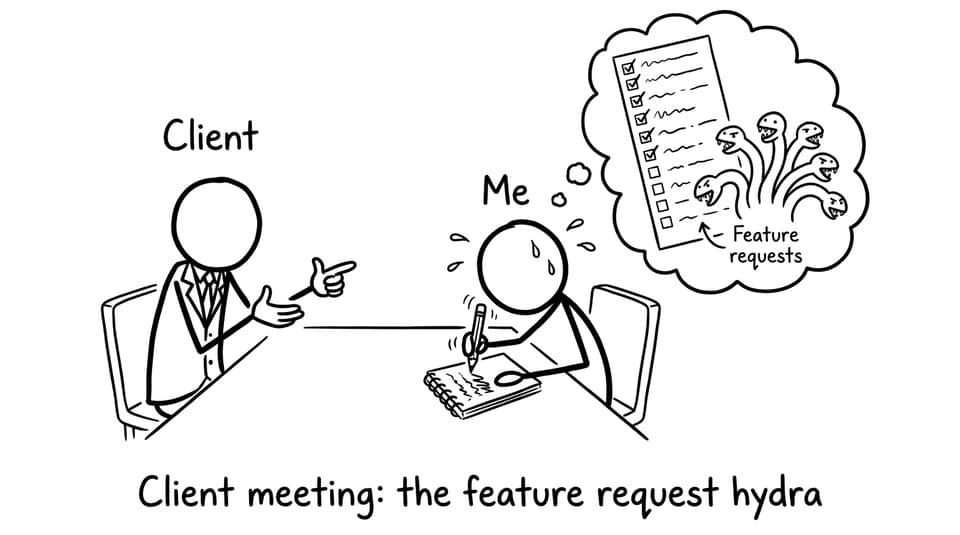
The easiest way to lose IB marks is to keep your client “off-screen.” Your planning and analysis should include stakeholder input, constraints, and success criteria you can test later. If you’re unsure what a doable idea looks like, read IB Computer Science IA Topics That Actually Score Well and Good IB Computer Science IA Project Examples.
Design and development: show your thinking, not just your output
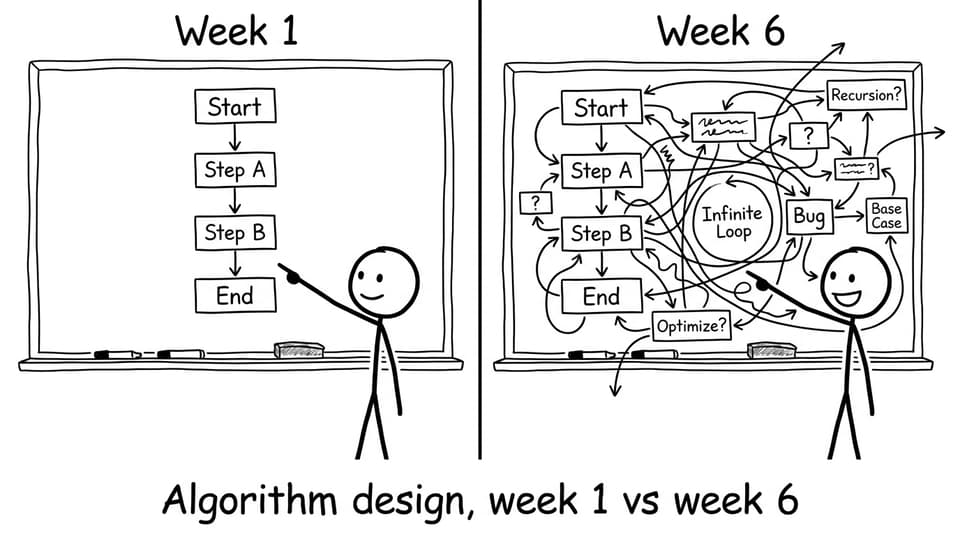
In IB Computer Science, design evidence means algorithms and structure: pseudocode, flowcharts, system diagrams, and justified decisions. Your development section should explain key implementation choices without dumping walls of code.
To strengthen the “computational thinking” side, revise Topic 4 using Computational Thinking, Problem-solving and Programming and practise core system analysis language with Systems in Organizations Notes.
Testing and evaluation: this is where top marks hide
Testing is not a victory lap: it’s proof. Your IB testing should include unit and system tests, edge cases, and clear expected/actual outcomes. Then your evaluation should revisit each success criterion, use client feedback, admit limitations, and propose realistic improvements.
If you want a clear template for full marks, follow IB Computer Science IA Evaluation: Full Marks Guide. To self-check against the rubric quickly, use the IB Computer Science IA Grader.
Common IB IA mistakes (and the fix)
-
Overly ambitious scope: shrink features, strengthen evidence. (Use IB Computer Science IA: How Long Does It Take?)
-
Vague requirements: rewrite them as measurable success criteria.
-
Thin testing: add edge cases, error handling, and client usability tests.
-
Weak evaluation: connect claims to evidence and client quotes.
Also remember: the report maximum is 2,000 words. In the IB, that means your word budget belongs to explanation and reflection, not pasted code.
How RevisionDojo helps you score higher in IB Computer Science
RevisionDojo works best when you treat it like an IA + exam ecosystem, not a last-minute rescue:
-
Use the Coursework Library for models: IB CS SL IA Exemplar
-
Use Grading tools to align to criteria: IB Computer Science IA Grader
-
Use Study Notes and the Questionbank to sharpen theory alongside the IA: start from IB Computer Science Resources
-
Use Flashcards and AI Chat to keep key definitions and explanations clean: Flashcards
-
Use Predicted Papers and Mock Exams to stay exam-ready while you build: IB Predicted Papers
FAQ
How long should my IB Computer Science IA take?
Most IB Computer Science IAs take longer than students expect because the project includes consultation, documentation, testing, and reflection, not just coding. A realistic plan usually spreads the workload over multiple months so you can gather client feedback more than once. The development phase is only part of the timeline; the evidence you collect while building is what protects your marks. If you rush the report in the final week, your decisions won’t be explained clearly enough to score well. Use a simple weekly rhythm: one build task, one documentation task, and one testing task. For a grounded timeline, follow IB Computer Science IA: How Long Does It Take?.
Can I work with classmates on the IB IA?
The IB IA is an individual assessment, so the solution, code, and report must be your own work. You can still discuss broad ideas, get general feedback, or learn concepts together, but you should not share code, write-ups, or “template” sections that become identical across students. Examiners are looking for an authentic project story tied to your specific client and your specific decisions. If collaboration makes your analysis or design look copied, it can create academic honesty risks. The safest approach is to keep your project scope and client unique, even if the general category (like a tracker or booking tool) is common. When in doubt, ask your teacher what is permitted and document your own process carefully.
What programming languages are allowed in the IB Computer Science IA?
The IB allows any suitable language, as long as it fits your project and you can justify why it was chosen. What matters most is whether your language supports the features you need: data handling, interfaces, and any database or file processing you plan to demonstrate. A simpler language you can explain confidently often scores better than a complex stack you can’t document properly. Examiners reward clarity in algorithms, testing, and evaluation more than flashy frameworks. If you’re tempted to add advanced features, make sure they improve the client outcome and can be tested with evidence. If you’re unsure how advanced your coding needs to be, read IB Computer Science IA: Do You Need Advanced Coding?.
Closing: treat your IB IA like a calm proof trail
A strong IB Computer Science IA is rarely the biggest project in the room. It’s the clearest one. Build something useful, keep the client close, test like you’re trying to break your own work, and write like you’re leaving a trail of proof for the examiner.
When you want that workflow in one place, RevisionDojo ties it together: the Questionbank for exam practice, Study Notes and Flashcards for recall, AI Chat for quick clarity, Grading tools for rubric alignment, Predicted Papers and Mock Exams for exam readiness, and the Coursework Library and Tutors when you want examples and human guidance. If you’re aiming for a high IB score, make your IA evidence-driven, and keep RevisionDojo open while you build.