
If your IA feels like it’s slowly expanding to fill every free hour you own, you’re not imagining it. Coursework has a strange law of gravity: the more you care, the more complex it becomes. One extra variable. One more background paragraph. One more graph “just in case.” Then suddenly you’re writing an IA that’s technically impressive… but hard to mark well.
High-scoring students do something quieter. They study IA exemplars the way athletes study game footage. Not to copy the moves, but to understand what gets rewarded. That’s exactly why using strong IB Biology IA samples matters: they show you what a scorable investigation looks like under real constraints.
Here’s how to explore, analyze, and succeed with your IA using RevisionDojo.
A quick IA checklist (steal this before you scroll)
Before you commit to any Biology IA, run this five-minute filter:
-
Research question is measurable (numbers, not vibes) and narrow enough to answer.
-
One clear independent variable and a dependent variable you can measure reliably.
-
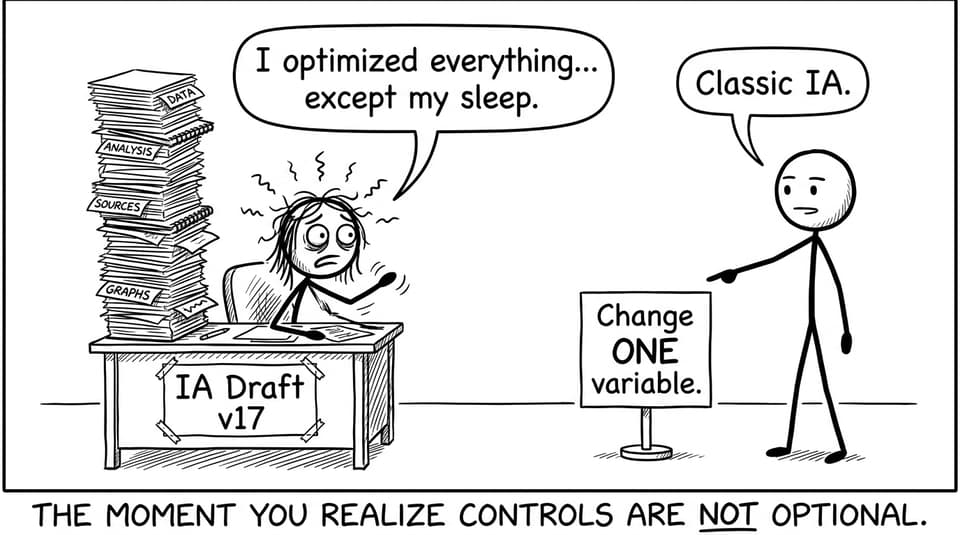
Controls are realistic (same equipment, same timing, same volumes, same species/strain).
-
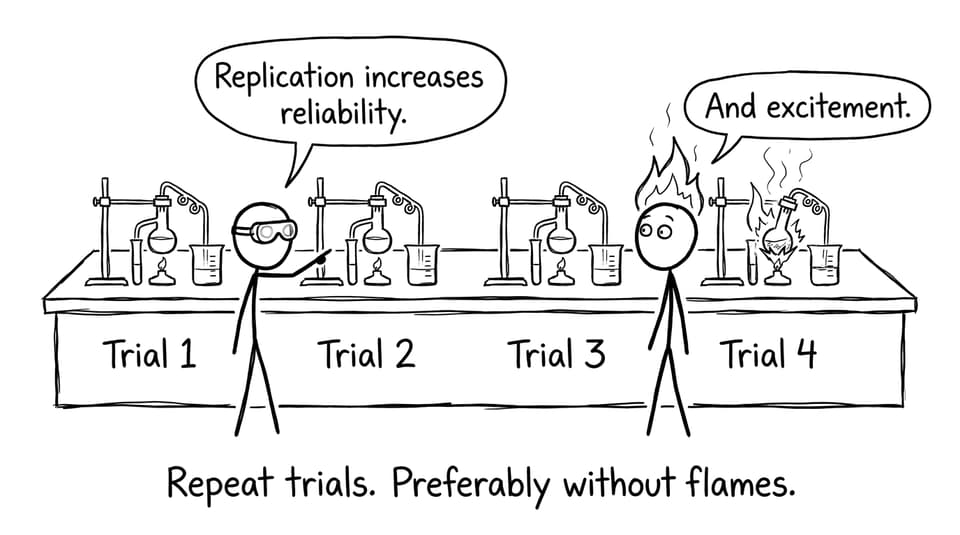
Enough repeats to justify trends and uncertainty.
-
Analysis plan exists before you collect data (graphs, error bars, maybe a statistical test).
If your topic fails this checklist, studying more IA samples won’t help. Narrow first.
Where to find IB Biology IA samples that actually score high
The problem with random PDFs online is that you don’t know what you’re looking at. Was it moderated up? Was the method flawed but written beautifully? Was it from an older rubric?
RevisionDojo solves the trust issue by organizing IA exemplars in a way that’s built for students.
Use the RevisionDojo Coursework Library for IA exemplars
Start with IB Biology Exemplars and the dedicated IB Biology IA Exemplars. This is where the IA becomes legible: you can see what top-scoring structure looks like across research questions, methods, data processing, and evaluation.
When you read an IA exemplar, don’t ask “Could I do this?” Ask:
-
What did the student keep simple so the marking could stay clear?
-
Where did they turn raw results into analysis instead of description?
-
How did they write the evaluation so it sounded like science, not apology?
If you want topic inspiration that stays feasible, pair exemplars with IB Biology IA Ideas: 2026 Topics That Actually Work. It’s a fast way to keep your IA ambitious enough to be interesting, but small enough to finish.
Upgrade your draft with an IA grader (fast feedback loops)
An IA improves fastest when you shorten the time between writing and feedback.
Use the rubric-aligned IB Biology IA Grader for a reality check: what’s missing, what’s thin, and what’s unclear. Then, when you want a broader workflow for multiple drafts, the IB Coursework Grader helps you iterate without waiting days.
This is the RevisionDojo edge: you can draft, grade, revise, and re-grade your IA until the weak sections stop being mysteries.
What high-scoring IA samples have in common (and what they avoid)
Most top IA samples don’t win by being flashy. They win by being markable.
They treat the research question like a contract
A strong IA research question tells the examiner exactly what you changed, what you measured, and what system you used.
Weak IA questions sound exciting but untestable. Strong ones sound slightly boring, because boring is measurable.
They make variables and controls painfully explicit
Exemplars that score high usually state controls like the student is trying to remove every loophole:
-
temperature control method
-
timing consistency
-
measurement precision
-
same concentration/volume across trials
This is the hidden skill of the IA: you’re not just doing biology, you’re proving your biology is trustworthy.
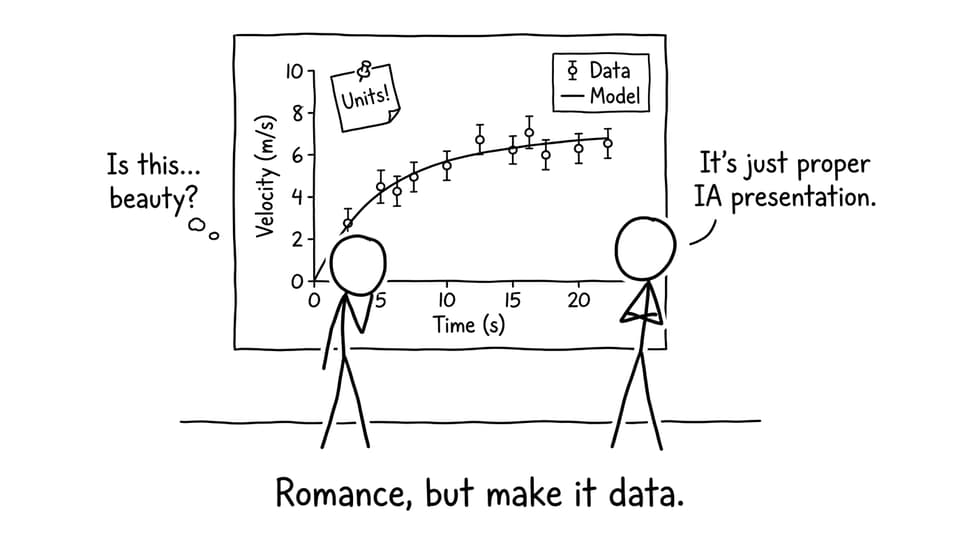
They invest in data presentation before fancy statistics
Great IA samples almost always show:
-
clear tables with units
-
graphs that match the question
-
uncertainty and error bars where appropriate
If you need background content to justify your hypothesis, RevisionDojo’s IB Biology Resources hub is the quickest place to pull accurate theory. For example, topics like enzymes show up constantly in Biology IA work, and having the right wording matters under pressure.
They evaluate like scientists, not like victims
A high-scoring IA evaluation doesn’t say “human error” and leave.
It identifies specific limitations, explains how each one impacts results, and proposes improvements that are realistic in a school lab.
How to use IA samples without plagiarizing (the clean method)
You can learn a lot from an IA sample without borrowing a single sentence.
Try this:
-
Copy the structure, not the language. Use the headings flow as a template.
-
Extract “moves.” For example: where do they introduce uncertainty, and how do they link it to the conclusion?
-
Compare multiple IA samples. Patterns across exemplars are safer than relying on one.
-
Write your own evidence. Same concept is fine; same dataset or phrasing is not.
If your IA starts drifting into something too big, read Can You Change Your IA Topic? A Calm IB Guide. Sometimes the best improvement is a smaller question.
Keep exam prep alive while writing your IA
A sneaky mistake: you let the IA consume your whole schedule, then mocks arrive and your brain forgets how Paper questions work.
A simple balance loop:
-
30-45 minutes IA drafting
-
15-20 minutes Biology practice in the Questionbank
If you want Biology-specific practice sets, jump into a topic bank like IB Biology Topic Cell Biology Questionbank (SL/HL).
And when you’re closer to exams, add timed realism with Biology Predicted Papers (Free) or browse the full IB Predicted Papers collection. Your IA should raise your grade, not quietly sabotage it.
The calm path to a high-scoring IA
A great IA isn’t a genius experiment. It’s a sequence of sensible choices that make your work easy to reward.
Explore strong IA models in the IB Biology IA Exemplars. Borrow the structure, the clarity, and the evaluation style. Then pressure-test your draft with the IB Biology IA Grader and keep your exam momentum alive with RevisionDojo’s Questionbank, Study Notes, Flashcards, AI Chat, Grading tools, Predicted Papers, Mock Exams, Coursework Library, and Tutors.
Your IA doesn’t have to be perfect. It just has to be clear, controlled, and convincingly analyzed. RevisionDojo is built for that exact finish.