



IB Stress has a way of telling a convincing story: If you want top grades, you’ll have to disappear.
It’s the myth that spreads quietly through group chats and school corridors: that the IB Diploma is a two-year trade where you swap friends for flashcards.
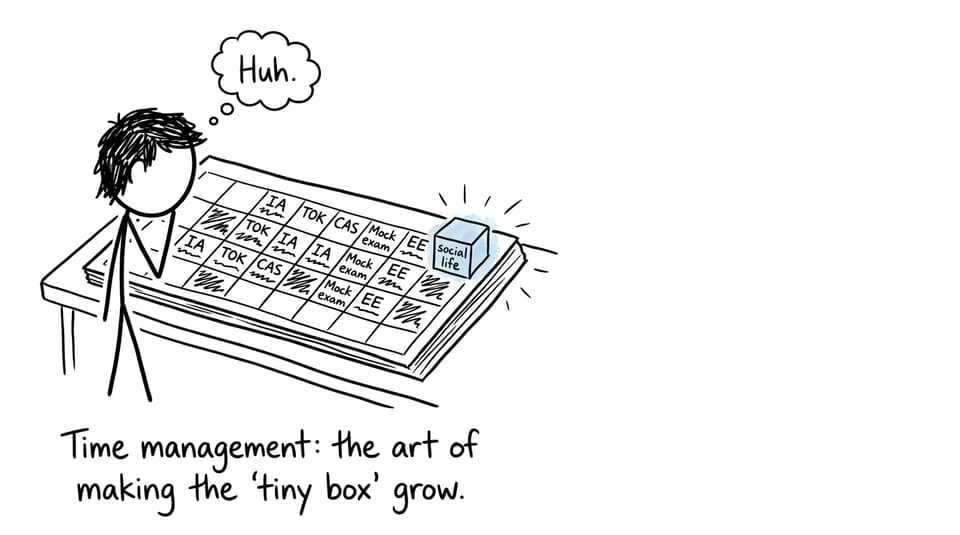
But most IB students don’t lose their social life. They compress it, schedule it, and protect it the same way they protect deadlines. The real truth about balance is less dramatic: you can have friends and still do well, but you can’t rely on vibes. You need a system.
The truth about IB Stress and social life
IB Stress isn’t just “too much work.” It’s uncertainty: not knowing what to study, how to study, or whether today’s effort will convert into marks.
When that uncertainty grows, social time feels expensive. You cancel plans not because you truly need another hour, but because you don’t trust your revision plan.
That’s why the most balanced students don’t study more than everyone else. They study with proof, using tools that show progress clearly, like the RevisionDojo Questionbank and targeted practice loops.
A quick balance checklist (that actually fits exam season)
Use this as your weekly reset when IB Stress spikes:
-
Plan 3-5 focused study blocks (60-90 minutes)
-
Add 10-20 minutes of daily recall (Flashcards)
-
Schedule 1-2 social windows (even small ones)
-
Turn one hangout into a study group
-
Keep CAS “real life” when possible (sports, clubs, service with friends)
If you need a structured study framework, borrow the rhythm from How to Study for IB Exams: Step-by-Step Guide.
How balanced IB students reduce IB Stress without losing friends
They plan social time like a deadline
The trick is to treat social plans as fixed anchors, not optional extras. One dinner, one walk, one hour of gaming, whatever “counts” for you.
When your brain knows relief is scheduled, IB Stress drops. You stop panic-studying.
They combine social life with high-quality revision
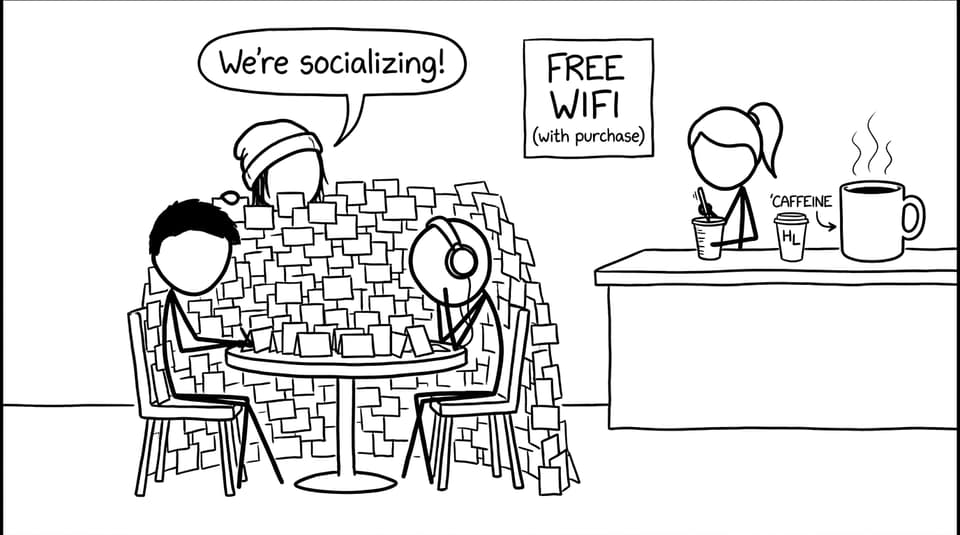
Study groups work when they’re structured. Try: 25 minutes silent practice, 10 minutes compare answers.
RevisionDojo makes this easier because everyone can pull similar practice sets from the IB Question Bank | How to Use It Effectively workflow, then check feedback consistently.
They use CAS as social fuel, not social debt
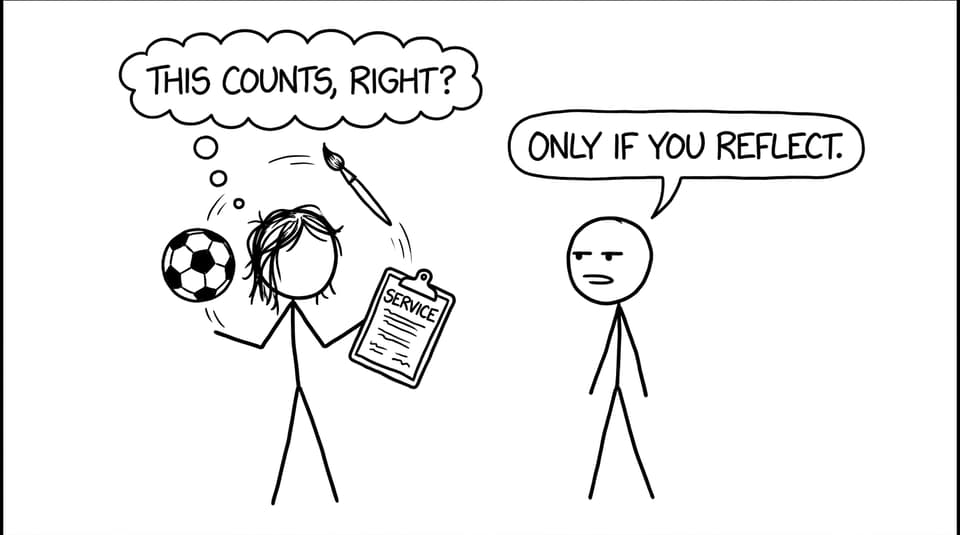
CAS doesn’t have to compete with friendship. It can be friendship: sports teams, creative clubs, volunteering with classmates.
If CAS is currently adding to IB Stress, simplify it with Balancing CAS With Real Life (Without Burning Out) and make reflections short and repeatable.
What to do during peak weeks (when balance feels impossible)
Some weeks really are heavier: mock exams, internal deadlines, exam countdowns. Balance doesn’t mean equal time every day; it means sustainable time over months.
During peak weeks, shrink social life, don’t delete it. A 20-minute walk with a friend can be enough to keep you human.
If exam nerves are driving the pressure, use How to Stay Calm During IB Exams and How to Beat IB Exam Anxiety (Without Burning Out) to build a reset routine.
A closing truth (and a practical next step)
IB Stress doesn’t mean you’re doing IB wrong. It usually means your workload is real and your system needs tightening.
If you want balance that holds through exam season, build a simple loop: learn with Study Notes, practice with the Questionbank, lock it in with Flashcards, and pressure-test with Mock Exams and Predicted Papers. When you need help fast, use AI Chat, Grading tools, the Coursework Library, or Tutors inside RevisionDojo for IB.
Your social life won’t vanish; it will just start living on purpose.