Practice 1.1 Introduction to the particulate nature of matter and chemical change with authentic IB Chemistry exam questions for both SL and HL students. This question bank mirrors Paper 1A, 1B, 2 structure, covering key topics like atomic structure, chemical reactions, and organic chemistry. Get instant solutions, detailed explanations, and build exam confidence with questions in the style of IB examiners.
Paper
Level
Question 1
SLPaper 1A
When this equation is balanced correctly, the coefficient, , for is
Question 2
SLPaper 1A
Which equation represents sublimation?
Question 3
SLPaper 1A
What change(s) occur(s) when a liquid boils? I. The average energy of the particles increases. II. The attractive forces between the particles become stronger. III. The spacing between the particles increases.
Question 4
HLPaper 1A
What is the sum of the integer coefficients when propene undergoes complete combustion?
Question 5
SLPaper 1A
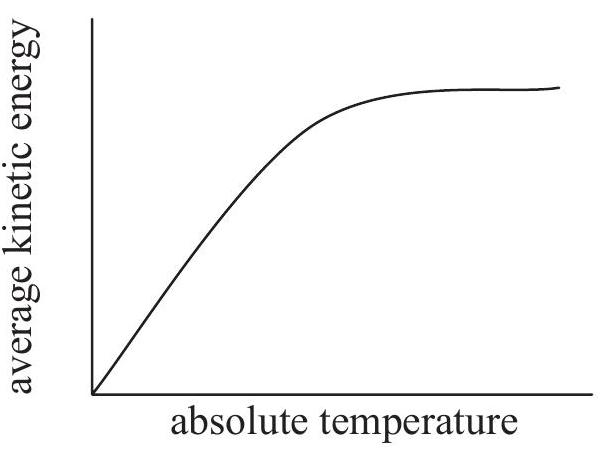
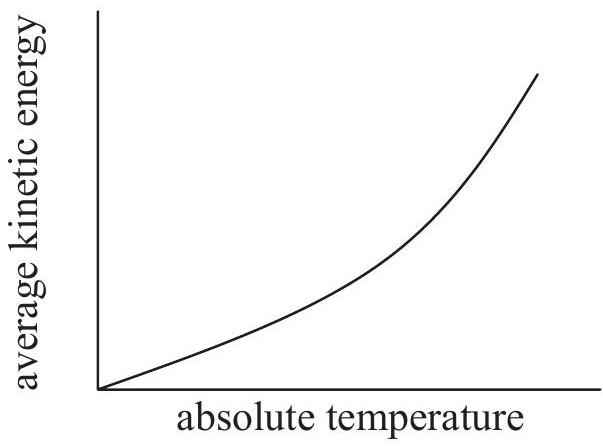
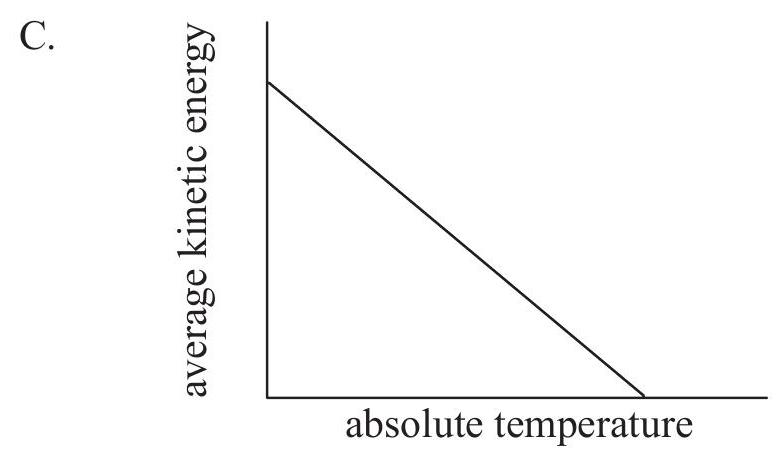
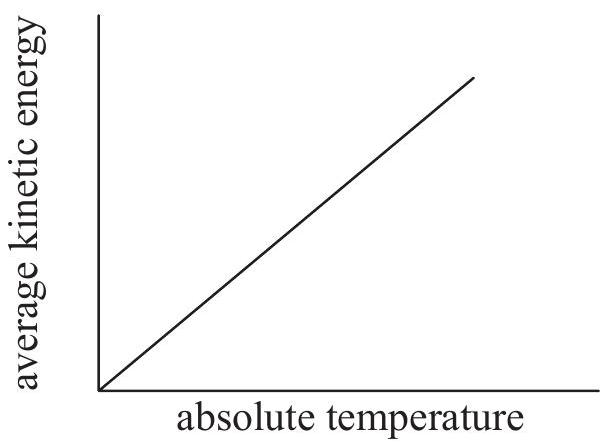
Which graph shows how the average kinetic energy of the particles varies with absolute temperature for an ideal gas?
Question 6
HLPaper 1A
A reaction occurring in the extraction of lead from its ore can be represented by this unbalanced equation:
When the equation is balanced using the smallest possible whole numbers, what is the coefficient for ?
Question 7
HLPaper 1A
Which statement about the kinetic theory is not correct?
Question 8
SLPaper 1A
Aluminium carbide reacts with water according to the equation below. What is the sum of all the coefficients when the equation is balanced?
Question 9
SLPaper 1A
Which statements about mixtures are correct?
I. The components may be elements or compounds.
II. All components must be in the same phase.
III. The components retain their individual properties.
Question 10
SLPaper 1A
What changes occur when ice at its melting point is converted to liquid water?
I. movement of the molecules increases II. distance between molecules increases