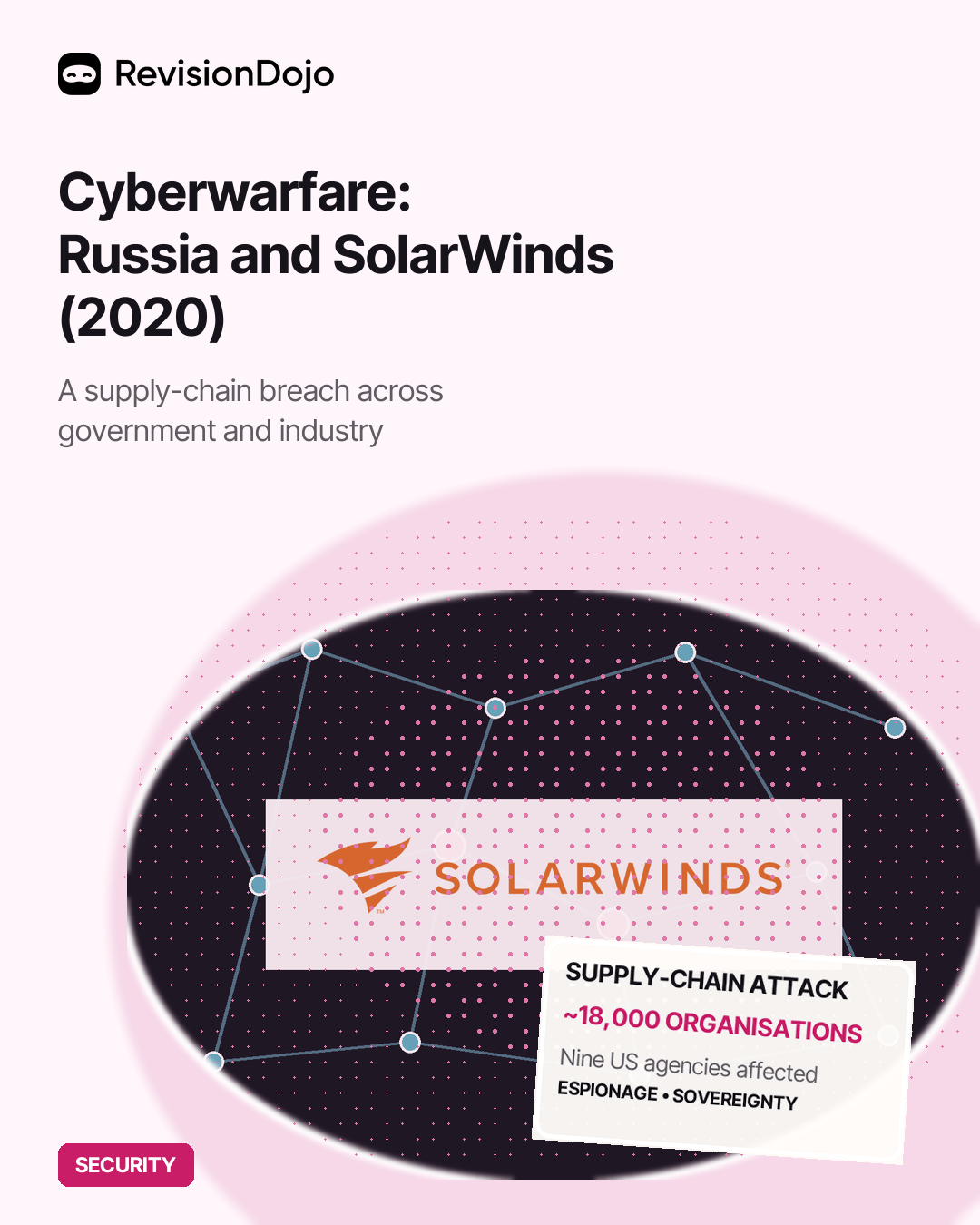
Context: In December 2020, it was revealed that Russian intelligence (SVR) had conducted a sophisticated cyberattack on SolarWinds, a U.S. software company whose network management product Orion was used by approximately 18,000 organisations including U.S. government agencies, major corporations, and critical infrastructure operators. By inserting malicious code into a routine software update, Russian operatives gained access to thousands of systems for up to 14 months undetected. The SolarWinds attack was described by U.S. officials as the largest and most sophisticated cyberattack in hist
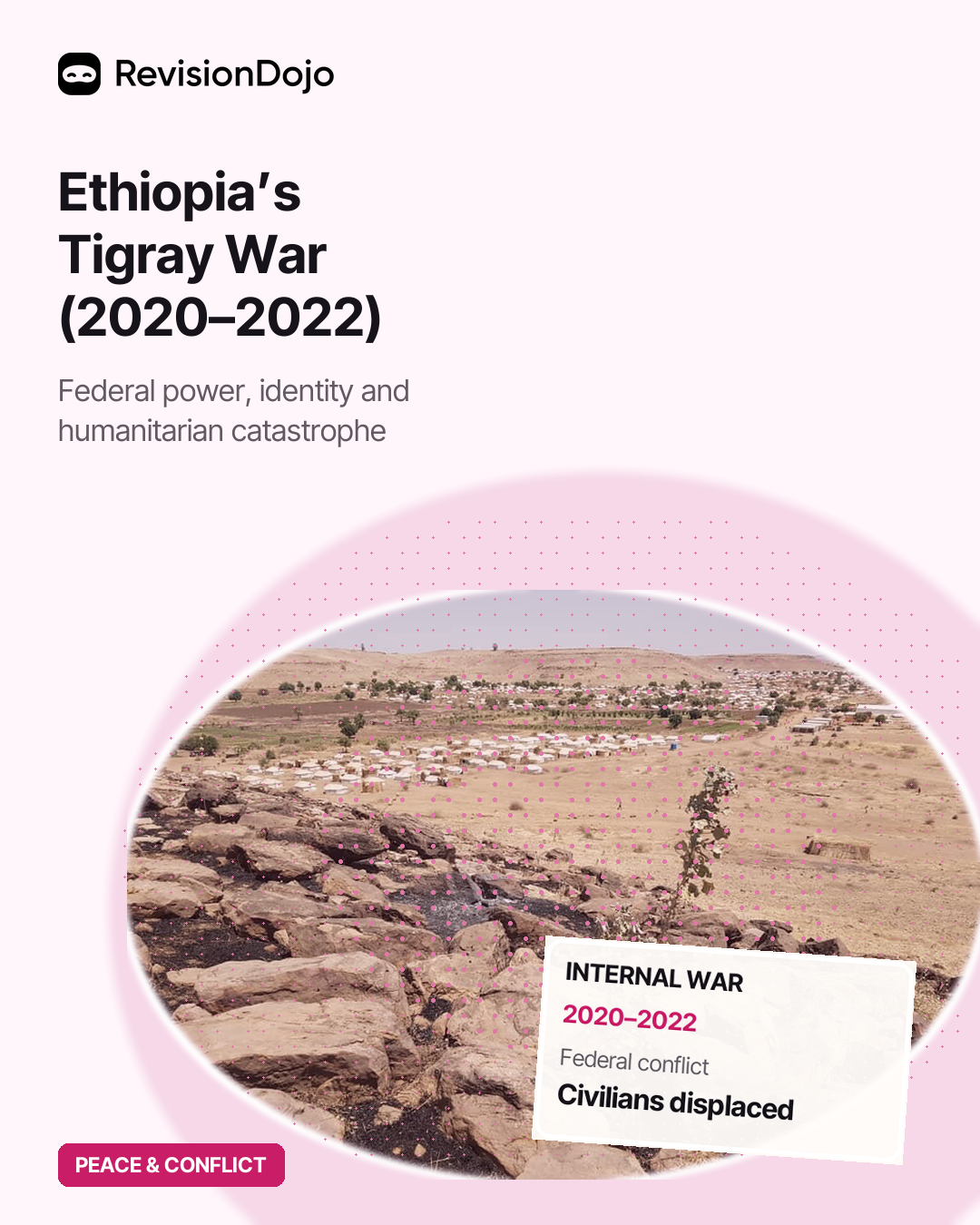
Context: In November 2020, armed conflict erupted between the Ethiopian federal government under Prime Minister Abiy Ahmed and the Tigray People's Liberation Front (TPLF) , which had governed the Tigray region and previously dominated Ethiopian federal politics for nearly three decades. The war produced one of the world's worst humanitarian crises, with an estimated 600,000 civilian deaths , mass displacement, and systematic use of sexual violence as a weapon of war. The conflict exposed the fragility of Ethiopia's ethnic federalism system, in which regional states are organized along et
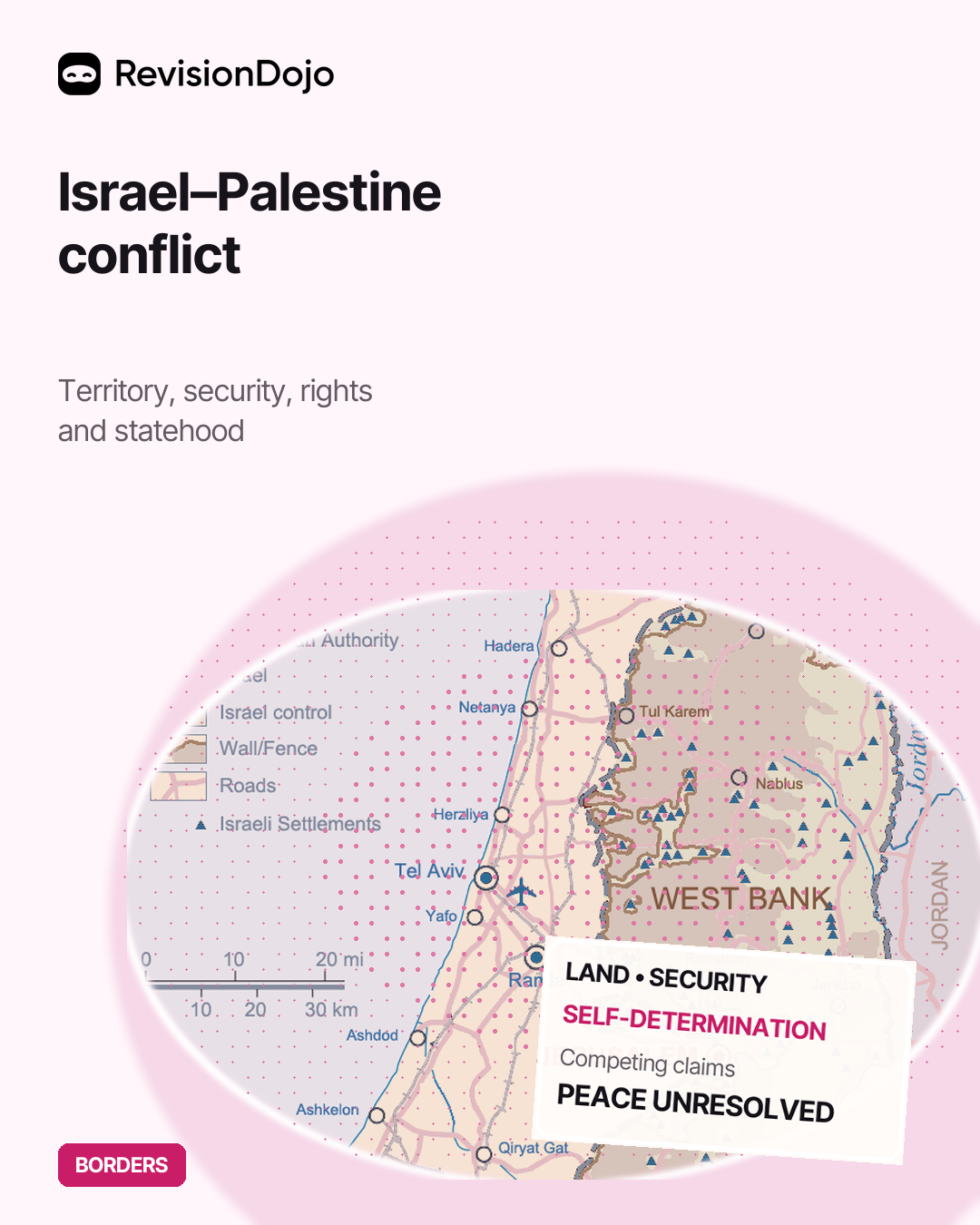
Context: The Israel-Palestine conflict is one of the world's most intractable disputes, rooted in competing national claims to the same territory, involving Israeli occupation of the West Bank and Gaza, the status of Jerusalem, Palestinian refugee rights, Israeli settlement expansion, and recurring cycles of violence. The conflict entered a devastating new phase with the Hamas attacks of October 7, 2023 , which killed approximately 1,200 Israelis and took over 250 hostages, triggering an Israeli military campaign in Gaza that has killed over 40,000 Palestinians and produced a humanitarian cat
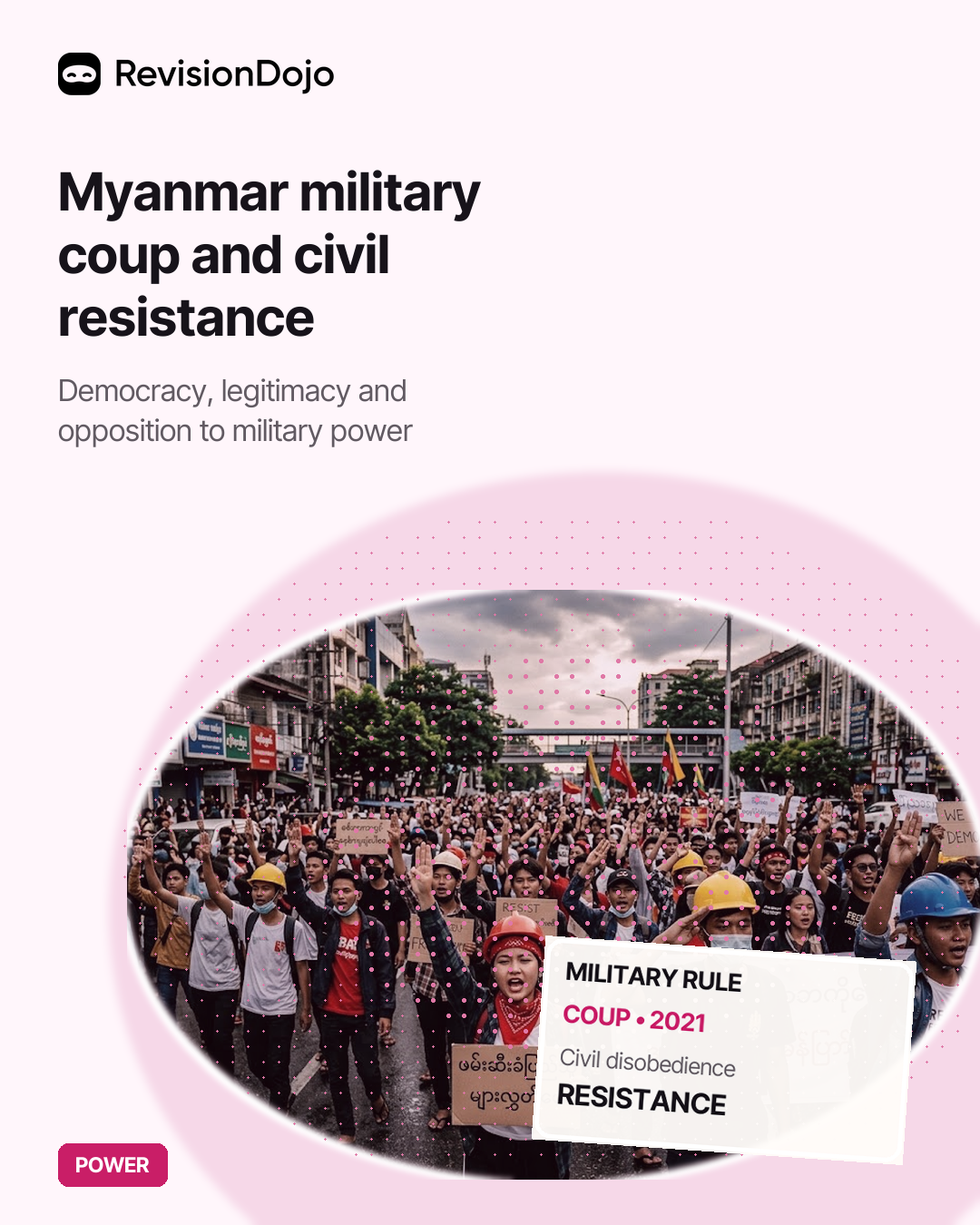
Context: On 1 February 2021, Myanmar's military (the Tatmadaw ) seized power in a coup d'état, overthrowing the elected government of Aung San Suu Kyi and the National League for Democracy (NLD), which had won a landslide victory in the November 2020 elections with over 83% of contested seats . The military detained Suu Kyi, President Win Myint, and hundreds of NLD officials, declaring a one-year state of emergency that has been repeatedly extended. The coup triggered the Civil Disobedience Movement (CDM) , one of the largest and most sustained popular resistance movements in modern history
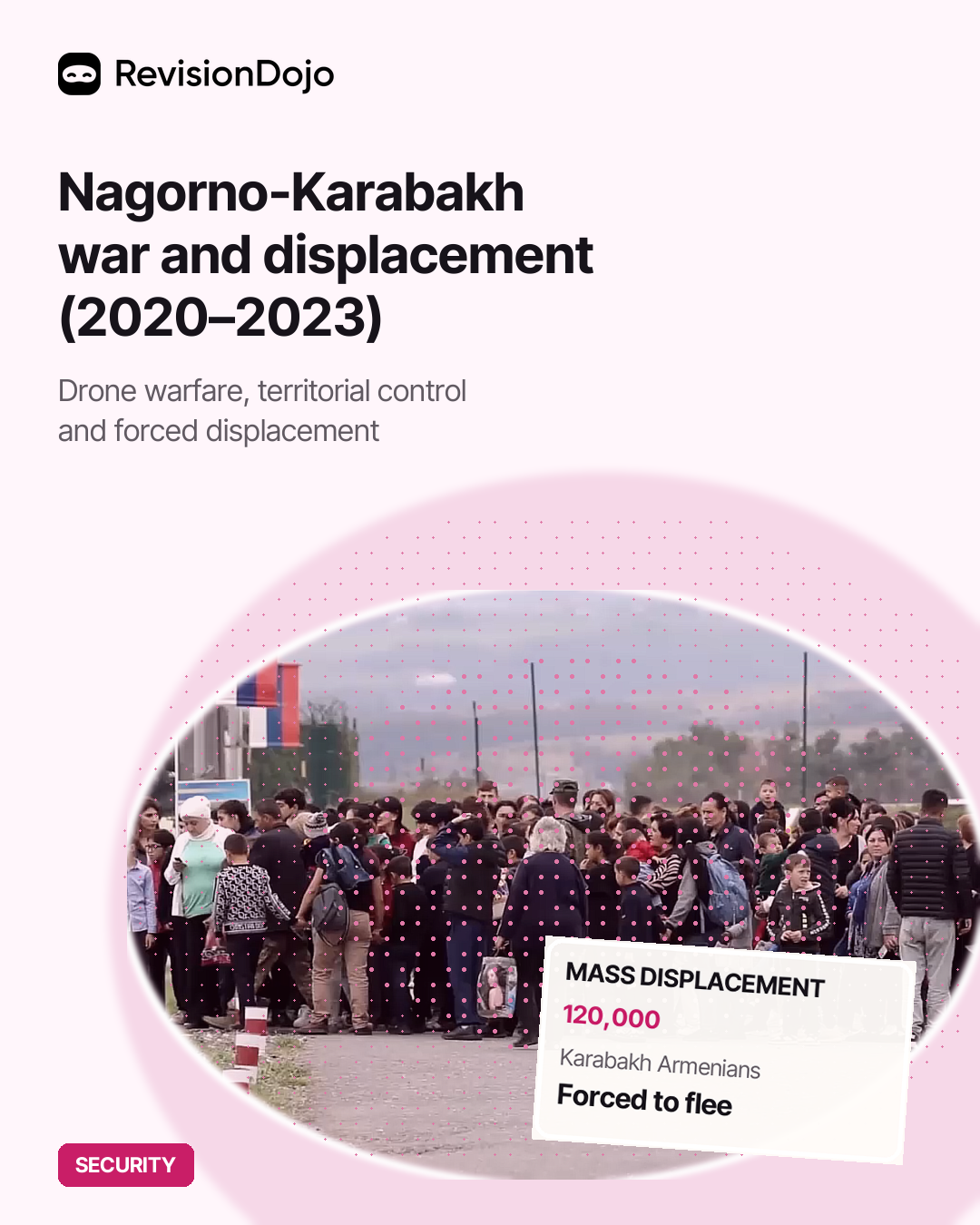
Context: The Nagorno-Karabakh conflict between Armenia and Azerbaijan culminated in two decisive military campaigns - the 44-Day War of September-November 2020 and Azerbaijan's final offensive in September 2023 - that resulted in Azerbaijan's complete recapture of the territory and the forced displacement of virtually the entire ethnic Armenian population of approximately 120,000 people. The 2020 war was significant for demonstrating the transformative impact of Turkish-supplied Bayraktar TB2 drones and Israeli-made loitering munitions on conventional warfare, reshaping military thinking g
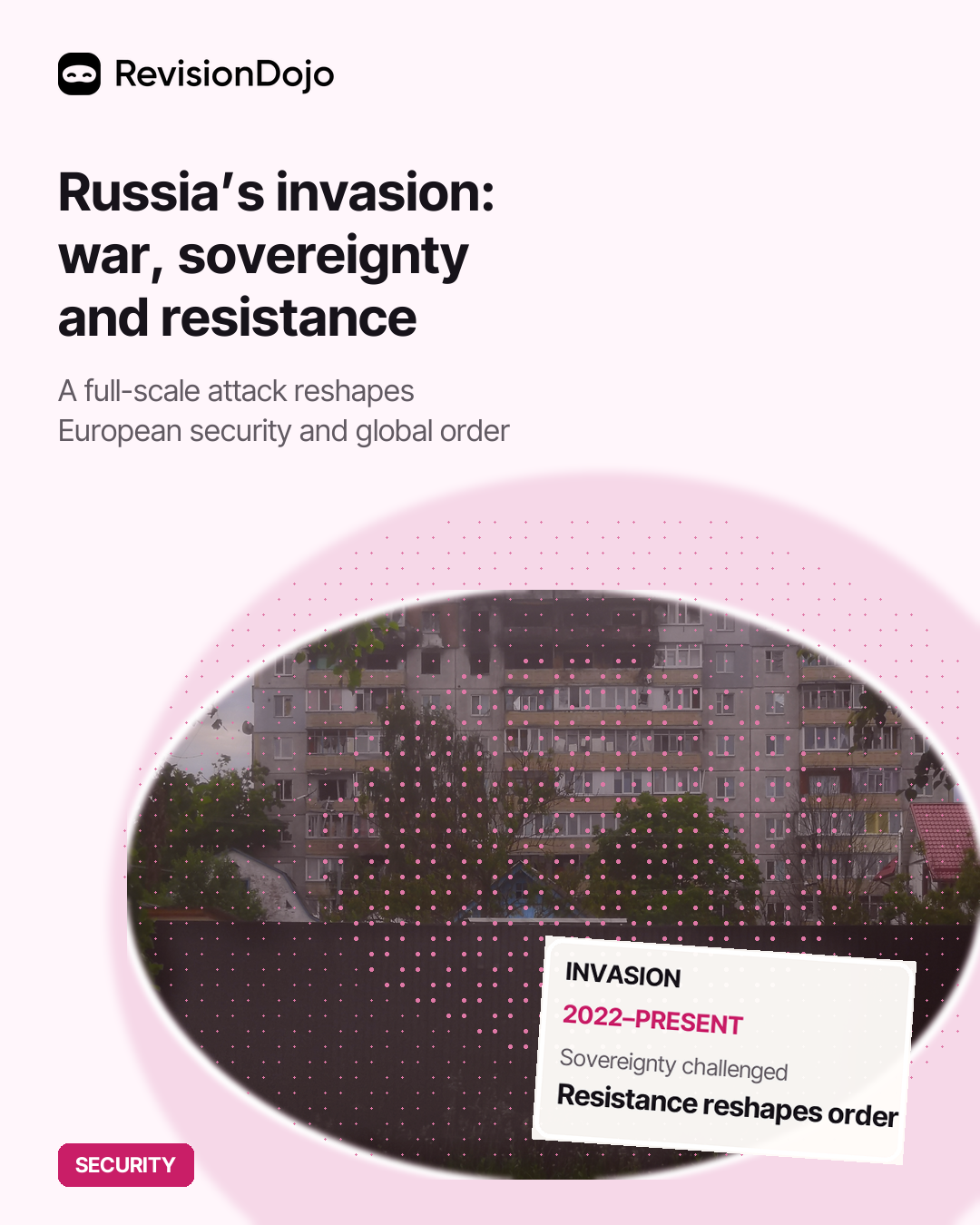
Context: On 24 February 2022, Russia launched a full-scale invasion of Ukraine, the largest military attack on a European state since World War II, following years of conflict in the Donbas region and Russia's 2014 annexation of Crimea. The invasion has produced the largest European refugee crisis since 1945, with over 8 million Ukrainians displaced internationally and millions more internally displaced. The war has become a defining confrontation between Russian imperial revisionism and the post-1945 rules-based international order , with NATO states providing unprecedented military, econo
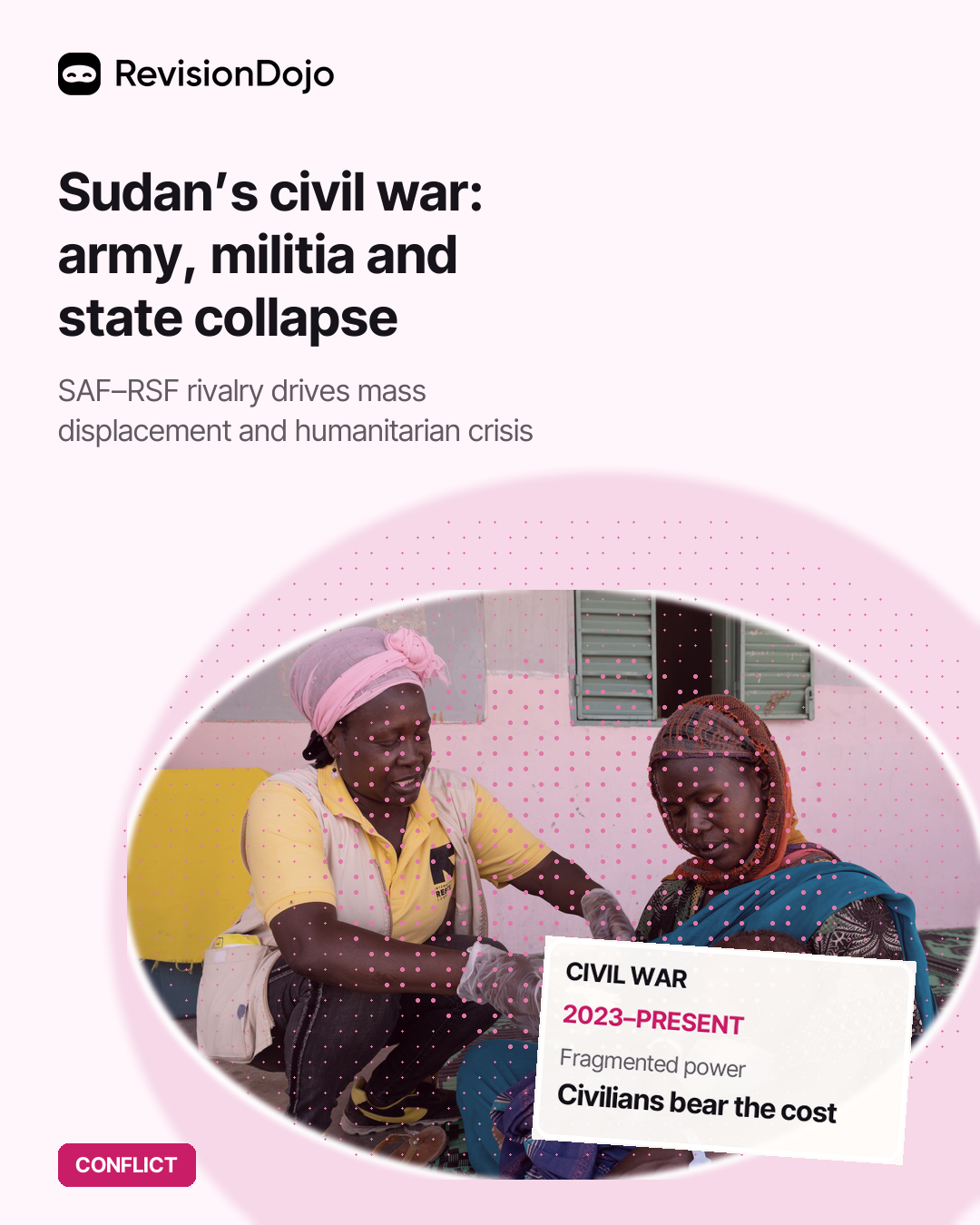
Context: In April 2023, armed conflict erupted between the Sudanese Armed Forces (SAF) led by General Abdel Fattah al-Burhan and the Rapid Support Forces (RSF) led by General Mohamed Hamdan Dagalo (known as Hemedti), two military factions that had jointly staged a coup against Sudan's civilian transitional government in October 2021. The war has produced what the UN has called the world's worst displacement crisis , with over 10 million people displaced and credible reports of ethnic cleansing, mass sexual violence, and the use of starvation as a weapon of war, particularly in Darfur. T
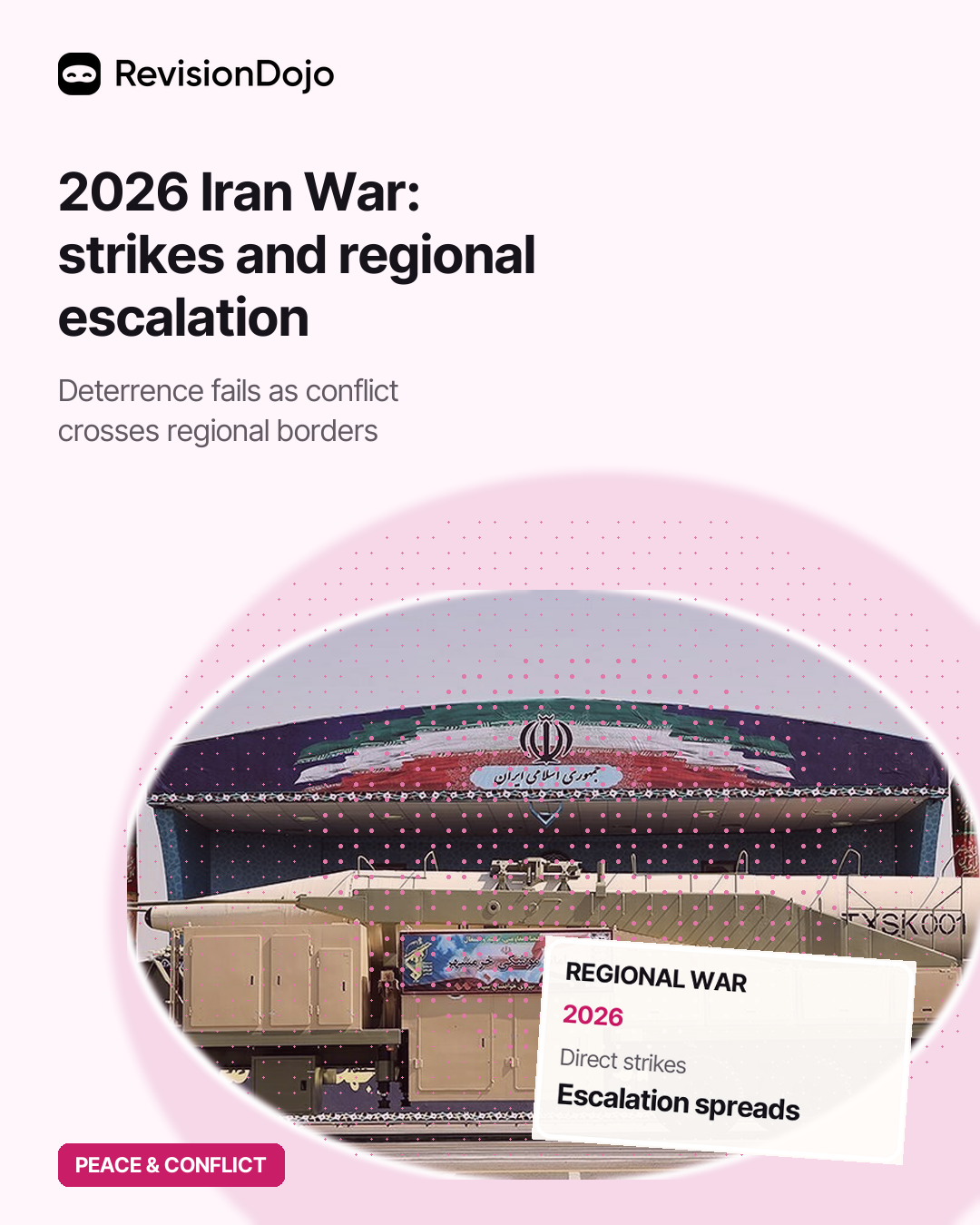
Context: On 28 February 2026, the United States and Israel launched Operation Epic Fury , a massive surprise air campaign against Iran involving nearly 900 strikes in 12 hours targeting military infrastructure, air defences, missile systems, and leadership compounds. The opening strikes killed Supreme Leader Ali Khamenei and numerous senior Iranian officials, marking the most significant targeted killing of a head of state since World War II. The war followed a period of escalating tensions including the June 2025 "Twelve-Day War" in which the US struck Iranian nuclear facilities at Fordo
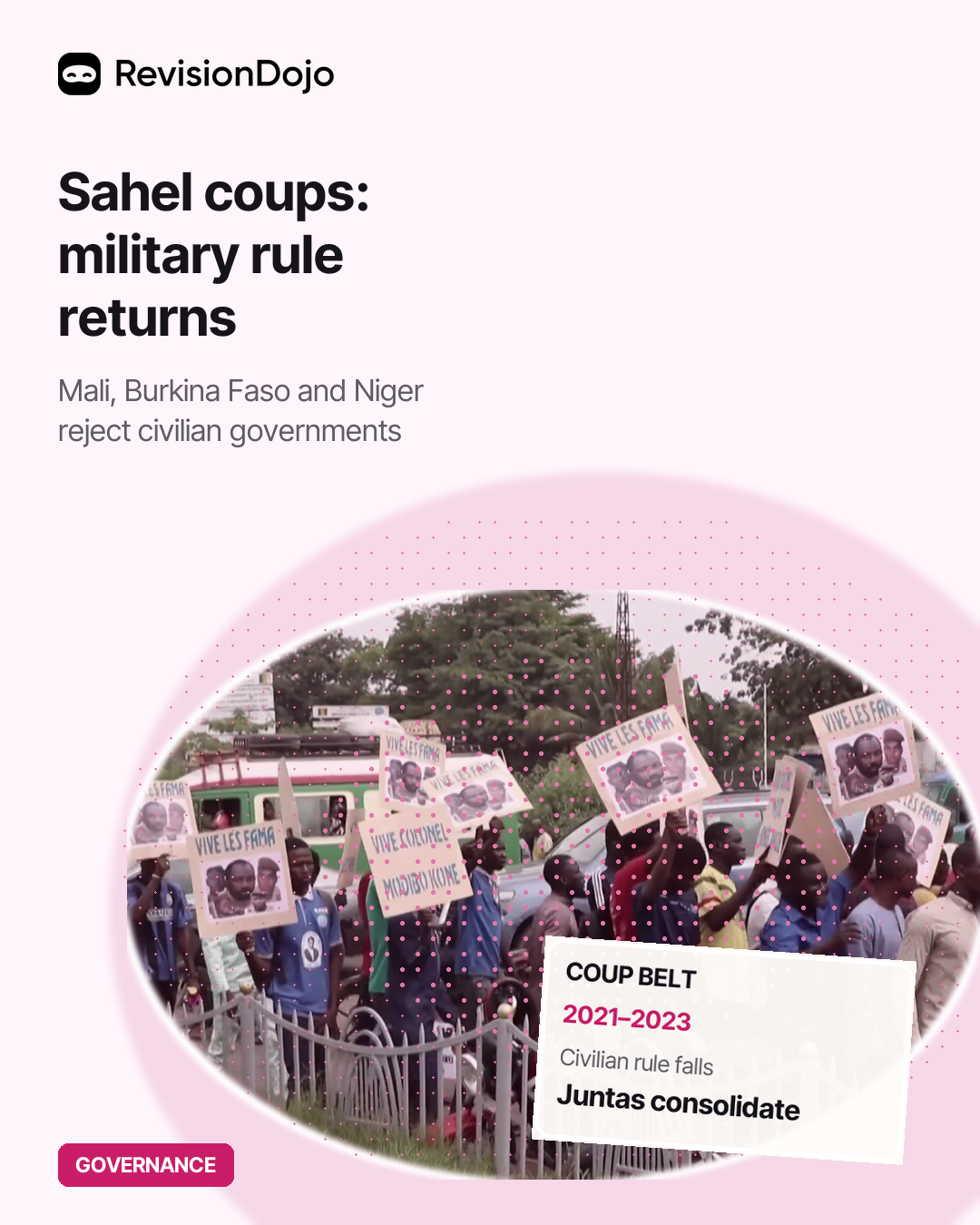
Context: Between 2020 and 2023, military officers overthrew elected governments in Mali (2020, 2021), Burkina Faso (2022), and Niger (2023) , triggering a wave of military rule across the Sahel that expelled French forces, ended the EU training mission, and invited Russian Wagner Group (Africa Corps) mercenaries, fundamentally reshaping the geopolitics of West Africa. The coups occurred against a backdrop of deteriorating security, expanding jihadist insurgencies linked to al-Qaeda (JNIM) and ISIS (ISGS), and widespread popular frustration with governments perceived as corrupt, ineffective,
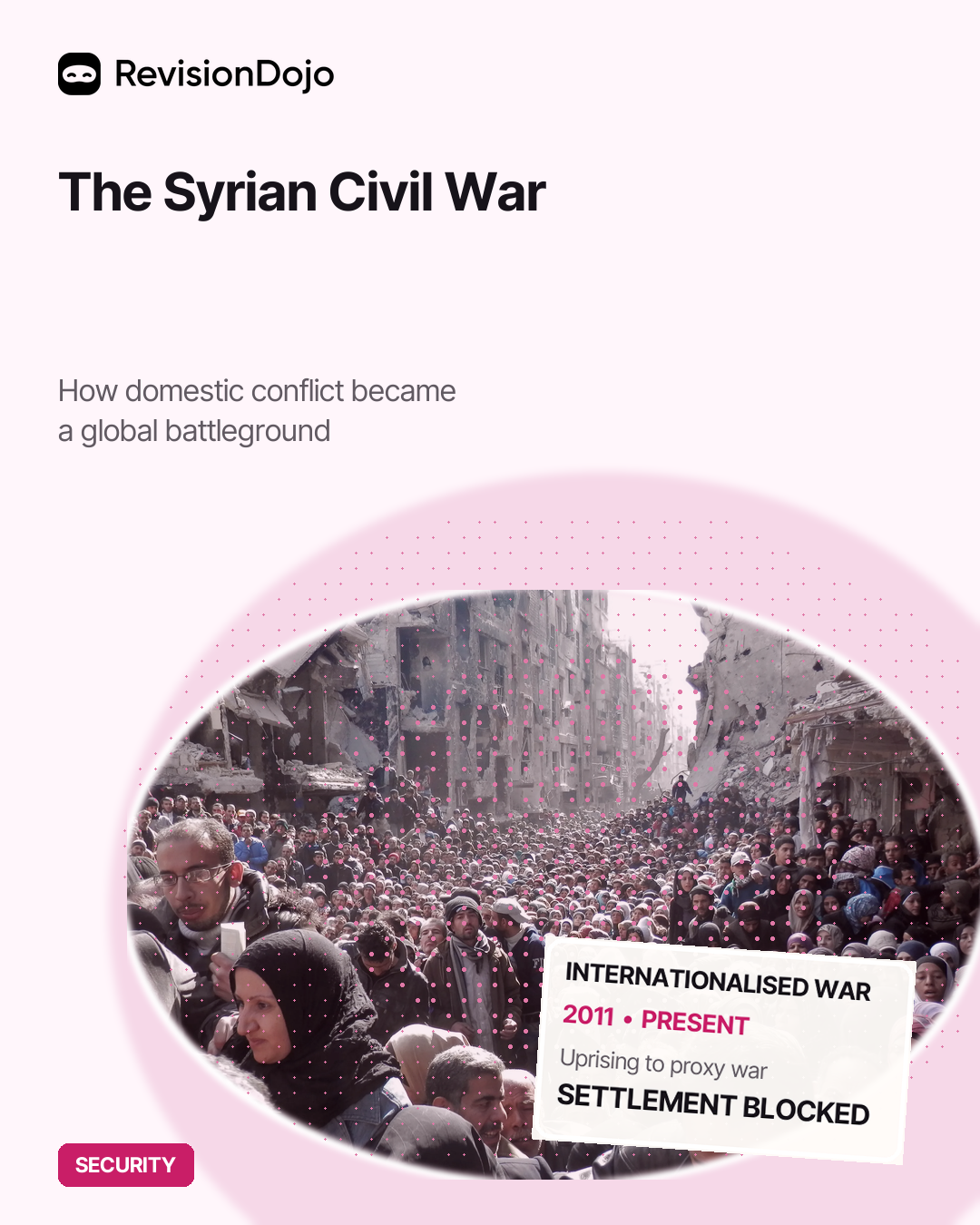
Context: The Syrian Civil War began in 2011 during the Arab Spring , when protests against the Assad government were met with violent repression. What started as a domestic uprising escalated into a multi-layered conflict involving fragmented armed opposition groups, the rise of ISIS , and extensive foreign intervention . It is a defining global politics case study because it shows how an intrastate conflict can become an internationalised war , where external support, rival interventions, and regional power competition reshape the battlefield and block settlement. Global Political
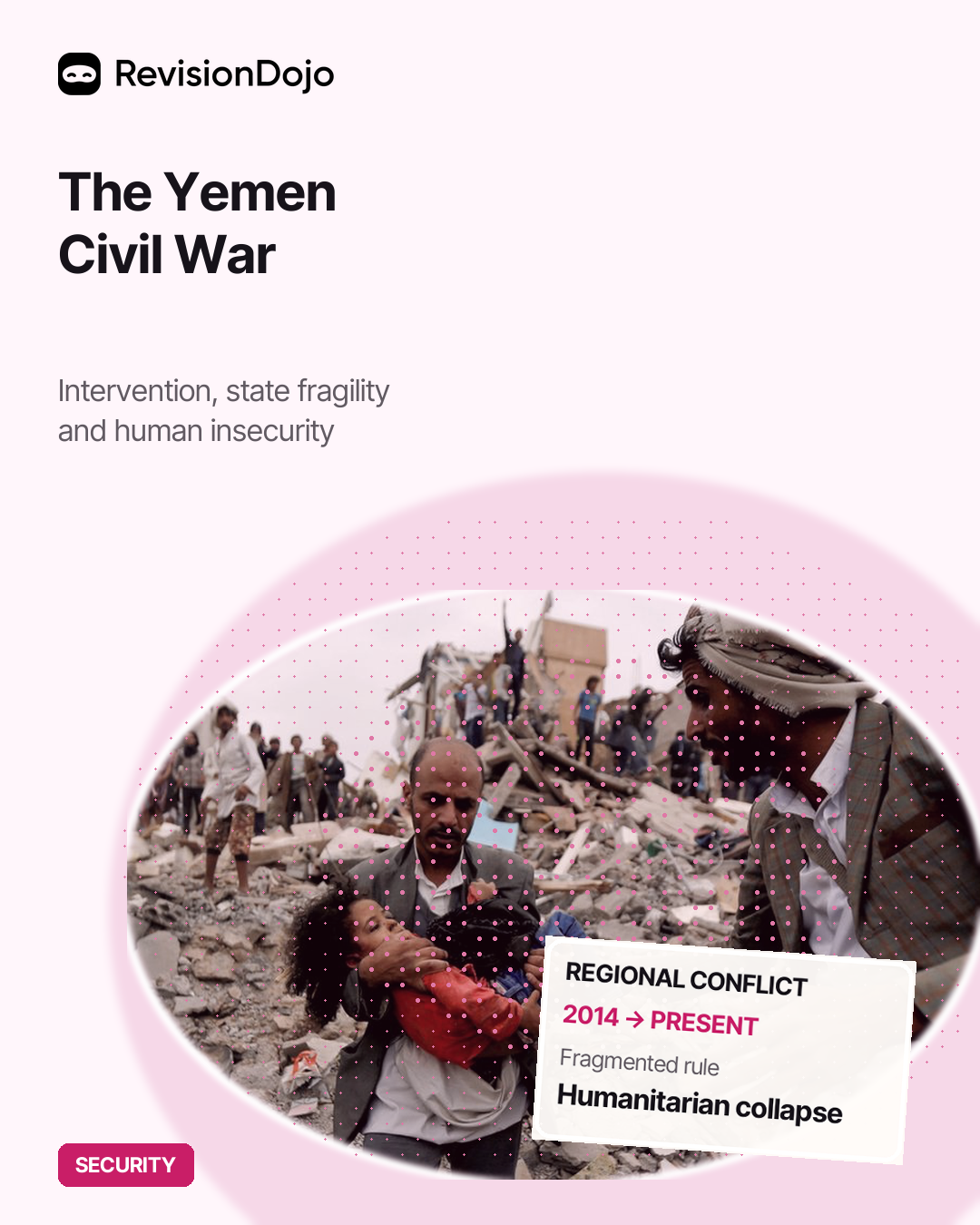
Context: The Yemen Civil War escalated after the Houthis took Sana’a in 2014 , followed by a Saudi-led coalition intervention in 2015 . It became a major global politics case study because it shows how weak institutions and fragmented governance can collapse under conflict, and how international and regional systems respond to civil war through diplomacy, aid, and security intervention. Global Political Challenge Topics: Security: prolonged conflict, regional instability, and threats to civilian safety. Poverty: economic collapse, humanitarian dependency, and breakdown of livelihoods. Heal