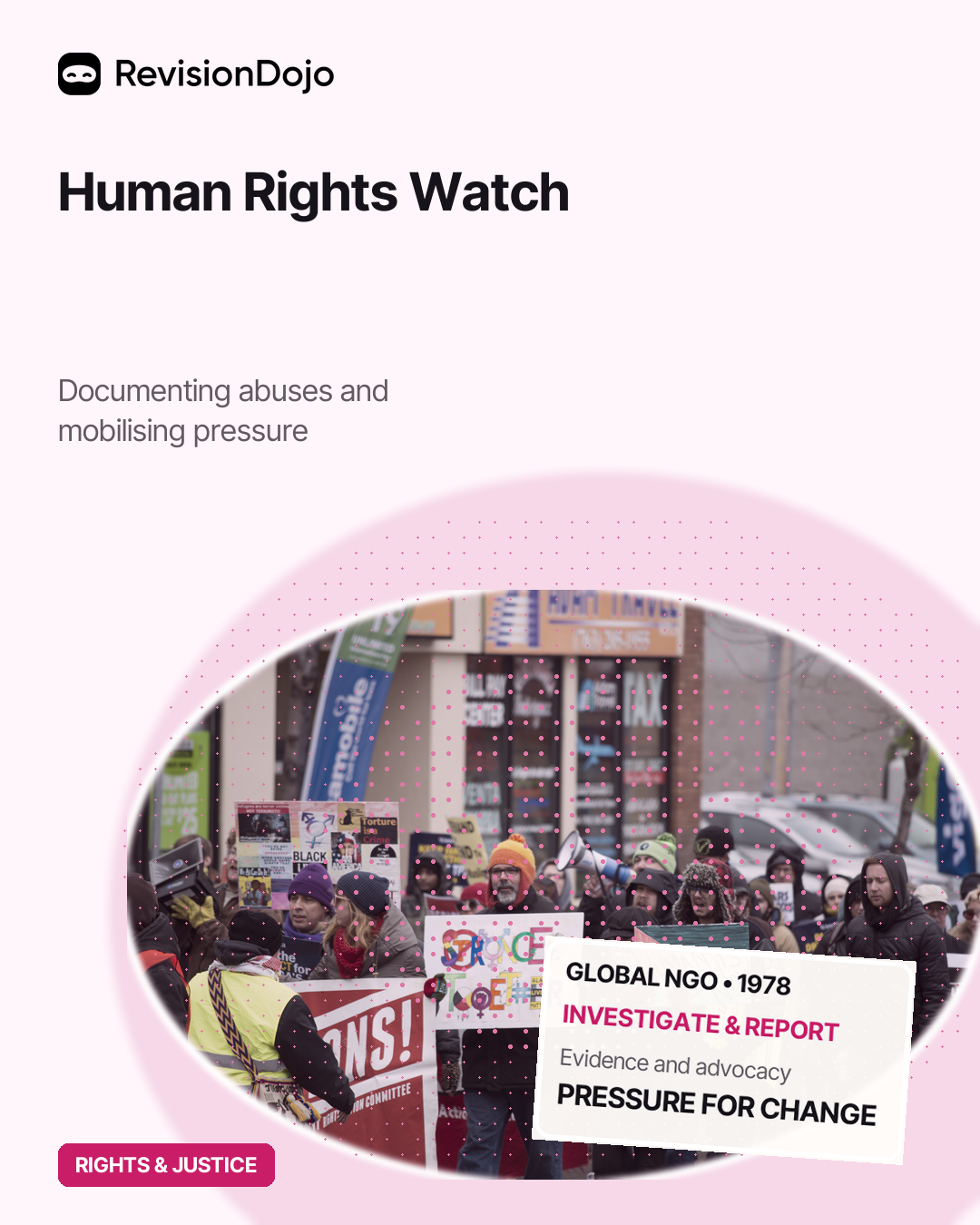
Context: Human Rights Watch (HRW), founded in 1978 as Helsinki Watch to monitor Soviet compliance with the Helsinki Accords, has grown into one of the world's leading international human rights investigation and advocacy organisations , operating in over 90 countries and producing hundreds of reports annually documenting abuses by governments, armed groups, and corporations. HRW's model combines rigorous on-the-ground investigation , detailed documentation of specific abuses, and targeted advocacy directed at governments, intergovernmental organisations, and the media, seeking to produce pol
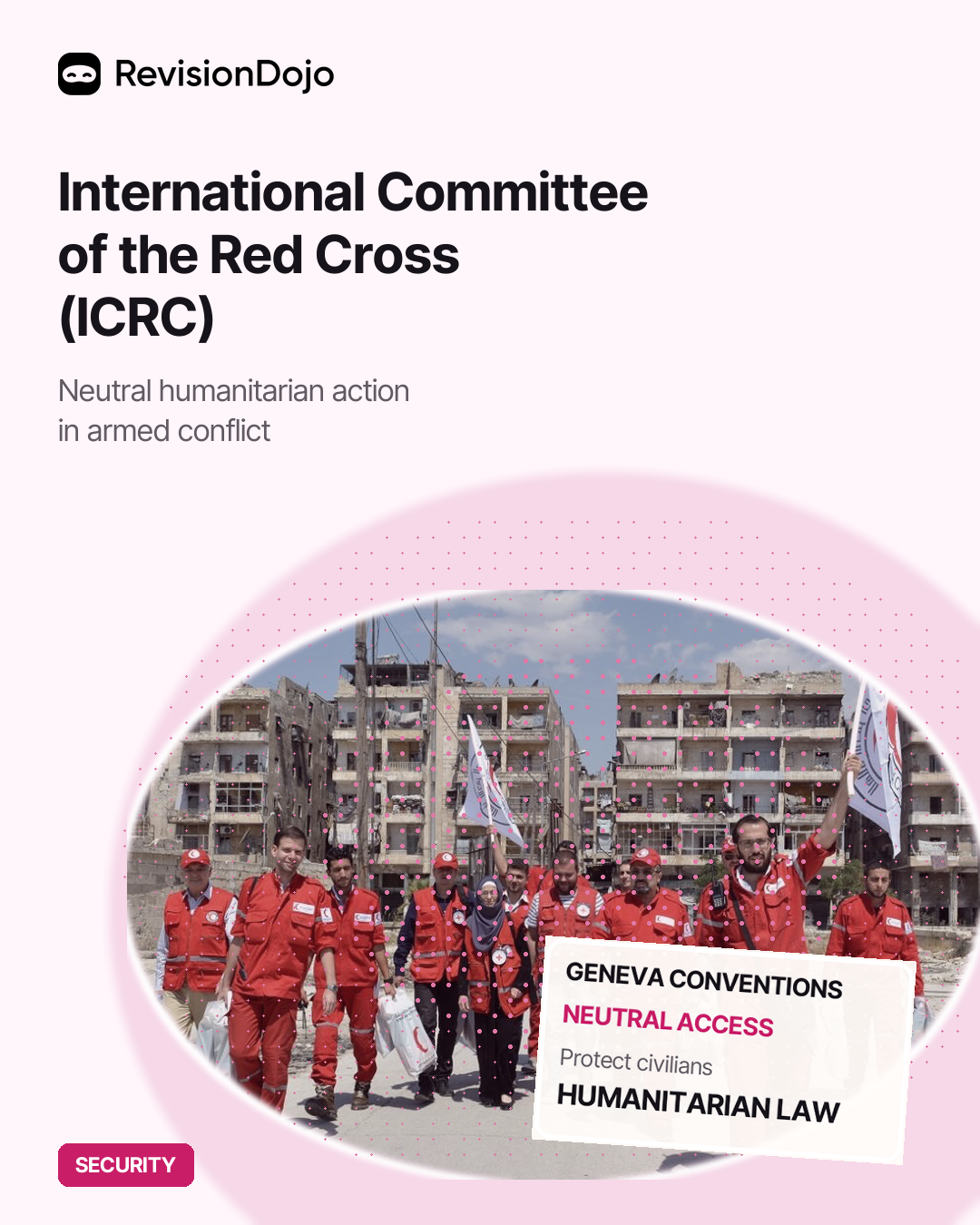
Context: The International Committee of the Red Cross (ICRC), founded in Geneva in 1863 by Henry Dunant following his experience at the Battle of Solferino, is the founding organisation of the international humanitarian system and the primary custodian of International Humanitarian Law (IHL) , including the Geneva Conventions. The ICRC operates on the principles of humanity, impartiality, neutrality, independence, voluntary service, unity, and universality , and is unique among humanitarian organisations in its treaty-based mandate to protect victims of armed conflict and to promote compli
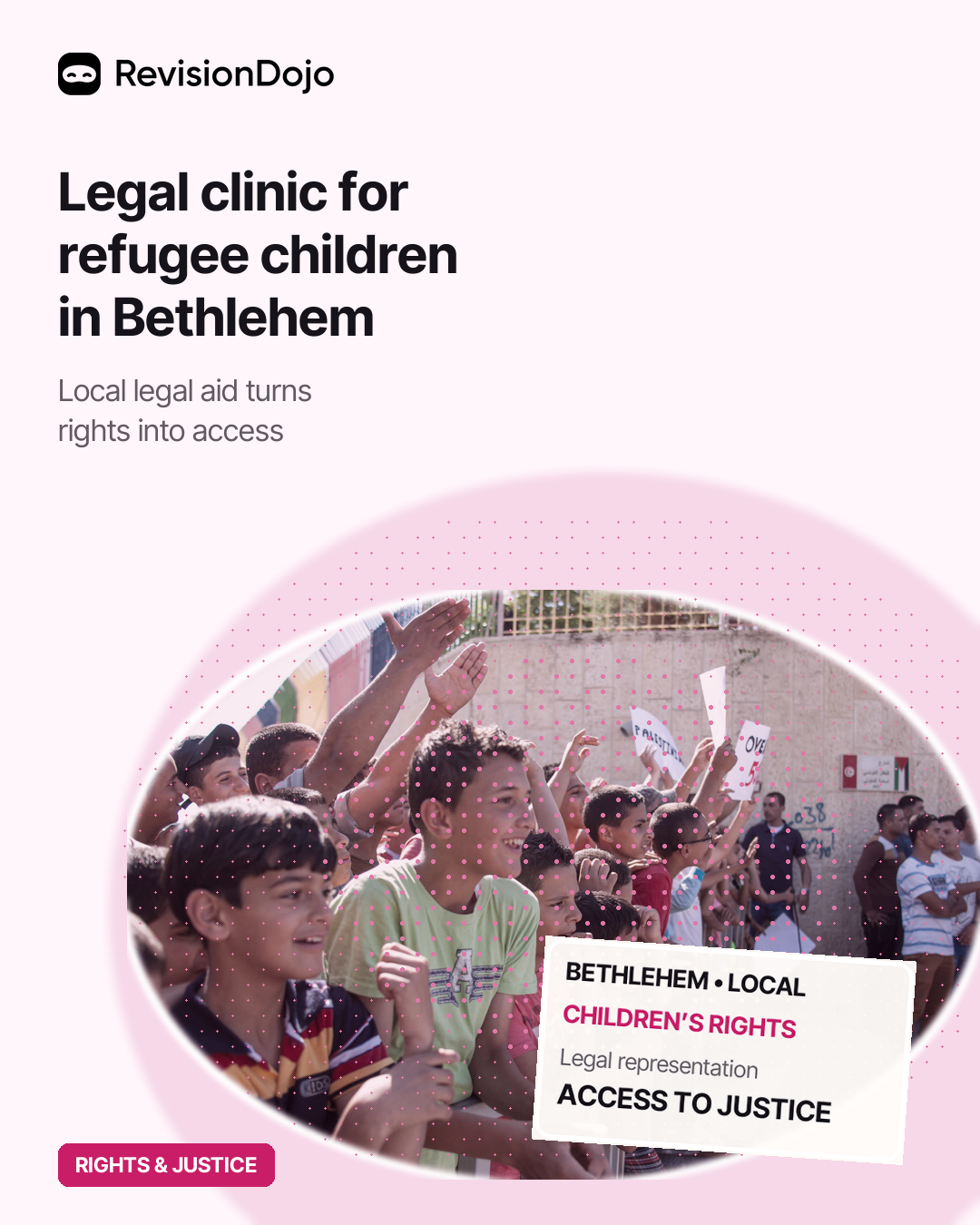
What Happened: Refugee children in Dheisheh Camp , a Palestinian refugee camp near Bethlehem in the West Bank, lacked access to legal representation and support within the Palestinian justice system, leaving them severely vulnerable when in conflict with the law. In 2014 , the Child Rights International Network (CRIN) collaborated with the local Shoruq Organisation to establish a legal clinic providing legal aid, counselling, and follow-up services for children in the camp. This became a global politics case study because it illustrates how statelessness, occupation, and refugee status
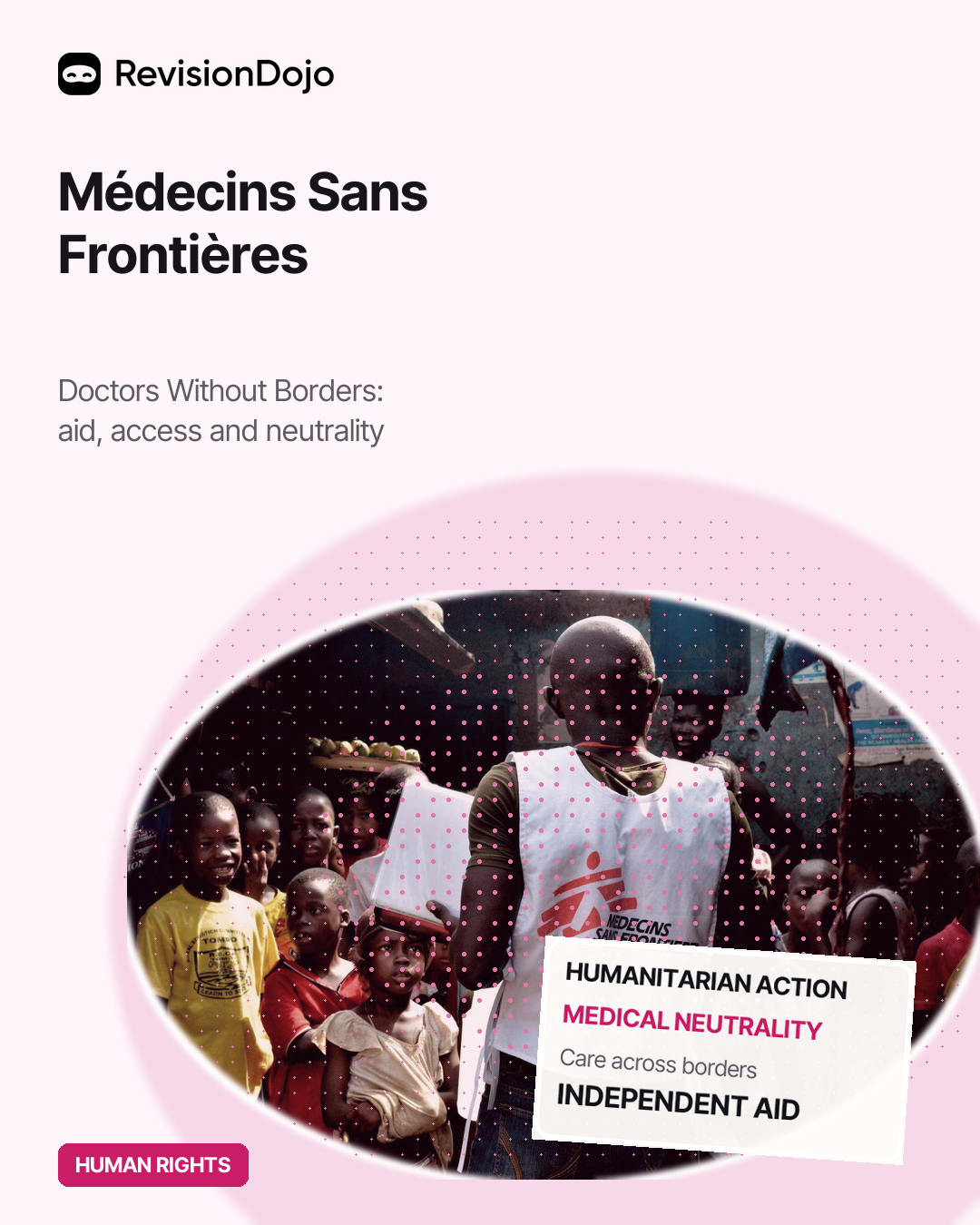
Context: Médecins Sans Frontières (MSF), known in English as Doctors Without Borders, is an international humanitarian medical organisation founded in Paris in 1971 by a group of French doctors and journalists following their experience in the Biafran war. It provides emergency medical care to people affected by conflict, disease, and disasters in over 70 countries , regardless of race, religion, or politics. MSF is defined by its commitment to témoignage (witnessing) , meaning it not only delivers medical care but publicly speaks out about the circumstances creating medical emergencies, i