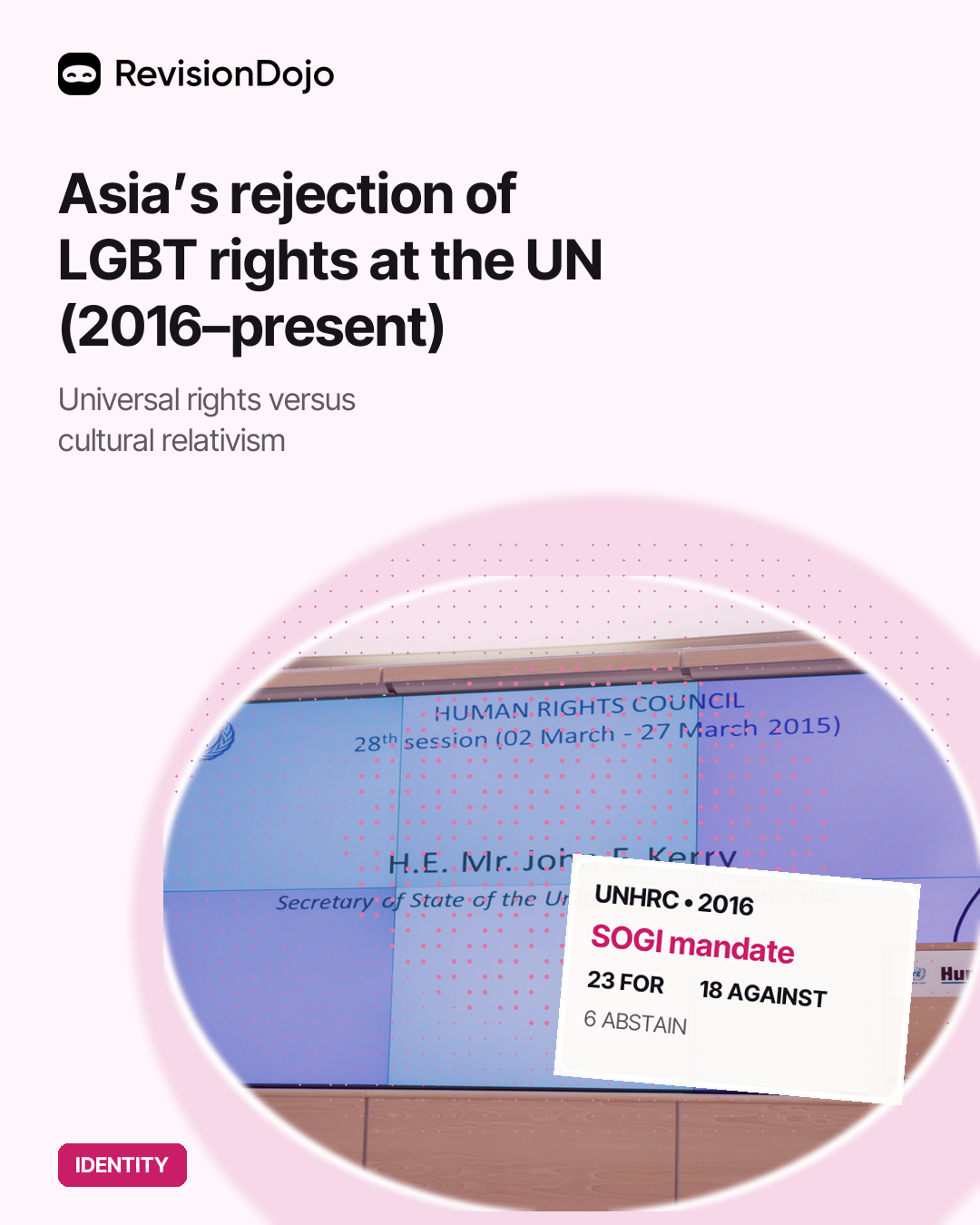
Context: From 2016 onward , a bloc of Asian and Muslim-majority states including Indonesia, Pakistan, Malaysia, and others have systematically rejected UN resolutions promoting LGBT+ rights, arguing that such resolutions conflict with local religious and cultural norms and represent an imposition of Western values on non-Western societies. These states have invoked cultural relativism to defend their domestic anti-LGBT+ laws, asserting that human rights must align with domestic moral and religious frameworks rather than being defined universally by Western-dominated international instit
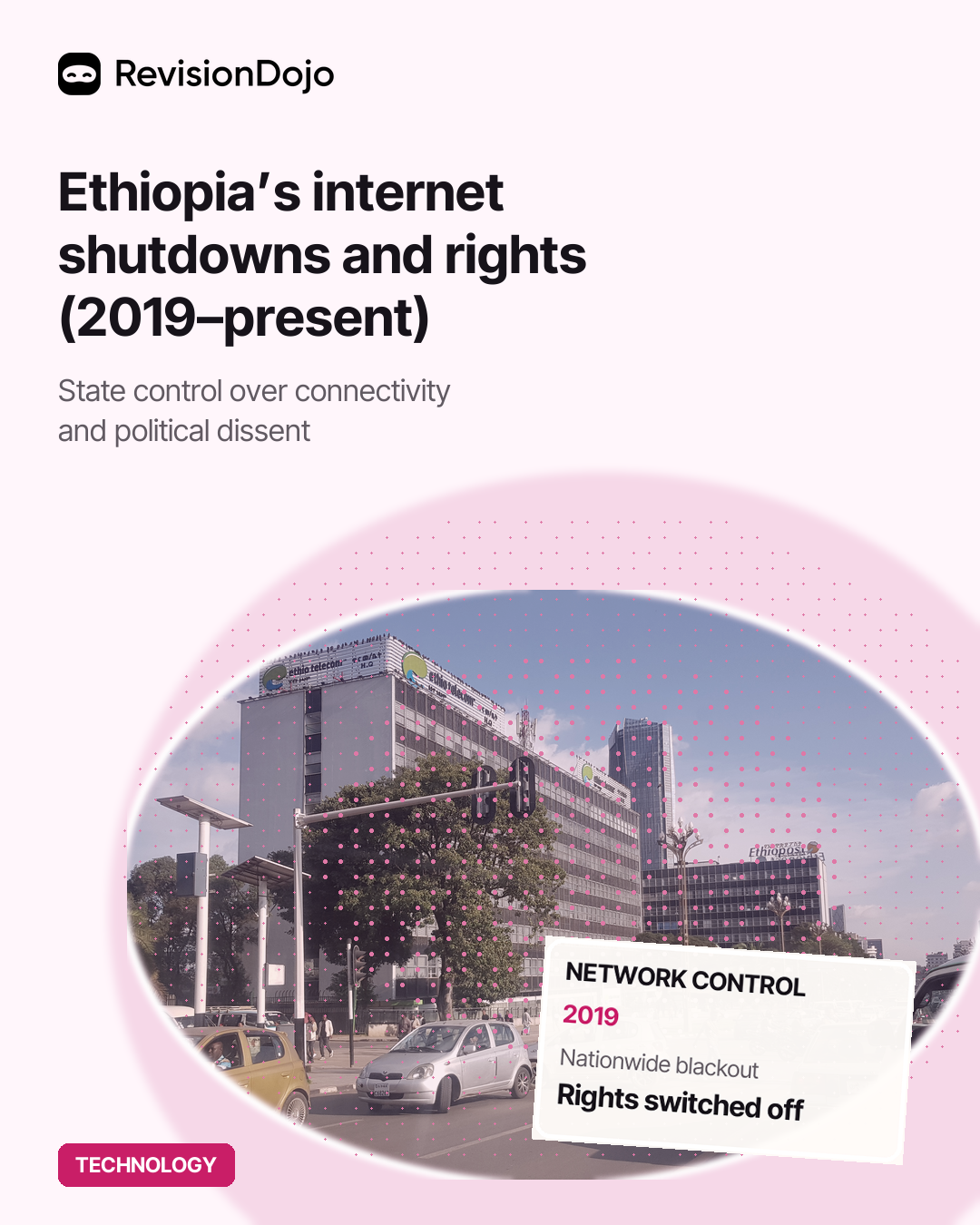
Context: Between 2019 and 2023, the Ethiopian government imposed some of the longest and most extensive internet shutdowns in the world , including a complete communications blackout in the Tigray region during the civil war (November 2020-December 2021) that cut off approximately 6 million people from the outside world for over a year. Ethiopia has also imposed nationwide shutdowns during political crises, elections, and ethnic violence , including a 2019 shutdown following a failed regional coup attempt and exam-season shutdowns in the Oromia region. The government justified these actions
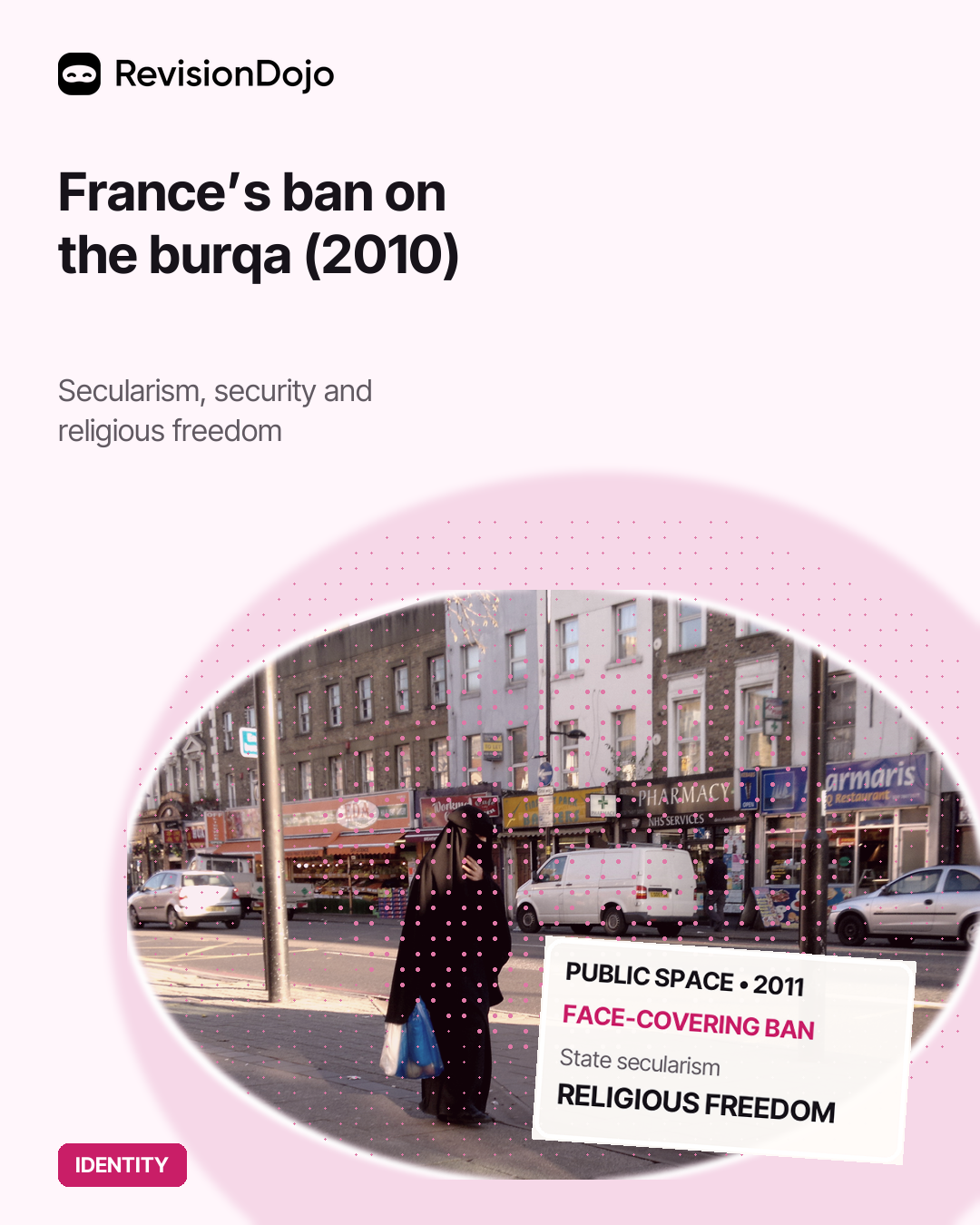
Context: In April 2010 , France became the first European country to enforce a nationwide ban on full-face veils in public spaces , implementing the law on the grounds of laicite (secularism) and gender equality, framing the ban as consistent with universal human rights principles. The UN Human Rights Committee ruled in 2018 that the ban violated women's rights to religious freedom and expression under the International Covenant on Civil and Political Rights (ICCPR), creating a direct conflict between France's domestic constitutional framework and international human rights law. This bec
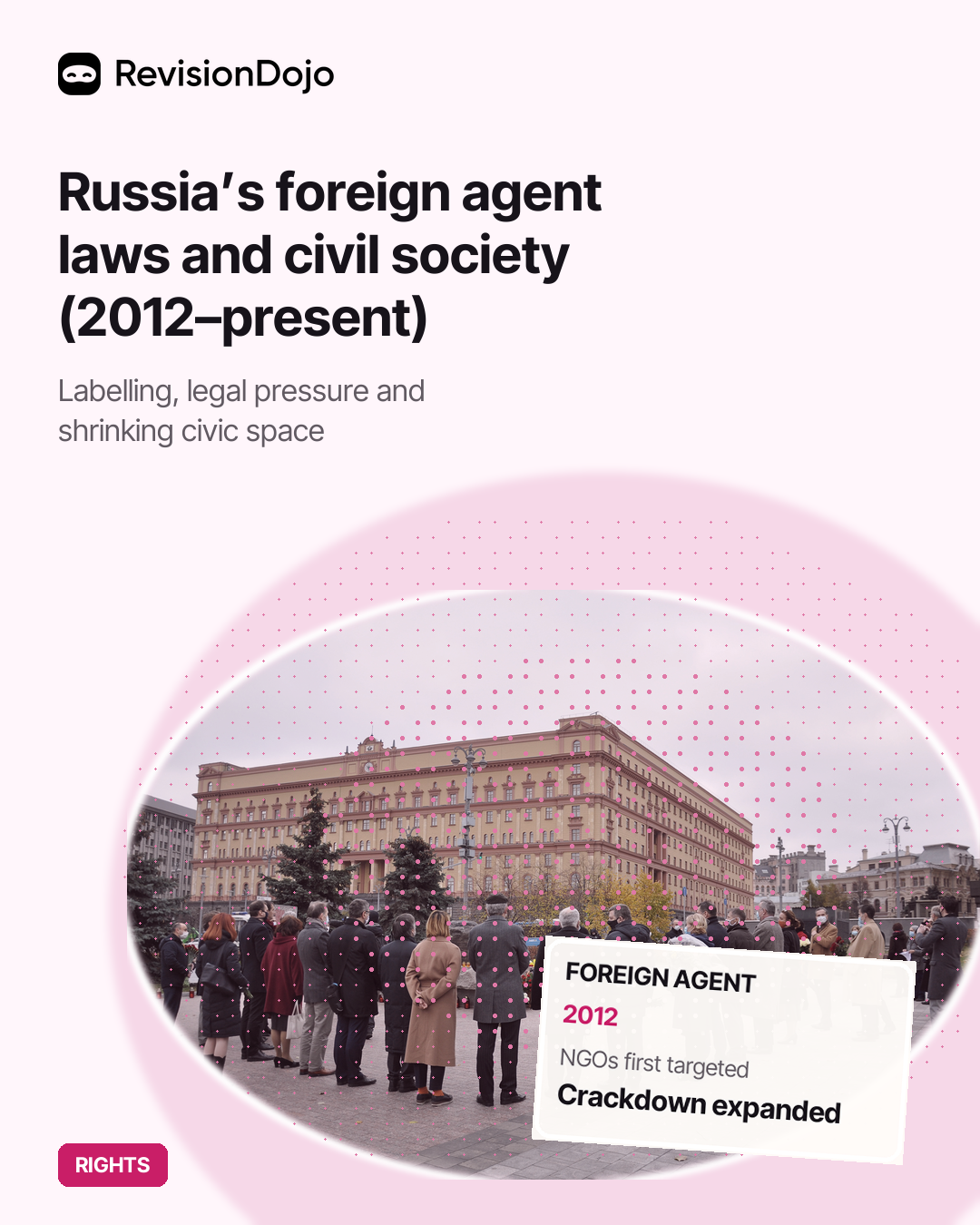
Context: Since 2012, Russia has progressively expanded its "foreign agent" legal framework from targeting NGOs receiving foreign funding to encompassing media organisations, individual journalists, activists, and ordinary citizens who engage in broadly defined "political activity." What began as a single law has become a comprehensive system for labelling, stigmatising, and ultimately destroying independent civil society. The foreign agent laws operate alongside "undesirable organisations" legislation (2015), "extremism" designations, and treason statutes to create a layered legal architec
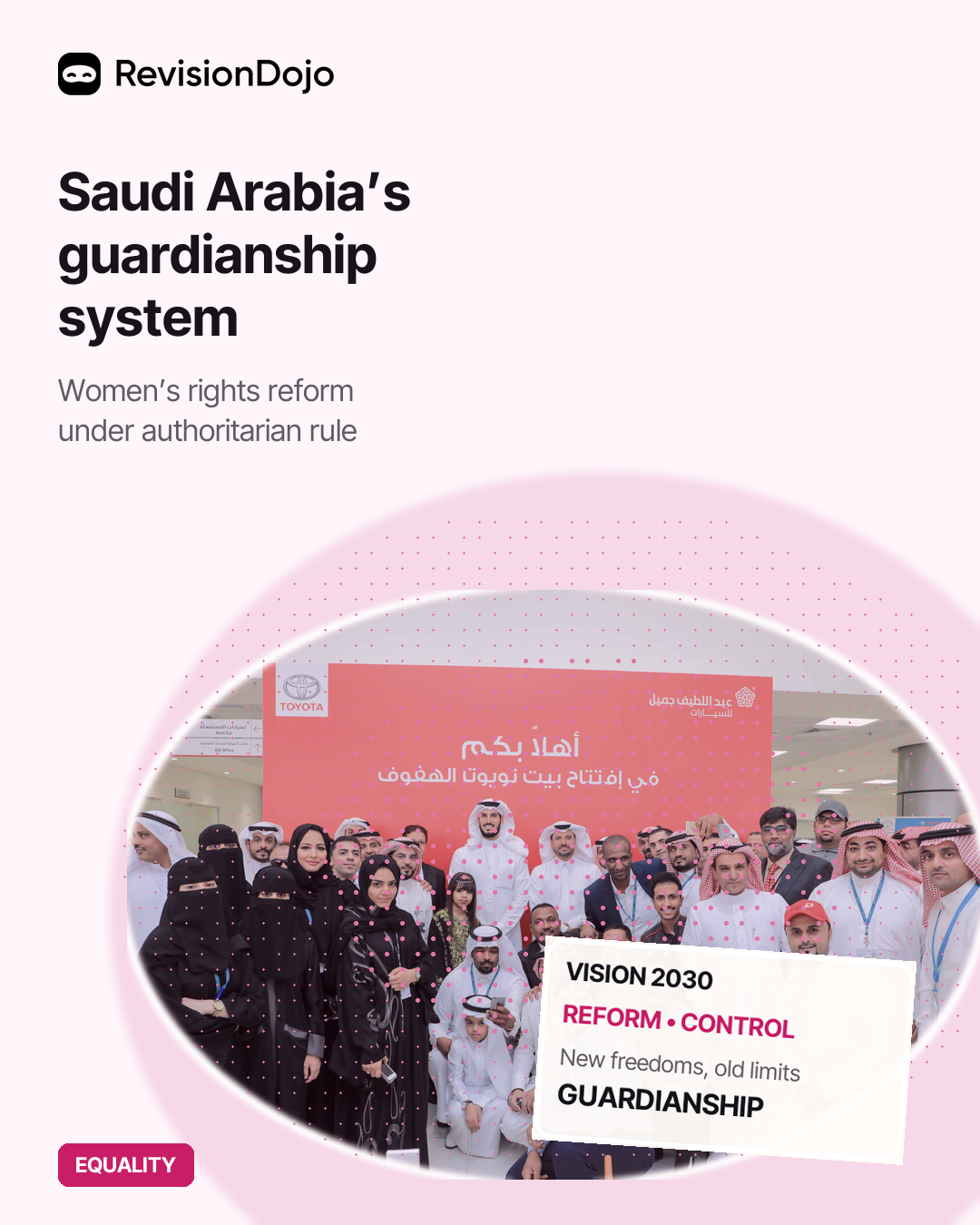
Context: Since 2017, Saudi Arabia's Vision 2030 reform programme under Crown Prince Mohammed bin Salman (MBS) has produced dramatic changes in women's rights: women gained the right to drive (2018), travel without male guardian permission (2019), and access employment in previously restricted sectors. These reforms were celebrated internationally as evidence of modernisation. However, the male guardianship (mahram) system remains partially intact : women still require male guardian approval for marriage, and informal enforcement of guardianship continues through social pressure, police prac
Context: In 2015, Austrian privacy activist Max Schrems challenged the legality of transatlantic data transfers before the Court of Justice of the European Union (CJEU). The resulting Schrems I ruling invalidated the EU-US Safe Harbour framework , and the 2020 Schrems II ruling struck down its successor, the Privacy Shield, on the grounds that US mass surveillance programmes violated EU citizens' fundamental right to privacy under the Charter of Fundamental Rights. These rulings exposed a fundamental clash between two democratic allies' conceptions of privacy as a human right : the EU treats
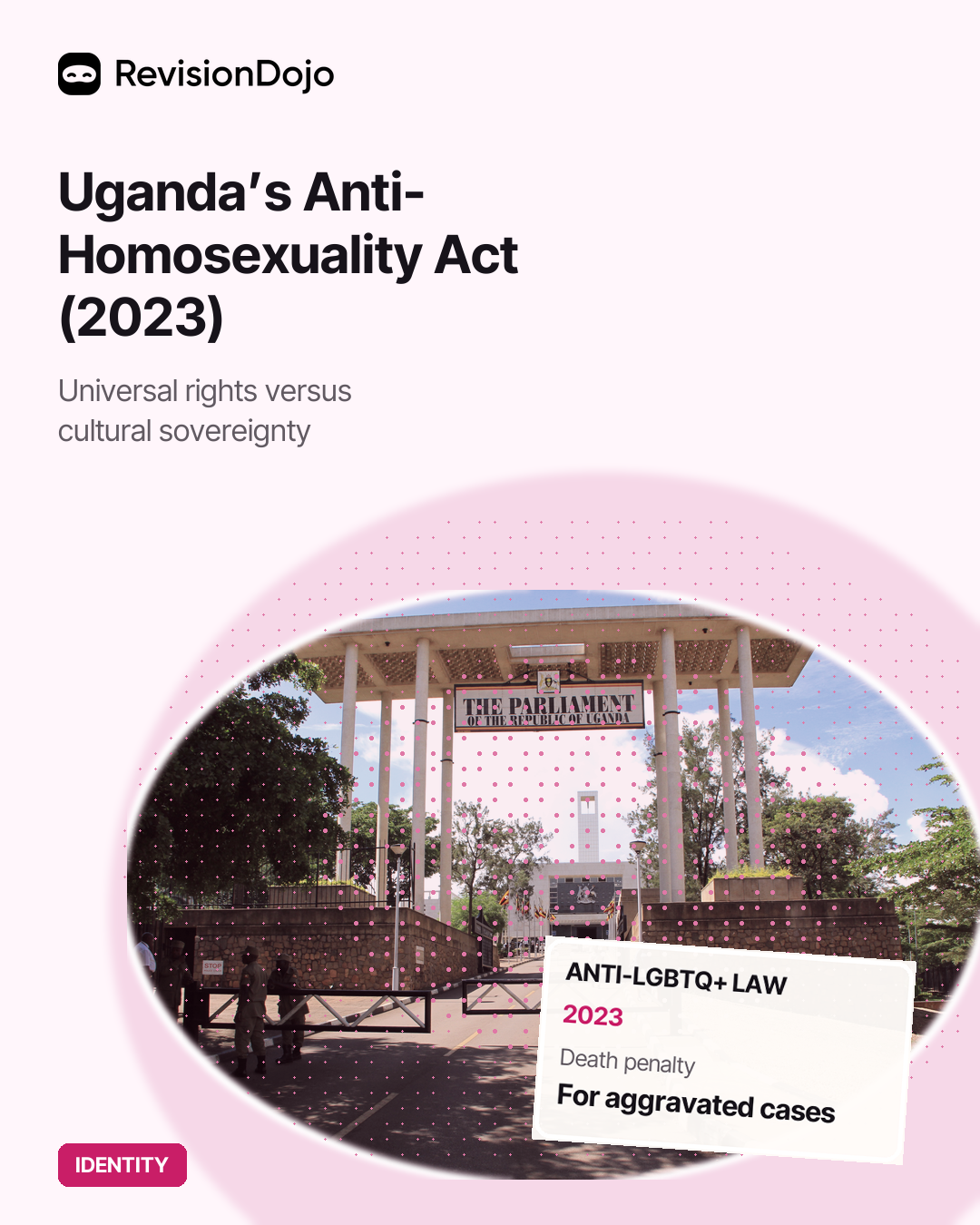
Context: In May 2023, Uganda enacted the Anti-Homosexuality Act (AHA) , imposing the death penalty for "aggravated homosexuality" and up to 20 years' imprisonment for "promoting" homosexuality. The law, signed by President Yoweri Museveni, was among the harshest anti-LGBTQ+ legislation in the world and provoked immediate international condemnation from Western governments, the United Nations, and human rights organisations. The Act reignited a fundamental debate in global politics: whether human rights are universal norms that override cultural and religious traditions, or whether they repre