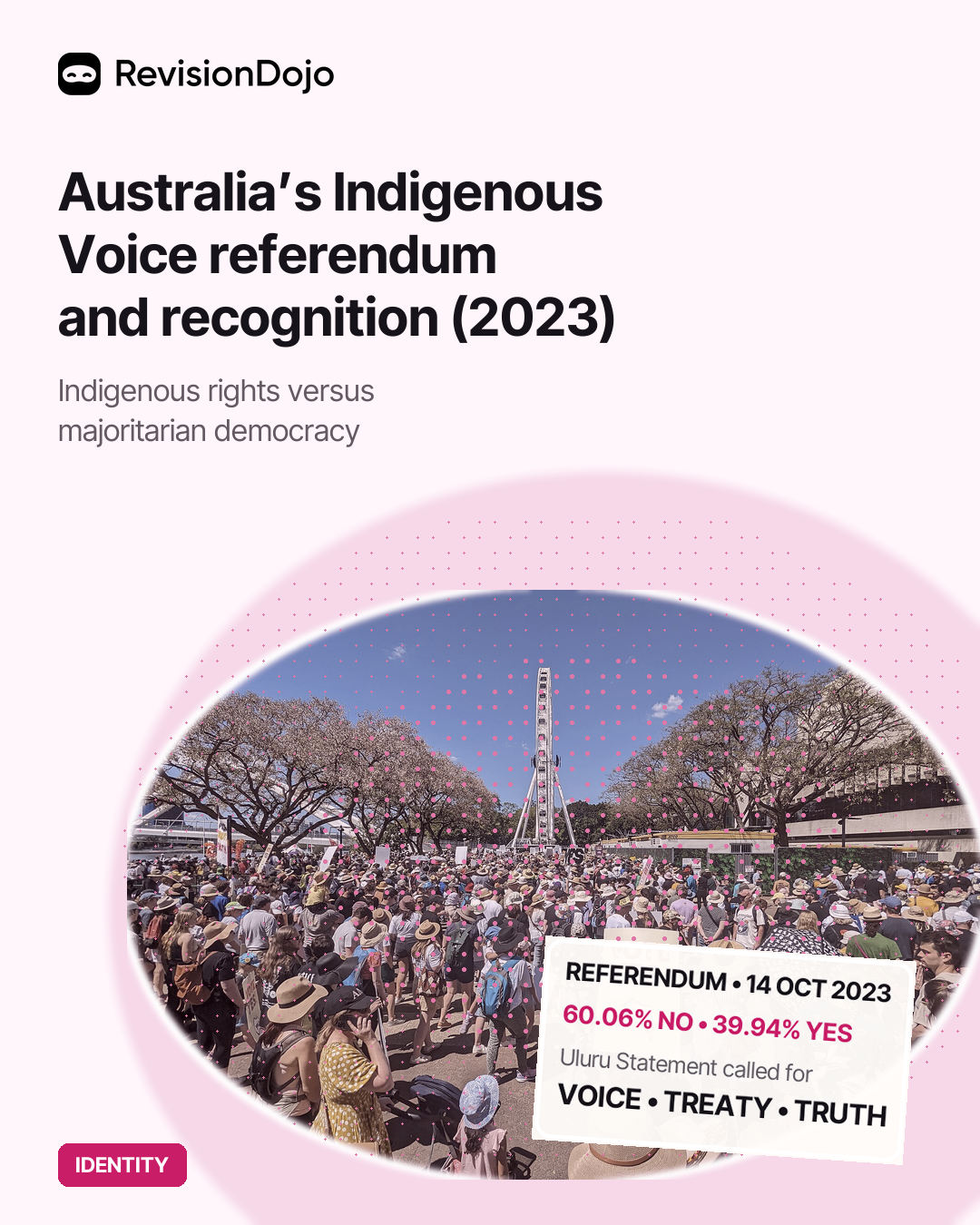
Context: On 14 October 2023, Australians voted in a national referendum on whether to amend the Constitution to establish an Aboriginal and Torres Strait Islander Voice to Parliament - a permanent advisory body that would make representations to Parliament and government on matters affecting Indigenous peoples. The proposal was defeated decisively, with 60.06% voting No and only 39.94% voting Yes , and only the Australian Capital Territory returning a majority Yes vote. No state achieved the required majority. The referendum was the culmination of the Uluru Statement from the Heart (2017)
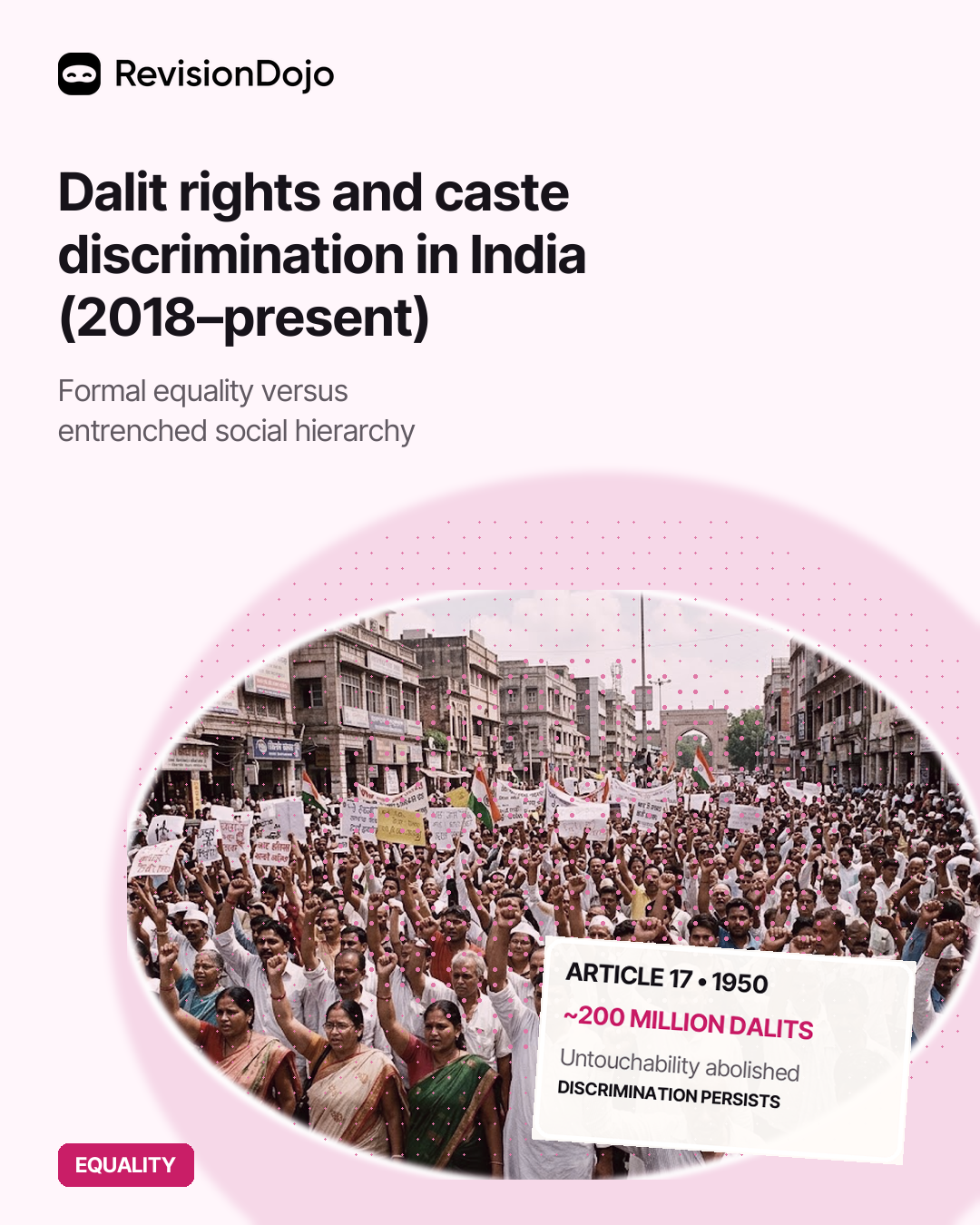
Context: India's approximately 200 million Dalits - formerly called "untouchables" - face one of the world's most entrenched systems of social discrimination despite constitutional protections since 1950. Caste-based discrimination permeates employment, housing, marriage, education, and access to justice, maintained through social norms, economic structures, and institutional bias even though "untouchability" was formally abolished by Article 17 of the Indian Constitution. The Bhima Koregaon violence of January 2018 - when Dalits commemorating a historic military victory were attacked by Hin
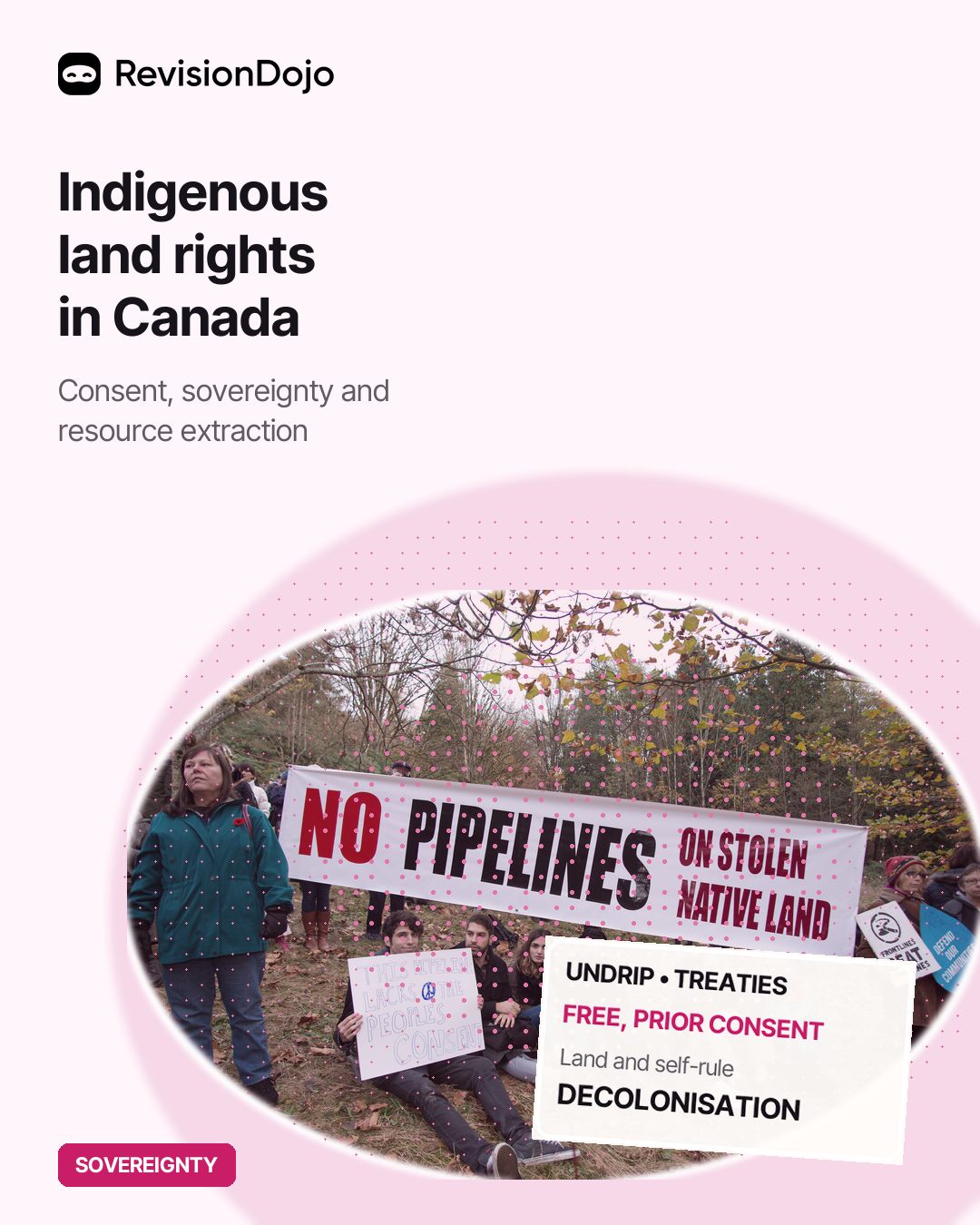
Context: Indigenous peoples in Canada have long asserted collective rights to land, self-determination, and cultural survival , rooted in their status as the original inhabitants of the territory and in treaties signed with the British Crown and later the Canadian state. These rights frequently conflict with individual property rights and economic development projects including pipelines, mines, and hydroelectric projects, creating legal and political battles that go to the heart of how Canada reconciles colonial history with contemporary rights frameworks. This became a global politics cas
Context: Sharia ("the correct path") is derived from the Qur'an and the Hadith (sayings and practices of the Prophet Mohammed), providing a comprehensive ethical and legal framework that guides personal religious practice, family law, commercial transactions, and in some contexts criminal justice and political governance. Interpretations of Sharia vary enormously across Islamic legal schools, scholars, and national contexts, with some arguing it clashes with international human rights norms in areas including gender equality, religious freedom, and criminal punishment, while others argue
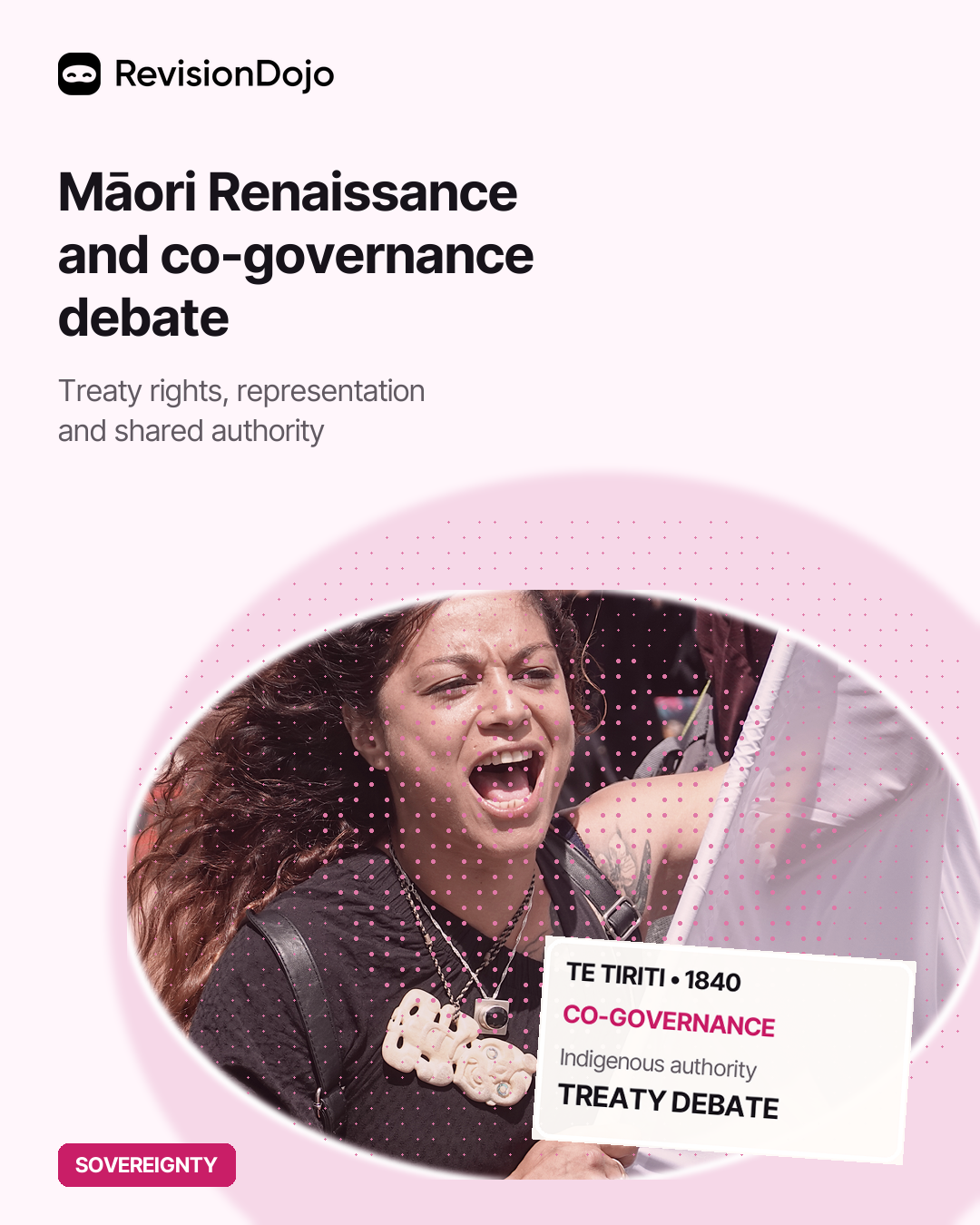
Context: New Zealand's approximately 900,000 Maori - about 17% of the population - have experienced a remarkable cultural and political renaissance since the 1970s , transforming from a marginalised indigenous minority into a significant political force with formal governance roles. The Treaty of Waitangi (1840), signed between Maori chiefs and the British Crown, has become the constitutional foundation for Maori rights claims, with the Waitangi Tribunal processing over 2,500 claims and facilitating settlements worth over NZ$2.5 billion. The co-governance debate erupted in 2023-2024 when the
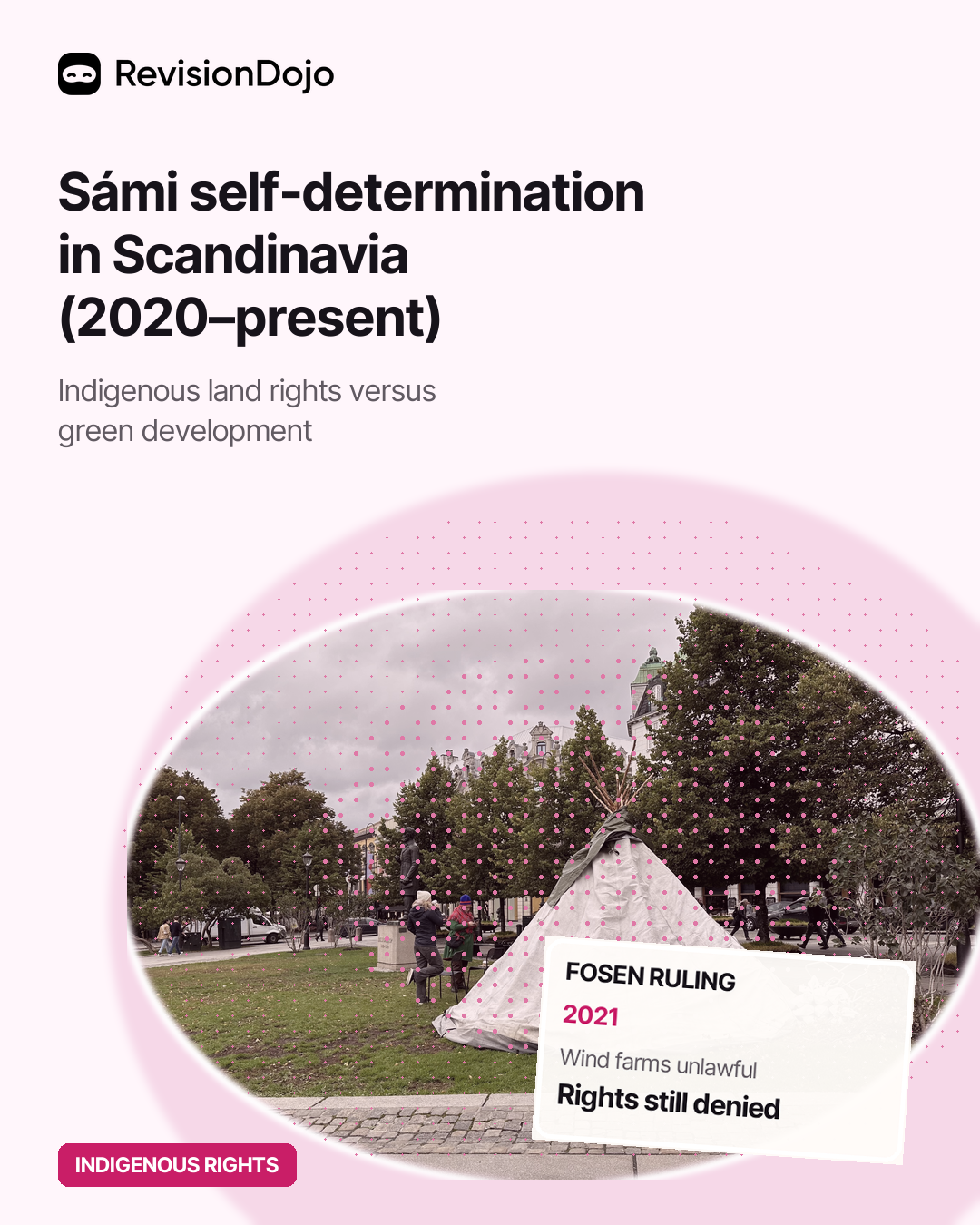
Context: The Sami people - numbering approximately 80,000 to 100,000 across Norway, Sweden, Finland, and Russia - are the only officially recognised indigenous people in the European Union and European Economic Area . For centuries, their culture, language, and traditional livelihoods - particularly reindeer herding - have been suppressed by Nordic states through forced assimilation policies, land dispossession, and cultural erasure. The conflict between Sami rights and Nordic energy policy came to a head in 2021 when the Norwegian Supreme Court ruled that wind turbines built at Fosen in cen