Practice 9.2 Transport in the phloem of plants with authentic IB Biology exam questions for both SL and HL students. This question bank mirrors Paper 1A, 1B, 2 structure, covering key topics like cell biology, genetics, and ecology. Get instant solutions, detailed explanations, and build exam confidence with questions in the style of IB examiners.
Paper
Level
Question 1
HLPaper 2
Plants have developed efficient methods for transport and for synthesis of foods.
1.[4]
Compare and contrast between the xylem and phloem of plants.
2.[7]
Explain how the light-independent reactions of photosynthesis rely on the light-dependent reactions.
3.[4]
Outline how the properties of water make it an ideal transport medium in plants.
Question 2
HLPaper 1A
In the cross-sectional diagram of a dicotolydenous root below, which letter indicates the location of cambium?
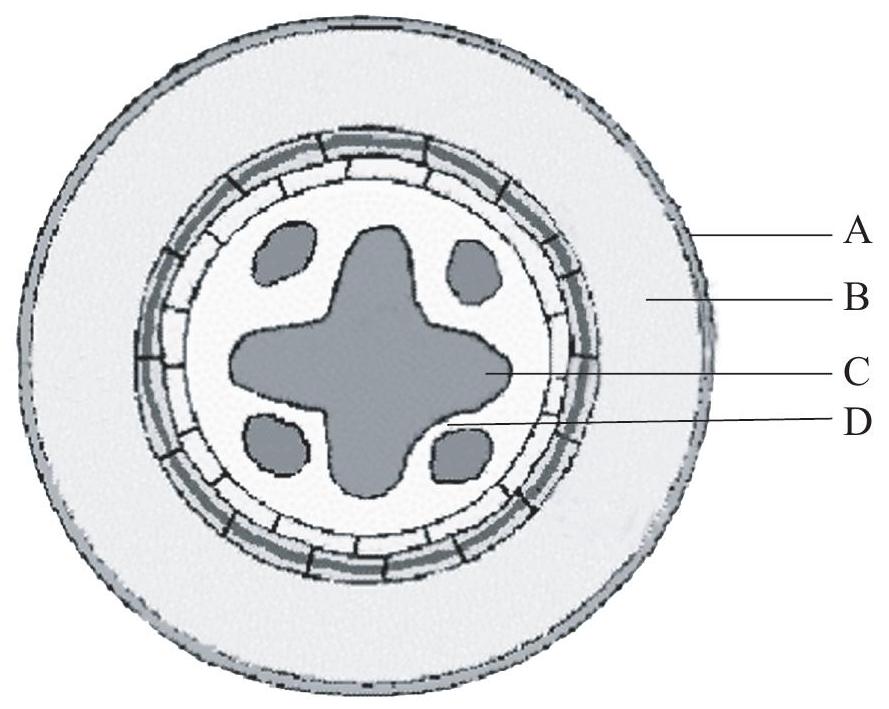
[Source: Biology Department, University of Arkansas at Little Rock (2004),
Biology 2402 - Introduction to Botany Cross Section of a Typical Dicot Root, www.ualr.edu/~botany/root_diagram.gif]

Question 3
HLPaper 1A
Which is a function of sucrose in plants?
Question 4
HLPaper 1A
The diagram shows the longitudinal section of phloem tissue at a plant source.
Companion cells Sieve tube elements
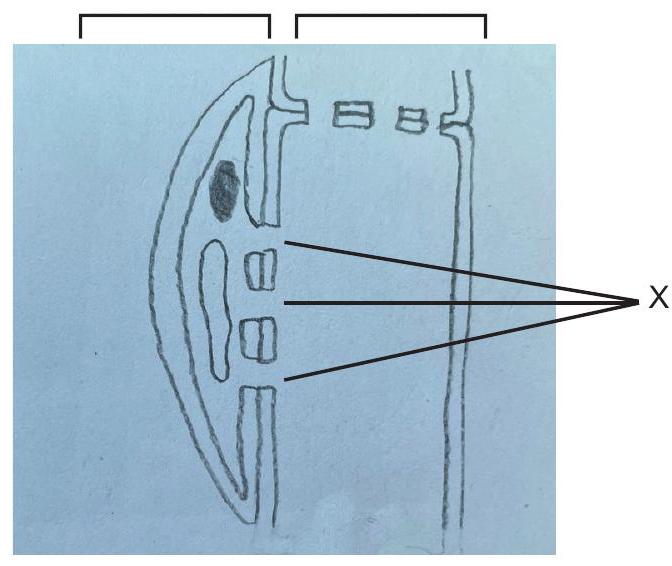
What is a function of the structures labelled X?
Question 5
HLPaper 1A
The diagrams represent cross sections of the stem and root of a plant.
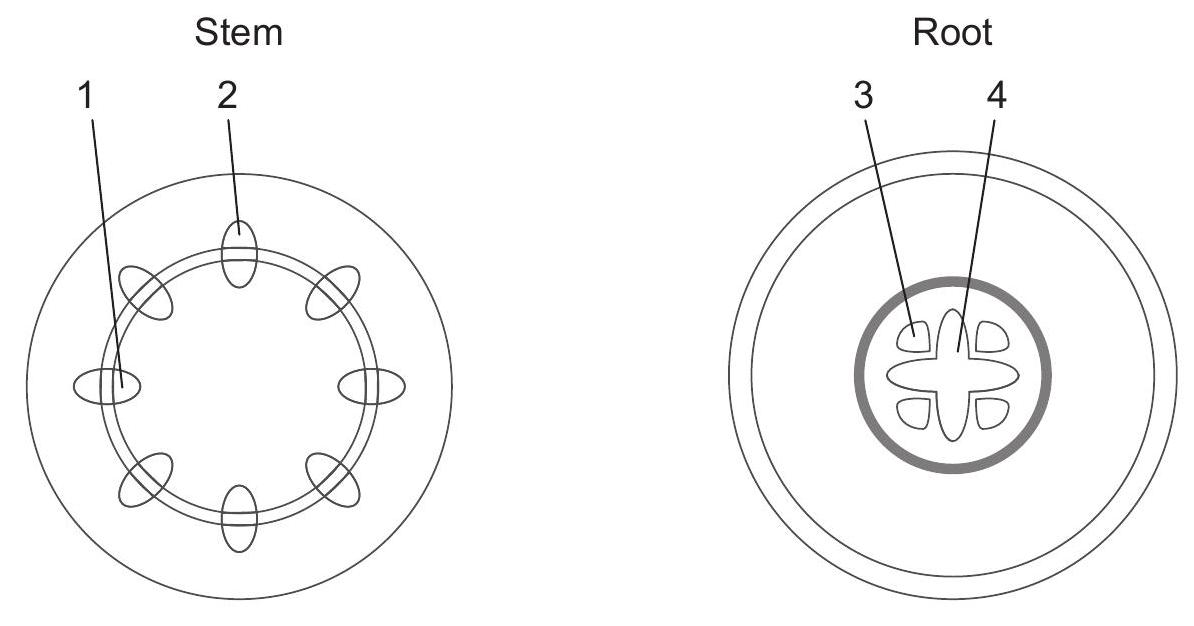
Which tissues transport water in the stem and the root?
| Stem | Root |
|---|---|
| 1 | 3 |
| 2 | 3 |
| 1 | 4 |
| 2 | 4 |
Question 6
HLPaper 1A
What could be used in a technique for measuring flow rates in phloem?
I. Potometers II. Aphid stylets III.
Question 7
HLPaper 2
1.[4]
Draw a labelled diagram of the internal structure of a seed.
2.[7]
Explain the process of water uptake and transport by plants.
Question 8
HLPaper 1A
How do water molecules enter root cells?
Question 9
HLPaper 1A
Which abiotic factors affect transpiration in plants?